

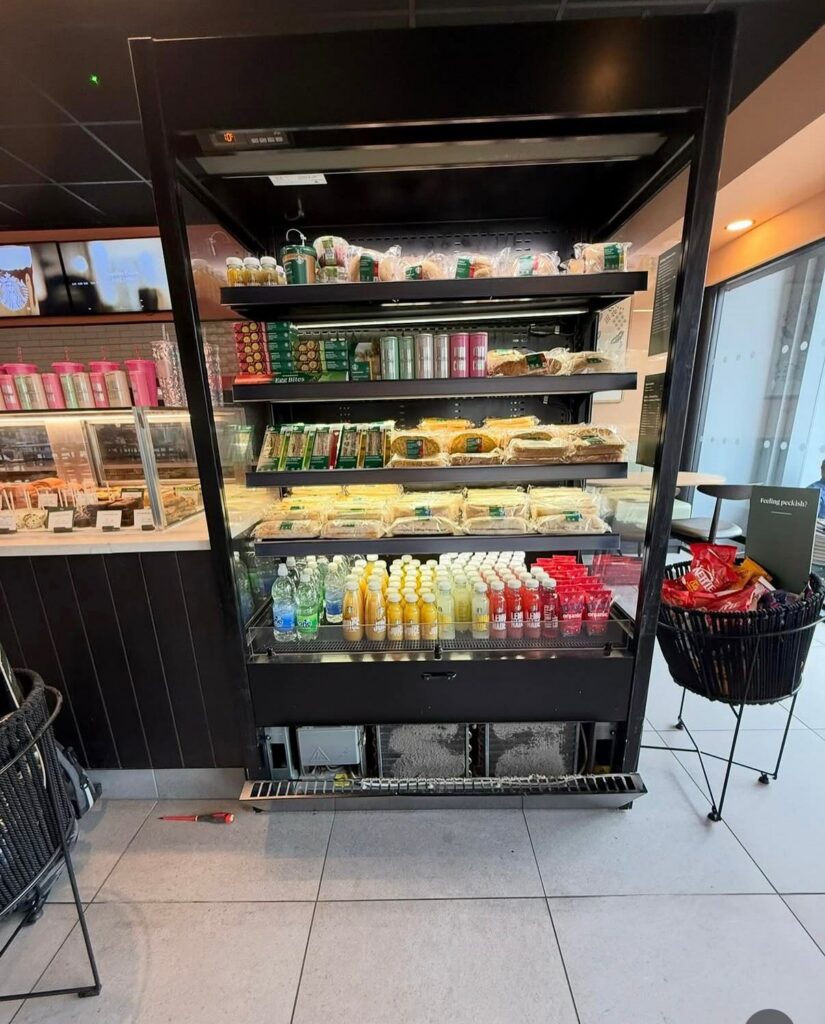
A commercial refrigerator that freezes food can create waste, affect product quality and make daily work harder. If bottles are cracking, vegetables are turning icy or food is sticking to shelves, the cabinet is not holding the correct temperature.
There may be a simple setting problem, but freezing can also point to a faulty thermostat, blocked airflow, a damaged door seal or a wider refrigeration fault.
This guide explains why is my commercial refrigerator freezing, what you can check safely and when to call a refrigeration engineer. If you need help quickly, Birmingham Refrigeration & Air Conditioning provides commercial refrigeration repairs, servicing and emergency support across Birmingham and nearby areas.
Why Is My Commercial Refrigerator Freezing?
The most common causes include:
- The temperature control is set too low
- The thermostat is faulty
- Cold air cannot circulate properly
- The evaporator fan has failed
- The door seal is damaged
- Food is blocking an air vent
- The defrost system is not working
- A refrigeration component is overcooling the cabinet
- A sensor or electronic controller is giving the wrong reading
A commercial refrigerator should keep food cold without freezing products that need chilled storage. The correct temperature depends on the equipment and the type of food stored, so always follow the manufacturer’s instructions and your food safety procedures.
Freezing often begins in one area of the cabinet. You may notice ice near the rear wall, close to an air outlet or around the evaporator cover. This pattern can help an engineer find the cause.
Is Ice Inside a Commercial Refrigerator Normal?
A small amount of moisture can appear inside a refrigerator, especially when warm air enters during busy periods. Light condensation can be normal.
Thick ice, frozen food or a solid layer of frost is not normal for a standard commercial refrigerator. It can restrict airflow and make the system run for longer. As the problem develops, some areas may become too cold while other areas become too warm.
Ice may form because:
- Warm, humid air enters through the door
- The door is not closing properly
- The defrost cycle has failed
- The evaporator fan is not moving air
- A thermostat or sensor is reading the temperature incorrectly
- Items are placed directly against a very cold surface
For background information on how refrigeration systems use thermostats, fans and cooling coils, see the Wikipedia article about refrigerators.
Incorrect Temperature Settings
The first thing to check is the temperature control. Someone may have changed the setting during cleaning, stock rotation or a previous temperature problem.
Some commercial refrigerators use a digital controller. Others have a numbered dial. On a dial, a higher number does not always mean a higher temperature. It may mean stronger cooling. Check the equipment manual before making changes.
Avoid turning the control to its coldest setting as a quick fix. This can make the compressor run for too long and may cause products to freeze.
Use a separate, suitable thermometer to check the actual cabinet temperature. The display may show the air temperature near the sensor rather than the temperature of every product.
If the setting looks correct but food continues to freeze, the problem may be with the thermostat, sensor or controller.
Faulty Thermostat
The thermostat tells the refrigeration system when to start and stop cooling. If it fails, the compressor may continue running after the cabinet has reached the required temperature.
Common signs of a thermostat problem include:
- The refrigerator runs almost constantly
- Products freeze even when the setting looks normal
- The temperature changes sharply
- The compressor does not cycle off
- The temperature display does not match a separate thermometer
A thermostat can fail because of age, moisture, electrical faults or damage inside the cabinet. Digital systems may also develop sensor faults that produce similar symptoms.
Do not bypass the thermostat. This can cause further damage and may create an unsafe operating condition. A qualified engineer can test the control, sensor and wiring before replacing any parts.
Blocked Airflow
Commercial refrigerators need steady airflow to spread cold air around the cabinet. If shelves are overloaded or stock is pushed against the rear wall, air may not circulate correctly.
Blocked airflow can create two different problems at the same time. Products close to the air outlet may freeze, while items at the front or near the door remain too warm.
Leave space around:
- Air vents
- The rear wall
- The evaporator cover
- Product containers
- The top and sides of shelves
Do not cover vents with boxes, trays or food packaging. Keep products arranged so cold air can move between shelves.
Cleaning dust and grease from external condenser areas can also improve airflow around the refrigeration system. Switch off the equipment safely before cleaning and follow the manufacturer’s instructions.
Evaporator Fan Problems
The evaporator fan moves cold air through the cabinet. If the fan stops, runs slowly or becomes blocked by ice, the refrigerator may not cool evenly.
A faulty fan can cause:
- Ice near the evaporator
- Frozen products close to the cooling coil
- Warm products in other parts of the cabinet
- Unusual buzzing or rubbing sounds
- Longer running times
- Poor temperature recovery after the door opens
A fan can stop because of a failed motor, damaged wiring, a blocked blade or heavy ice build up. If you can hear the compressor but there is little air movement inside the cabinet, arrange a professional inspection.
Do not put your hands near a moving fan or remove covers while the equipment is connected to power.
Damaged Door Seals
A door seal keeps warm air out and cold air inside. If the seal is split, loose, dirty or out of shape, humid air can enter the cabinet.
This extra moisture can freeze around the door opening and evaporator. The refrigerator may then run for longer to maintain temperature, increasing the chance of frozen food.
Check the seal for:
- Cracks or splits
- Gaps at the corners
- Loose sections
- Flattened rubber
- Dirt or food residue
- A door that springs open after closing
Clean the seal with a mild cleaning solution and check whether the door closes evenly. Do not use sharp tools or strong chemicals that could damage the rubber.
If the seal remains loose or the door is misaligned, it may need adjustment or replacement. You can request commercial refrigeration repairs in Birmingham from Birmingham Refrigeration & Air Conditioning.
Refrigeration System Problems
A commercial refrigerator can freeze because of a fault within the refrigeration circuit. Possible causes include:
- A restricted expansion device
- A control valve problem
- Incorrect refrigerant charge
- A blocked filter drier
- A compressor fault
- A damaged sensor
- A restriction in the pipework
These problems can change the pressure and temperature inside the system. The evaporator may become colder than intended, causing ice or freezing near the cooling coil.
Refrigerant should not be added simply because a refrigerator is freezing. A low charge more often causes poor cooling, but incorrect repairs or a restriction can produce unusual temperature behaviour. The system should be tested before any refrigerant work is carried out.
For suspected refrigerant problems, see the company’s guide to commercial refrigerator refrigerant repairs.
Defrost System Faults
Many commercial refrigerators use an automatic defrost cycle. The system removes frost from the evaporator at set times or when sensors detect that defrosting is needed.
A defrost fault can involve:
- A failed defrost heater
- A faulty timer
- A damaged sensor
- A blocked drain
- A failed control board
- Wiring or electrical problems
When frost covers the evaporator, airflow becomes restricted. The cabinet may then show uneven temperatures, with ice in one section and warm food in another.
A temporary manual defrost may remove ice, but it does not repair the underlying fault. If ice returns quickly, the defrost system needs to be checked.
Never chip ice away with a knife or sharp object. This can puncture a cooling coil and cause a serious repair.
Food Stored Too Close to Air Vents
Products stored directly under a cold air outlet may freeze even when the overall cabinet temperature is acceptable.
This is common when:
- Shelves are packed too tightly
- Tall containers block the air path
- Food is placed against the rear wall
- New stock is loaded before older stock is moved
- Trays are positioned directly below a fan outlet
Move products away from vents and leave space between containers. Check the temperature again after the cabinet has completed a normal cooling cycle.
If only one shelf or one small area freezes, stock placement may be the cause. If the entire cabinet freezes, arrange an inspection.
Why Refrigerated Food Can Freeze
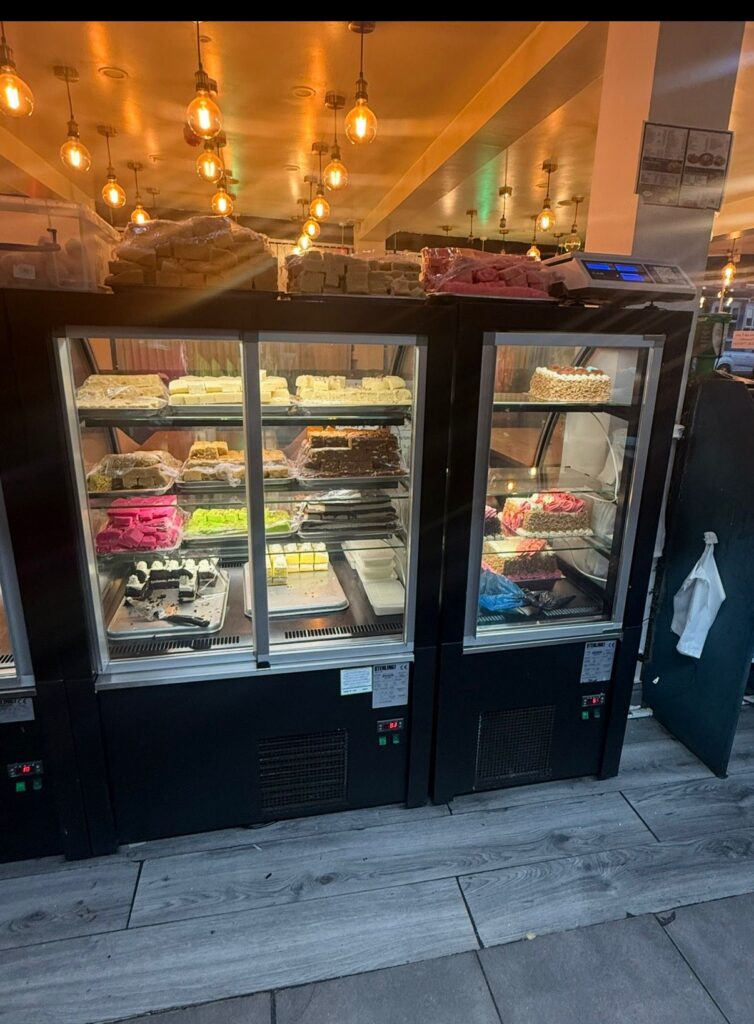
Different foods freeze at different temperatures. Products with high water content, such as leafy vegetables, sauces and fresh produce, can show ice first.
Food may freeze when:
- The air temperature is below the required range
- Food touches the evaporator cover
- The door seal allows cold air to collect in one area
- The product is stored below an air outlet
- The cabinet is overloaded
- The thermostat cycles incorrectly
- The refrigerator is installed in a very cold room
Food packaging can also make the problem harder to see. Ice may form inside containers before it becomes visible on the shelf.
Record the product location, cabinet temperature and time of day when freezing occurs. This information can help an engineer identify whether the issue is linked to loading, door use or equipment operation.
How to Check a Freezing Commercial Refrigerator
You can carry out a few basic checks before booking a repair.
1. Check the temperature setting
Confirm that the controller has not been changed. Compare the display with a reliable thermometer.
2. Check product placement
Move food away from the rear wall, fan covers and air outlets. Leave room for air to circulate.
3. Inspect the door seal
Look for gaps, splits or dirt. Make sure the door closes fully.
4. Listen for unusual sounds
Grinding, buzzing, clicking or repeated starting can indicate a fan, compressor or control fault.
5. Look for ice patterns
Note whether ice is near the door, rear wall, evaporator cover or drain. Take a photograph if safe to do so.
6. Check the condenser area
Dust and grease can reduce heat transfer. Clean accessible areas according to the manufacturer’s instructions and keep the surrounding space clear.
7. Check the drain
A blocked drain can cause water to collect and freeze inside the cabinet.
8. Protect your stock
Move sensitive products to suitable working refrigeration if the cabinet temperature is unsafe. Follow your food safety procedures and record any stock that may have been affected.
Do not remove electrical covers, test refrigerant pressure or work on the compressor yourself.
When to Call a Refrigeration Engineer
Contact a qualified refrigeration engineer if:
- Food continues to freeze after checking the settings
- The compressor runs without stopping
- Ice returns soon after defrosting
- The refrigerator is showing an error code
- The fan is noisy or not running
- The door does not seal
- The cabinet temperature is unsafe
- You suspect a refrigerant leak
- The problem affects a cold room or large amount of stock
Fast action can reduce food waste and prevent a small fault from damaging the compressor or other parts.
Birmingham Refrigeration & Air Conditioning offers fault finding and system diagnostics for commercial refrigeration equipment, cold rooms and related systems.
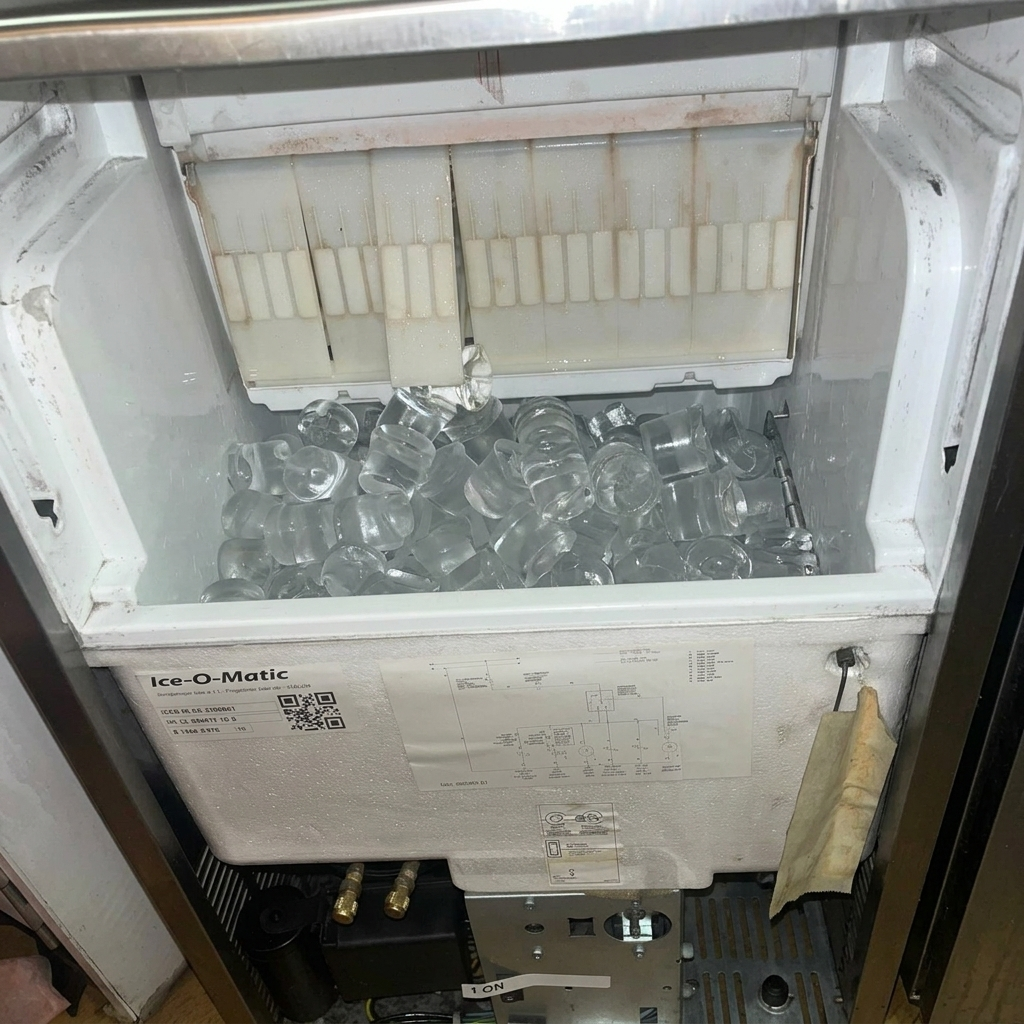
Commercial Refrigerator Repairs in Birmingham
If your refrigerator is freezing food, Birmingham Refrigeration & Air Conditioning can help identify the cause and recommend a practical repair.
The company supports businesses across Birmingham and surrounding areas, including Solihull, Sutton Coldfield, West Bromwich, Dudley and Walsall. Services include:
- Commercial refrigerator repairs
- Display fridge repairs
- Freezer repairs
- Cold room repairs
- Thermostat and sensor checks
- Fan and defrost repairs
- Refrigerant leak detection
- Emergency refrigeration support
- Planned servicing and maintenance
For larger storage areas, the team also provides cold room installation and repairs.
Whether you operate a restaurant, café, pub, supermarket, hotel, butcher, takeaway or catering business, the right repair can help protect stock and keep your service running.
How Regular Maintenance Can Prevent Freezing Problems
Planned maintenance helps identify faults before they lead to frozen products or a full breakdown.
A maintenance visit may include:
- Checking cabinet temperature
- Testing thermostats and sensors
- Inspecting fans
- Cleaning condenser areas
- Checking door hinges and seals
- Inspecting evaporator coils
- Checking the defrost system
- Reviewing refrigerant pressures
- Testing electrical controls
- Checking alarms and temperature records
Regular refrigeration and air conditioning maintenance can improve reliability and help businesses plan repairs before peak trading periods.
Staff should also be trained to avoid blocking vents, leaving doors open and overloading shelves. A simple daily check can spot changes early.
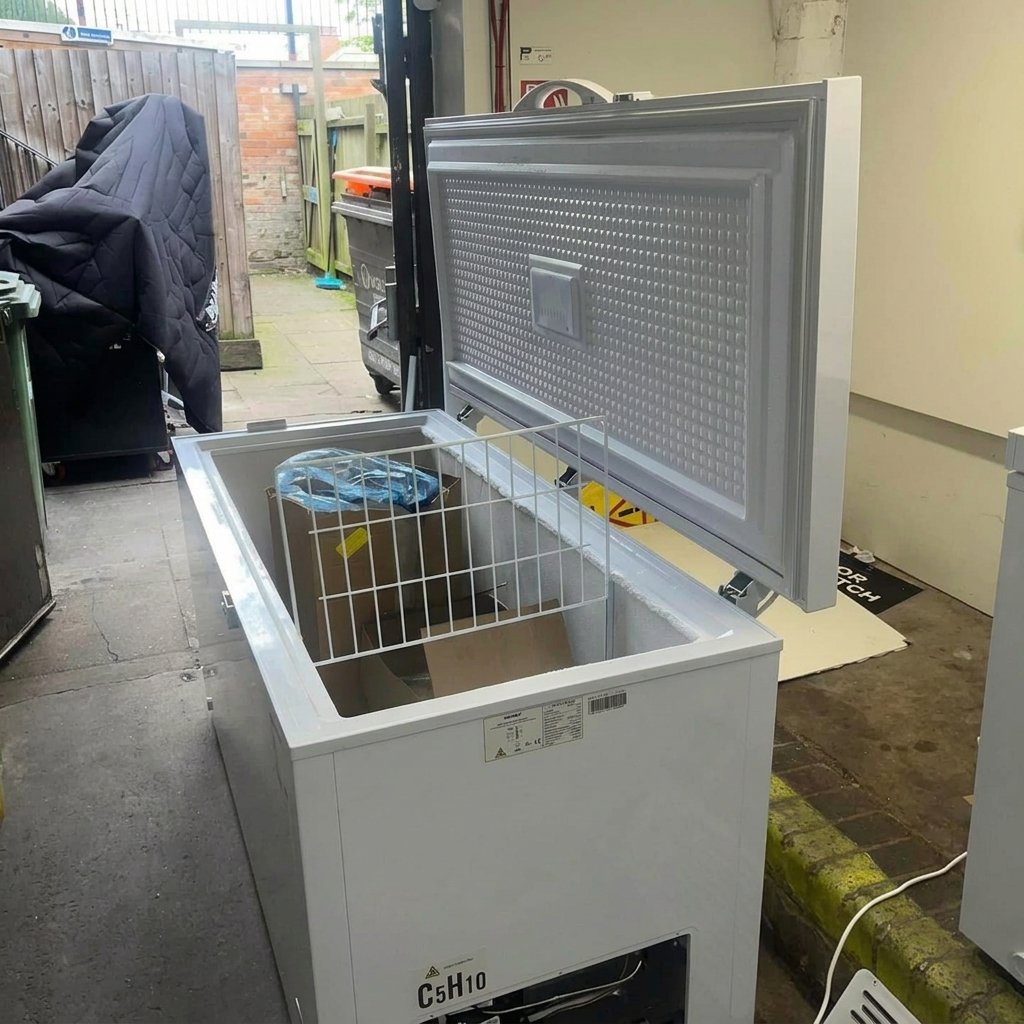
Frequently Asked Questions
Why is my commercial refrigerator freezing food?
The most common reasons are a setting that is too low, a faulty thermostat, blocked airflow, a failed fan, a damaged door seal or a defrost problem.
Why is my commercial fridge freezing at the back?
The rear wall is often close to the evaporator or cold air outlet. Food may freeze there if it touches the wall, airflow is restricted or the system is overcooling.
Can a dirty condenser make a refrigerator freeze?
A dirty condenser usually causes poor cooling and longer running times. In some cases, the system may develop uneven temperature control. The equipment should be inspected if cleaning does not solve the problem.
Should I turn off a commercial refrigerator that is freezing?
If food is at risk and you have suitable alternative storage, move the stock and follow your business food safety procedure. Arrange professional advice before putting the equipment back into normal use.
Is it safe to chip ice away?
No. Sharp tools can damage the evaporator coil and create a refrigerant leak. Use the manufacturer’s defrost instructions or call an engineer.
Can low refrigerant cause freezing?
A refrigerant problem can create unusual cooling patterns, but freezing does not always mean the system needs a refrigerant recharge. The full system should be tested first.
How quickly can a commercial refrigerator be repaired in Birmingham?
The time depends on the fault, parts availability and access to the equipment. Birmingham Refrigeration & Air Conditioning can assess the problem and explain the next step.
How can I stop my commercial refrigerator from freezing again?
Keep the correct temperature setting, avoid blocking vents, maintain clean door seals, keep the condenser clear and arrange regular servicing. If freezing returns, have the system professionally diagnosed.
Need Help With a Freezing Commercial Refrigerator?
If you are still asking why is my commercial refrigerator freezing, do not ignore the problem. Frozen products, rising energy use and uneven temperatures can point to a fault that needs attention.
Contact Birmingham Refrigeration & Air Conditioning for commercial refrigerator repairs, refrigeration maintenance, cold room support and emergency callouts in Birmingham and surrounding areas.
Request a commercial refrigeration quote and speak to a qualified team about your equipment.