

Installing air conditioning can make a home, office, shop or commercial building more comfortable throughout the year. A well planned system can cool rooms during warm weather and provide heating during colder months. However, air conditioning installation involves electrical work, refrigerant, pipework, drainage and safe handling of heavy equipment. For this reason, installation should be completed by a trained and qualified professional.
This guide explains how to install air conditioning safely, what preparation is required and why professional support matters. If you are based in Birmingham, Birmingham Refrigeration & Air Conditioning can help you choose, install and maintain a suitable system for your property.
How to Install Air Conditioning Safely
The first step in learning how to install air conditioning is understanding the safety requirements. Air conditioning units contain electrical parts and refrigerant under pressure. Incorrect work can cause electric shock, water leaks, poor cooling, property damage or system failure.
A professional installer will inspect the property, calculate the cooling requirement, check access and select suitable equipment. They will also follow the manufacturer’s instructions and current safety requirements.
Before any installation begins, the power supply must be isolated. The installer should use suitable protective equipment and safe tools. Indoor and outdoor units must be fixed securely to prevent movement or vibration.
Refrigerant work should only be carried out by a person with the correct training and certification. Refrigerant gases must be handled responsibly because leaks can affect system performance and the environment. You can learn more about air conditioning and refrigeration through Wikipedia’s air conditioning page.
Choosing the Right Type of Air Conditioning
Choosing the correct system is an important part of how to install air conditioning successfully. Different properties need different types of equipment.
A split system is common in homes, offices and small commercial spaces. It includes one indoor unit and one outdoor condenser. A multi split system can connect several indoor units to one outdoor unit. This is useful when more than one room needs cooling.
Cassette systems are often used in offices, shops and larger rooms. The indoor unit is fitted into the ceiling and spreads air in several directions. Ducted systems can provide air through hidden ductwork and are suitable for larger buildings or properties where a neat appearance is important.
Portable units may appear simple, but they are usually less efficient and can be noisy. They may work as a temporary option, but a fixed system often provides better comfort and lower running costs.
A professional survey will help you decide whether you need cooling only or a reverse cycle system that provides both cooling and heating.
Starting with a Property Survey
A property survey is a key stage in understanding how to install air conditioning correctly. The installer will inspect the room size, ceiling height, windows, insulation, sunlight and number of occupants.
The survey also considers how the building is used. A kitchen, server room, office and bedroom all produce different levels of heat. Computers, lighting, cooking equipment and machinery can increase the cooling demand.
The installer will check where cables, pipework and drainage can be placed. They will also look for safe access to the outdoor wall, roof or ground area. In some Birmingham properties, planning requirements, lease rules or landlord permission may need to be considered.
A detailed survey helps prevent problems later. It reduces the risk of choosing an undersized unit, placing equipment in a poor location or creating unnecessary changes to the building.
Calculating the Cooling Requirements of the Room
Correct sizing is one of the most important parts of how to install air conditioning. A unit that is too small may run constantly without reaching the desired temperature. A unit that is too large may switch on and off too often, waste energy and fail to control humidity properly.
Cooling capacity is normally measured in kilowatts. The installer considers the floor area, room height, insulation, glass area and direction of sunlight. Heat from people, appliances and lighting is also included.
For example, a small bedroom may need a lower capacity than a busy office with computers and several occupants. A south facing room with large windows may require more cooling than a shaded room of the same size.
Professional sizing gives you better comfort and improved efficiency. It can also help extend the life of the equipment because the system does not need to work harder than necessary.
Choosing the Indoor Unit Location
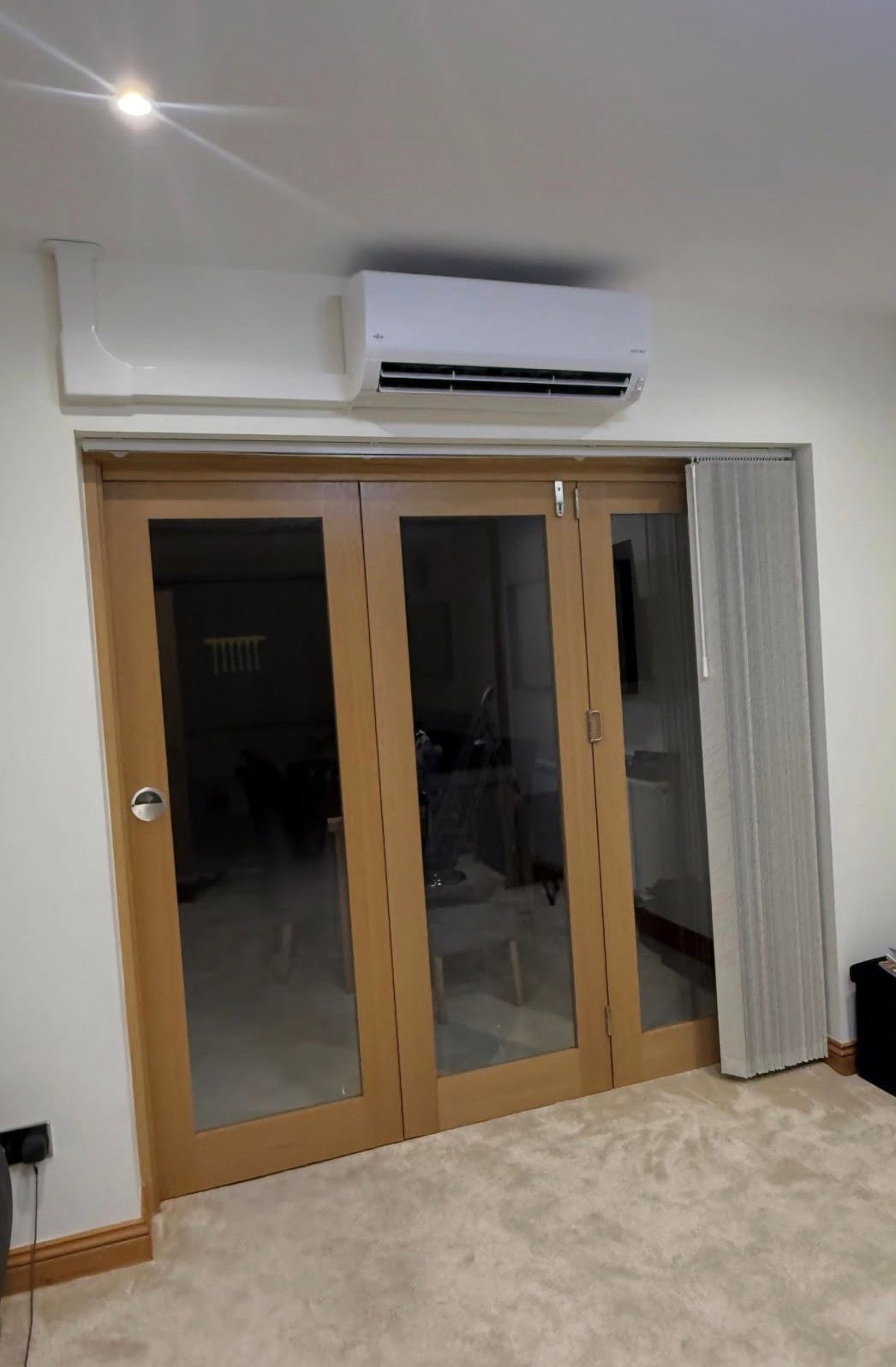
The position of the indoor unit affects comfort and air movement. When considering how to install air conditioning, the unit should be placed where air can circulate freely around the room.
The unit should not be blocked by curtains, cupboards or shelves. It should not blow directly onto a bed, desk or seating area if this may cause discomfort. The wall must be strong enough to support the unit and allow space for servicing.
The installer will also consider the route to the outdoor unit. A shorter and straighter pipe route can improve appearance and reduce installation time. The indoor unit should remain level so that condensation can drain correctly.
In offices and shops, the unit should be positioned to spread air evenly without disturbing staff or customers. In bedrooms, quiet operation and gentle airflow are often the main priorities.
Choosing the Outdoor Unit Location
The outdoor condenser releases heat from the building. Selecting a good location is another important stage of how to install air conditioning.
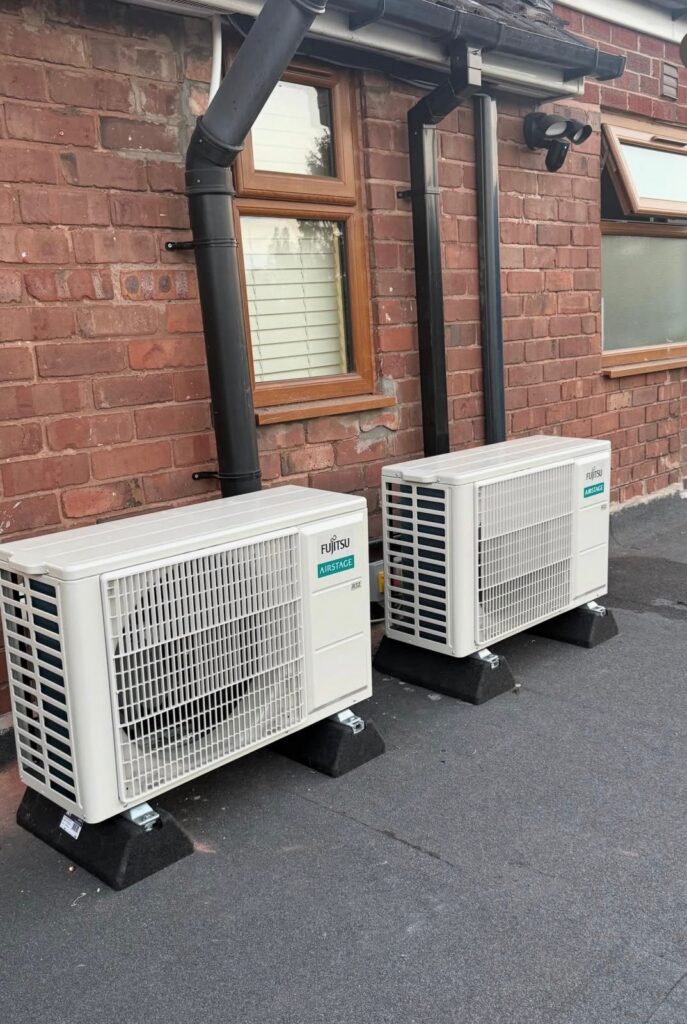
The outdoor unit needs enough open space for air to enter and leave. It should not be placed too close to another condenser, wall or enclosed structure. Poor airflow can make the system work harder and reduce its cooling performance.
The mounting surface must be stable and strong. Wall brackets, roof supports or ground stands should be suitable for the weight of the equipment. Anti vibration supports can help reduce noise and movement.
The location should also allow safe access for future maintenance. Water from defrosting or condensation must not cause a nuisance to neighbours, pedestrians or the building fabric.
In Birmingham, outdoor units may be installed at the rear of a property, on a suitable side wall, in a courtyard or on a roof area. The best choice depends on access, airflow, noise and local property requirements.
Planning Pipework and Drainage
Pipework connects the indoor unit to the outdoor condenser. It carries refrigerant between the two parts of the system. A separate drain pipe removes condensation from the indoor unit.
Planning pipework is essential when learning how to install air conditioning. Refrigerant pipes should be correctly sized, insulated and protected from damage. Poor insulation can cause condensation, energy loss and reduced performance.
The drain pipe must have a suitable fall so water can flow away naturally. If the route is not possible by gravity, a condensate pump may be required. Drainage should never be allowed to discharge where it can damage walls, paving or electrical equipment.
Visible pipework should be installed neatly. Many systems use a protective trunking cover outside or inside the building. The installer should seal wall openings to prevent drafts, insects and water entering the property.
Installing the Indoor Air Conditioning Unit
Once the position is agreed, the installer marks the fixing points and checks the wall. A mounting plate is secured using suitable fixings. The installer then creates an opening for the pipework, cable and drain line.
The indoor unit is carefully placed onto the mounting plate. It must sit level and firmly. The pipe connections are prepared without bending or damaging the copper lines.
The drain pipe is connected and checked for a clear route. The electrical cable is installed according to the equipment instructions and the property’s electrical requirements.
The installer will protect the wall and surrounding area during the work. Any gaps around the wall opening should be sealed after the pipework is passed through.
Installing the Outdoor Condenser
The outdoor condenser is heavier than the indoor unit, so safe lifting and secure fixing are essential. The installer may use wall brackets, a ground frame or another approved support.
The condenser must be level and positioned with enough space for ventilation. It should be protected from accidental impact and placed where maintenance can be carried out safely.
The refrigerant pipework, control cable and power connection are then routed to the outdoor unit. All connections should be tightened correctly and protected against weather.
The installer will check that the brackets or frame can handle the equipment weight. Loose or weak supports can create vibration, noise and serious safety risks.
Connecting the Air Conditioning System
Connecting the system is a technical part of how to install air conditioning. Refrigerant lines must be connected carefully and checked for leaks. The installer will normally use specialist equipment to test the pipework and remove air and moisture from the circuit.
Moisture inside the system can damage components and reduce efficiency. Air in the refrigerant circuit can also increase pressure and affect performance. Vacuum testing helps confirm that the system is ready for safe operation.
Electrical connections must follow the manufacturer’s instructions. Some systems need a dedicated electrical circuit, isolation switch or protective device. The installer should check the supply and confirm that the system is properly earthed.
Refrigerant charging should be completed accurately. Too much or too little refrigerant can cause poor cooling, higher energy use and compressor damage.
Testing the System After Installation
Testing confirms whether how to install air conditioning has been completed correctly. The installer should run the system in cooling mode and, where available, heating mode.
They will check airflow, temperature, noise and vibration. The drain should be tested to make sure condensation leaves the indoor unit correctly. Pipe connections and electrical points should be inspected for signs of leakage or overheating.
The system should reach the selected temperature within a reasonable period. Remote controls, timers and operating modes should also be checked.
A professional installer may record important details such as the model, refrigerant type and installation date. You should receive instructions on cleaning filters, using the controls and arranging future servicing.
What to Expect on Installation Day
Knowing what happens on the day can make how to install air conditioning easier to understand. The installer will usually begin by confirming the agreed locations and protecting floors, walls and furniture.
There may be drilling, lifting and short periods of noise. The length of the work depends on the number of indoor units, pipe length, access and electrical requirements. A simple single split system may be completed in one day, while larger projects can take longer.
The installer should keep the work area organised and remove packaging and waste. At the end, they should explain how to use the system and answer your questions.
Before the team leaves, check that the indoor and outdoor units look secure, the controls work and the surrounding area has been cleaned.
Common Air Conditioning Installation Mistakes
Many problems occur when people try to install systems without proper training. Common mistakes include choosing a unit with the wrong capacity, placing the indoor unit where airflow is blocked and installing the condenser in a restricted area.
Incorrect pipe sizing, poor insulation and weak drainage can lead to water leaks. Loose electrical connections can create serious danger. Failure to vacuum and leak test the refrigerant circuit can shorten the life of the compressor.
Another common issue is poor outdoor positioning. A condenser surrounded by walls, plants or stored items may struggle to release heat.
Skipping maintenance after installation is also a mistake. Filters need regular cleaning, while professional servicing helps identify refrigerant, electrical and drainage problems early.
Professional Air Conditioning Installation in Birmingham
If you are searching for how to install air conditioning in Birmingham, professional advice can save time and prevent expensive errors. Birmingham Refrigeration & Air Conditioning provides air conditioning solutions for homes, offices, shops and commercial premises across Birmingham.
The company can assess your property, recommend suitable equipment and plan the installation around your needs. Professional installation helps provide reliable cooling, safe electrical connections, effective drainage and efficient operation.
You can learn more about the company’s air conditioning installation service in Birmingham. A trained team can also advise on servicing, repairs and replacement systems when required.
When choosing an installer, look for experience, clear communication and knowledge of the equipment being fitted. Ask whether the work includes testing, commissioning and guidance on future maintenance.
Maintaining Your New Air Conditioning System
After learning how to install air conditioning, it is useful to understand how to care for the system. Indoor filters should be cleaned at regular intervals because dust and debris restrict airflow.
Keep the area around the outdoor condenser clear. Leaves, rubbish and plants can block ventilation. Do not cover the condenser while it is operating.
A professional service can include cleaning coils, checking refrigerant pressure, testing electrical parts, inspecting drainage and checking system performance. The correct service interval depends on usage and the type of property.
Regular maintenance can improve energy efficiency, protect indoor air quality and reduce the chance of sudden breakdowns.
Frequently Asked Questions
Can I install air conditioning myself?
Air conditioning installation involves electrical work and refrigerant handling. It should be completed by a suitably trained professional. DIY installation can create safety risks and may affect the manufacturer’s warranty.
How long does air conditioning installation take?
A basic single room system may take several hours or one working day. Larger systems with several indoor units, long pipe routes or complex access can take longer.
Does air conditioning provide heating?
Many modern systems use reverse cycle technology and can provide both cooling and heating. Your installer can explain the available operating modes.
Where should an outdoor condenser be placed?
The condenser should be placed on a stable support with sufficient airflow and safe access for maintenance. The exact position depends on the building and local requirements.
How often should air conditioning be serviced?
The correct interval depends on usage, system type and the environment. Homes may need less frequent servicing than busy offices, shops or industrial spaces.
Why is my air conditioning leaking water?
Water can leak because of a blocked drain, poor pipe fall, a damaged drain hose, dirty filters or frozen coils. Turn off the system and arrange a professional inspection if the problem continues.
Is air conditioning expensive to run?
Running costs depend on the system size, energy rating, room temperature, insulation and usage pattern. Correct sizing and regular maintenance can help reduce energy use.
How do I choose the right installer in Birmingham?
Choose an experienced company that provides a proper survey, clear quotation, safe installation and full system testing. Birmingham Refrigeration & Air Conditioning can provide advice for properties across Birmingham.
Get Reliable Air Conditioning Help in Birmingham
Understanding how to install air conditioning helps you make better decisions about your property. The safest results come from careful planning, correct sizing, secure fixing, accurate connections and complete testing.
For dependable advice and installation in Birmingham, contact Birmingham Refrigeration & Air Conditioning. The team can help you create a comfortable, efficient and reliable indoor environment throughout the year.