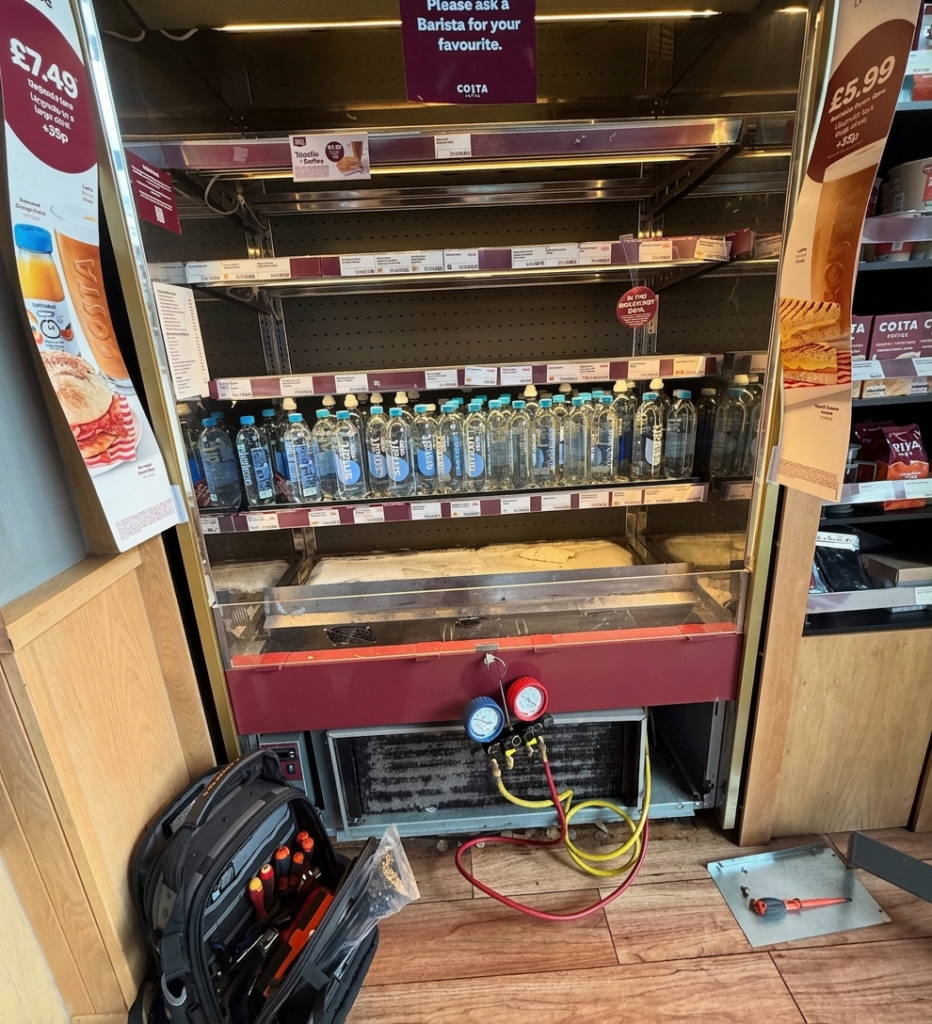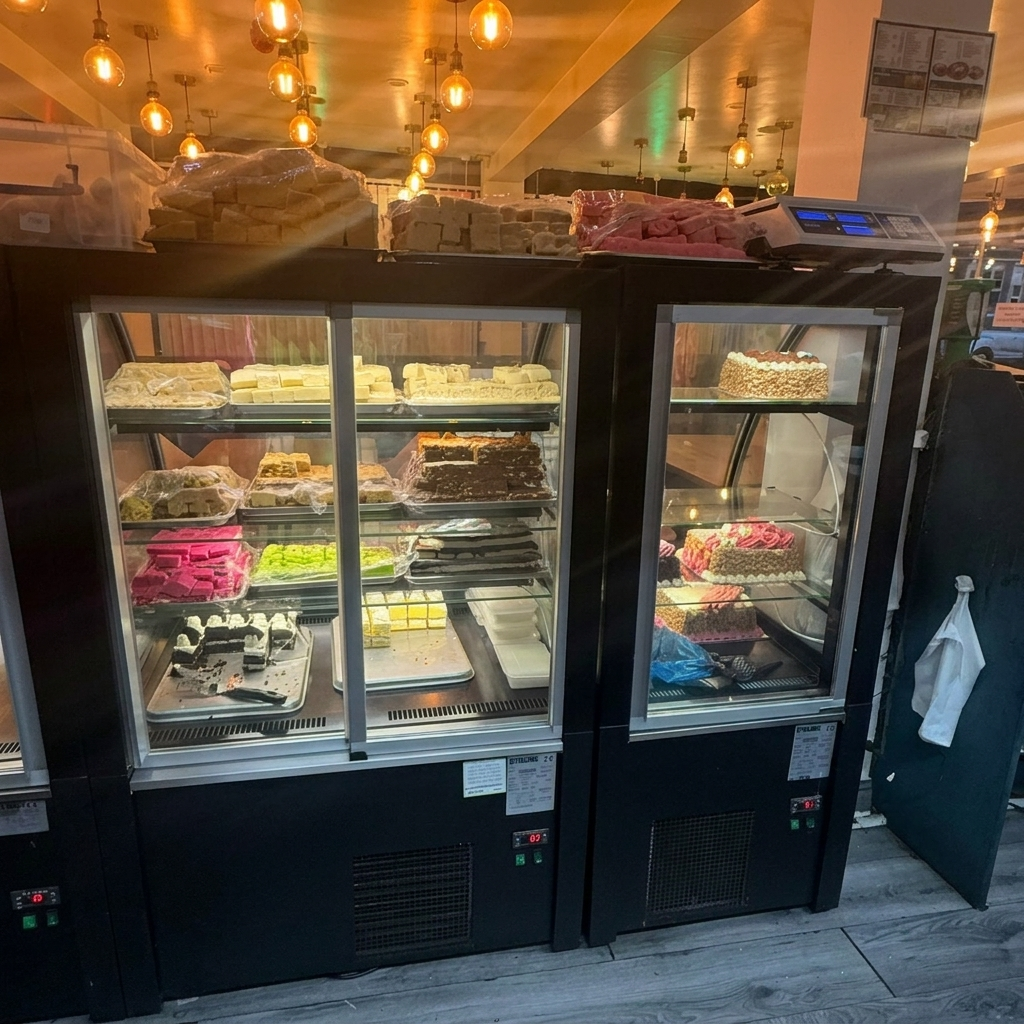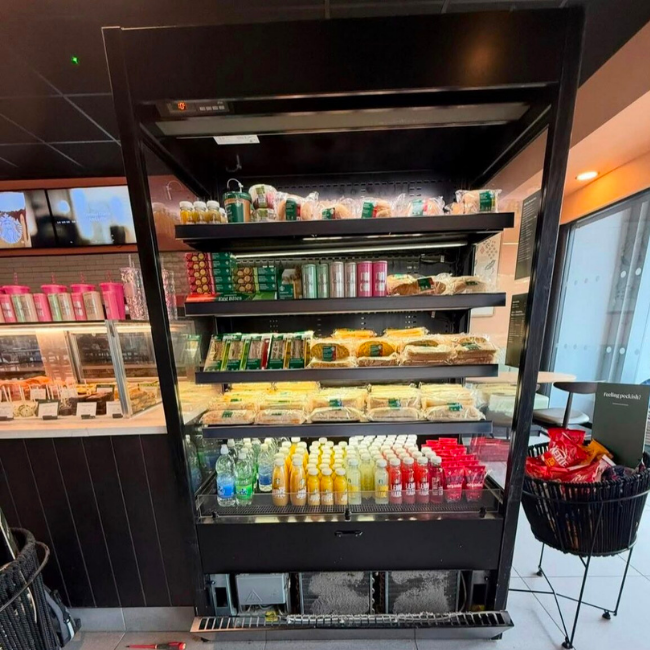


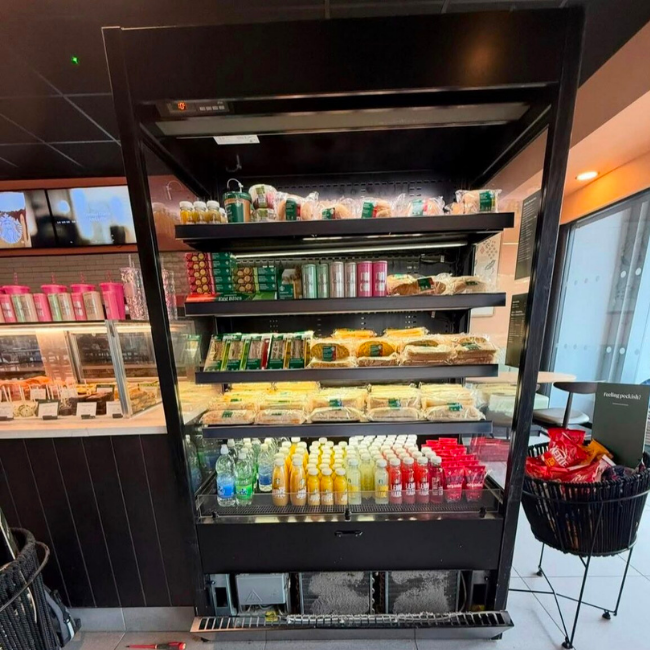
A commercial refrigerator is one of the most important pieces of equipment in many food and hospitality businesses. Restaurants, cafés, takeaways, supermarkets, hotels, catering kitchens and shops rely on refrigeration every day to keep food, drinks and other temperature sensitive products in good condition.
When a commercial refrigerator stops cooling properly, the problem should not be ignored. A small fault can become a bigger breakdown, and a refrigerator that is running for long periods without reaching the correct temperature may also waste energy.
The good news is that some basic checks can help you find the cause of the problem. However, electrical faults, refrigerant problems, compressor faults and other technical issues should be inspected by a qualified refrigeration engineer.
This guide explains how to fix a commercial refrigerator by starting with the safest checks first. It also explains when professional help is needed and what businesses in Birmingham should look for when arranging a repair.
How a Commercial Refrigerator Works
Before learning how to fix a commercial refrigerator, it helps to understand the basic cooling process.
A commercial refrigerator uses a refrigeration system to remove heat from the inside of the cabinet. The main parts usually include the compressor, condenser, evaporator, expansion device, fans, thermostat or controller, door seals and electrical controls.
The compressor moves refrigerant through the system. The condenser releases heat from the refrigerant, while the evaporator absorbs heat from inside the refrigerator. Fans help move air across these components so that cold air can circulate through the cabinet.
The thermostat or temperature controller helps maintain the selected temperature. When the inside becomes warmer than the set point, the system should operate to bring the temperature back down.
If one part becomes dirty, blocked, damaged or faulty, the entire system can lose performance.
This is why commercial refrigerator repair is not always about one simple part. A refrigerator that is not cooling may have an airflow issue, a temperature control problem, a fan fault, dirty condenser coils or a more serious refrigeration fault.
For a general explanation of refrigeration, you can also add an external link to the relevant Wikipedia refrigeration article within this section.
Common Signs Your Commercial Refrigerator Has a Problem
Knowing the warning signs can help you act before the refrigerator completely fails.
One of the most common signs is poor cooling. The cabinet may feel warmer than normal, drinks may not feel properly chilled, or food may take much longer to reach the required temperature.
Another warning sign is unusual noise. A commercial refrigerator will normally make some operating sounds, but a sudden clicking, buzzing, grinding or rattling noise can point to a problem with a fan, motor, compressor or another component.
You may also notice excessive water inside the cabinet. This can happen when drainage is blocked or when ice starts to melt because the refrigerator is not operating correctly.
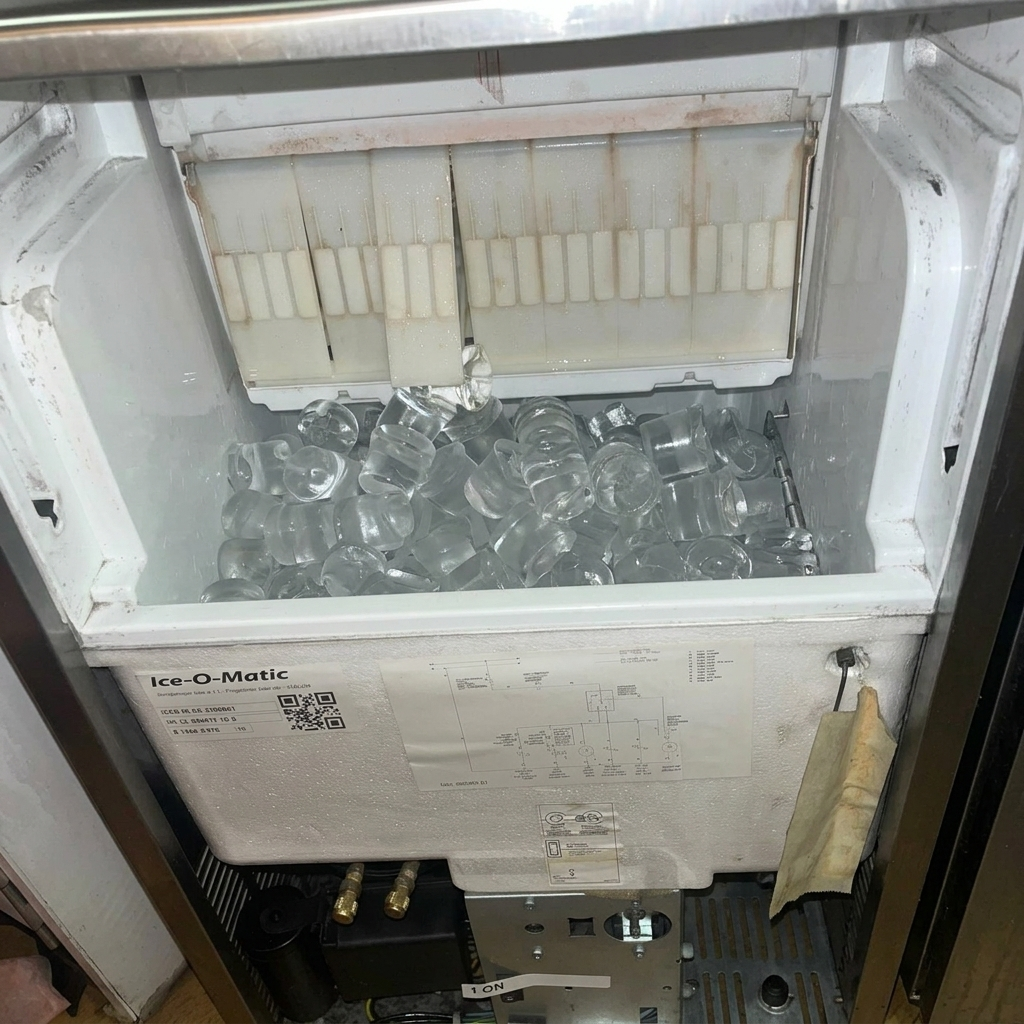
Ice covering parts of the evaporator area is another sign to watch. Too much ice can restrict airflow and prevent the refrigerator from maintaining an even temperature.
If the refrigerator is constantly running without reaching the correct temperature, that is also a warning. It may mean the system is struggling because of poor airflow, dirty components, a door seal problem, a faulty control or a refrigeration fault.
A rise in electrical consumption can also indicate that the equipment is working harder than it should.
Why a Commercial Refrigerator Is Not Cooling
There are several possible reasons a commercial refrigerator is not cooling.
The problem may be simple, such as a disconnected plug, incorrect temperature setting or dirty condenser coils. In other situations, the issue could be linked to a failed fan, damaged door seal, blocked airflow or ice build up.
More serious causes include a faulty compressor, control problem or refrigerant issue.
When learning how to fix a commercial refrigerator, it is important to start with simple checks and avoid opening or modifying parts of the refrigeration circuit unless you are properly qualified to do so.
Check the Power Supply and Plug
The first step in how to fix a commercial refrigerator is to check whether the unit has power.
Make sure the plug is fully connected and that the socket is working. If the refrigerator has a separate isolator switch, check that it has not been switched off.
Look for signs such as no display, no internal light and no sound from the equipment. If several appliances in the same area are also without power, there may be a wider electrical issue.
Do not continue using a socket or cable that appears damaged. Electrical faults can be dangerous and should be assessed by a competent professional.
If the refrigerator suddenly stopped after a power interruption, allow the equipment to restart normally and check whether it returns to its usual operation.
Check the Temperature Setting
Incorrect temperature settings are easy to overlook.
A refrigerator may not be faulty at all if the controller has been changed accidentally. Check the temperature display and compare it with the setting normally used by your business.
If someone has adjusted the controller, return it to the appropriate setting for the equipment and the products being stored.
The display itself can also provide useful information. Error codes, warning lights or unusual temperature readings may indicate that the system needs further investigation.
A refrigerator that shows a normal setting but still fails to reach the required temperature may have another underlying fault.
Clean the Condenser Coils
Dirty condenser coils are a common reason for poor refrigeration performance.
The condenser needs to release heat into the surrounding area. When dust, grease and dirt build up on the coils, heat transfer becomes less effective. The refrigeration system can then work harder and may struggle to maintain the correct temperature.
Before cleaning, switch off the equipment according to the manufacturer’s instructions and make sure it is safe to access the condenser area.
Use suitable cleaning equipment to remove dust and debris. Avoid damaging the fins or electrical components.
Commercial kitchens can be especially hard on refrigeration equipment because grease and airborne particles can build up faster than in a clean office or storage environment.
Regular cleaning can help maintain airflow and reduce unnecessary strain on the system.
Check the Door Seal
A damaged or loose door seal can allow warm air into the refrigerator.
Inspect the rubber seal around the door. Look for cracks, gaps, sections that have become loose or areas where the seal no longer sits correctly.
A simple way to inspect the seal is to close the door and check whether it makes firm contact around the full opening.
Warm air entering through a poor seal can increase the workload on the refrigeration system. It may also encourage condensation and ice formation.
If the seal is damaged, replacement may be required.
Check for Ice Build Up
Ice build up can prevent a commercial refrigerator from cooling evenly.
Look inside the cabinet and around the evaporator area for heavy ice. A light amount of frost may be normal on some systems, but thick ice covering the evaporator or restricting airflow usually needs attention.
Ice can develop because of airflow problems, a faulty defrost system, a door that is not closing properly, temperature control issues or other faults.
Do not use sharp tools to break ice away from the equipment. This can damage important components.
If the refrigerator requires manual defrosting, follow the manufacturer’s instructions. Repeated heavy ice formation usually means the underlying cause should be investigated rather than simply removing the ice again and again.
Check the Evaporator Fan
The evaporator fan helps move cold air through the refrigerator.
If the fan stops working, cold air may not circulate properly. You may notice that one area of the cabinet feels colder than another, while products further away from the evaporator remain warmer.
Listen for unusual fan noise and check whether airflow appears normal where it is safe to observe it.
Do not place hands near moving components or attempt electrical repairs while the equipment is powered.
A failed fan motor, damaged wiring or control problem requires proper diagnosis.
Check the Condenser Fan
The condenser fan helps remove heat from the refrigeration system.
If the fan is not operating correctly, heat may build up around the condenser. The system can then lose efficiency and may struggle to maintain the required cabinet temperature.
Check for obvious signs such as unusual noise, poor airflow or a fan that is not operating when it normally should.
Again, avoid touching electrical components or moving parts.
A faulty condenser fan may need a replacement motor, electrical repair or another component depending on the cause.
Why Refrigerant Problems Need Professional Attention
One of the more serious causes of poor cooling is a refrigerant problem.
Refrigerant is an important part of the cooling cycle. If the system loses refrigerant because of a leak or another fault, the refrigerator may stop cooling correctly.
Signs can include poor cooling, long running times, unusual temperature readings and a system that no longer performs as it once did.
Adding refrigerant without finding the cause is not a proper repair. If a leak exists, the leak needs to be identified and repaired before the refrigeration system can be restored correctly.
Refrigeration systems also contain pressurised components and specialist equipment. Refrigerant work should therefore be carried out by a suitably qualified refrigeration engineer.
This is one of the most important points when considering how to fix a commercial refrigerator. Basic cleaning and visual checks may be suitable for the person responsible for the premises, but refrigeration circuit work is a professional task.
When a Commercial Refrigerator Needs Professional Repair
Some problems are too technical or unsafe to fix without specialist knowledge.
A professional should inspect the refrigerator when the compressor is not operating correctly, the system repeatedly trips the power, refrigerant may be leaking, temperature remains too high after basic checks, fans are failing or the equipment continues to develop heavy ice.
Professional help is also important when the refrigerator is making serious mechanical noises, showing fault codes or stopping and restarting unexpectedly.
Trying to replace complex components without the correct knowledge can cause further damage and may make the repair more expensive.
A refrigeration engineer can test the system, identify the cause and recommend the correct repair instead of replacing parts based on guesswork.
This approach is especially important for a busy business where a refrigeration breakdown can affect stock, food storage and daily operations.
How to Fix a Commercial Refrigerator Without Making the Problem Worse
When learning how to fix a commercial refrigerator, knowing what not to do is just as important as knowing what to check.
Do not use sharp tools to remove ice.
Do not bypass safety controls.
Do not open the refrigeration circuit.
Do not add refrigerant without proper diagnosis.
Do not keep running a refrigerator that has a serious electrical or mechanical fault.
Do not ignore rising temperatures because the unit still appears to be running.
Do not continue storing temperature sensitive products in equipment that cannot maintain a safe operating temperature.
A careful approach can reduce the chance of further damage and help a professional identify the original problem more quickly.
Commercial Refrigerator Repair in Birmingham
Businesses across Birmingham depend on reliable refrigeration every day.
Restaurants in areas such as the city centre, Edgbaston, Harborne, Selly Oak, Digbeth and Aston may rely on commercial fridges and freezers for food storage. Shops, cafés, hotels, catering businesses and other commercial premises also need dependable refrigeration equipment to support daily operations.
When a refrigerator develops a fault, quick and accurate diagnosis can make a major difference.
Birmingham Refrigeration & Air Conditioning provides refrigeration repair and fault finding support for commercial customers in Birmingham and surrounding areas.
The company works with commercial refrigeration equipment and can investigate problems involving cooling performance, fans, controls, compressors, condensers, evaporators and other refrigeration components.
The focus should always be on identifying the real cause of the fault. Replacing a part without understanding why the refrigerator stopped working may not solve the problem for long.
For a related service page, add an internal link to Refrigeration & AC Repairs Birmingham here. This creates a useful connection between the educational article and the relevant commercial repair service.
Businesses may also benefit from planned refrigeration maintenance. Regular checks can help identify dirty components, airflow problems, worn parts and other issues before they become major breakdowns.
Why Professional Diagnosis Matters
A commercial refrigerator can appear to have one problem while the real cause is somewhere else.
For example, poor cooling could be caused by blocked airflow, but it could also result from a fan fault, temperature control problem or refrigeration issue.
A refrigerator that runs continuously could have dirty condenser coils, a poor door seal or a more serious system fault.
This is why proper fault finding is valuable.
An experienced engineer can inspect the system in a logical order, test relevant components and determine what is causing the problem.
For businesses, this can help avoid unnecessary parts and reduce repeated breakdowns.
The goal is not simply to make the refrigerator start again. The goal is to restore dependable cooling and understand why the fault occurred.
How Regular Maintenance Can Prevent Commercial Refrigerator Problems
Prevention is often easier than emergency repair.
A commercial refrigerator should be kept clean and given enough space around ventilation areas so that heat can escape properly.
Condenser coils should be checked and cleaned as part of routine maintenance. Door seals should also be inspected for wear and damage.
Temperature readings should be monitored so that changes are noticed early.
Staff should also avoid leaving refrigerator doors open longer than necessary. Frequent opening can increase the amount of warm air entering the cabinet.
Heavy loads should be managed carefully, and airflow inside the cabinet should not be blocked.
Routine professional maintenance can also identify problems that are not yet obvious during daily use.
For busy Birmingham businesses, a planned maintenance approach can help support reliable operation and reduce the risk of an unexpected refrigeration breakdown.
Frequently Asked Questions
What should I check if my commercial refrigerator is not cooling?
Start by checking the power supply, plug and temperature setting. Then inspect the door seal, condenser area, airflow and visible ice build up. You can also check whether the evaporator fan and condenser fan appear to be operating correctly where it is safe to do so.
If these checks do not solve the problem, or the refrigerator is showing serious warning signs, professional commercial refrigerator repair should be arranged.
Can I repair a commercial refrigerator myself?
You can safely carry out some basic checks, cleaning and visual inspections, depending on the equipment and the manufacturer’s instructions. However, electrical faults, refrigerant problems, compressor faults and complex component repairs should be handled by a qualified professional.
Knowing how to fix a commercial refrigerator does not mean every fault should be repaired without specialist help.
When should I call a refrigeration engineer?
Call a refrigeration engineer when the refrigerator is not cooling after basic checks, temperatures remain too high, the compressor or fans are not working properly, there is suspected refrigerant loss, the unit keeps tripping the power or there are unusual mechanical noises.
Early diagnosis can help prevent a small fault from becoming a major breakdown.
Why is my commercial refrigerator running all the time?
A commercial refrigerator that runs continuously may have dirty condenser coils, poor airflow, a damaged door seal, incorrect temperature settings or a refrigeration system problem.
Constant running should not be ignored, especially if the cabinet is still too warm.
Why is there ice inside my commercial refrigerator?
Ice can form because of poor airflow, door seal problems, defrost issues, temperature control faults or other refrigeration problems.
If heavy ice keeps returning after defrosting, the underlying cause should be investigated.
Why is my commercial fridge making strange noises?
Some operating noise is normal, but new or loud sounds can indicate a problem with a fan, motor, compressor or another component.
A grinding, rattling or repeated clicking sound should be checked before the fault becomes more serious.
How often should a commercial refrigerator be serviced?
The right service interval depends on the equipment, how heavily it is used and the environment where it operates. Busy commercial kitchens may need more frequent attention because grease, dust and debris can build up faster.
A planned maintenance schedule based on the equipment and business use is a sensible approach.
Is it worth repairing an old commercial refrigerator?
Sometimes repair is the most practical option, especially when the fault is limited to a serviceable component. In other cases, the age, condition, repair cost and reliability of the equipment may make replacement more sensible.
A professional assessment can help you compare the options.
Learning how to fix a commercial refrigerator starts with simple checks.
Power, temperature settings, condenser cleanliness, door seals, ice build up and airflow are sensible areas to inspect first. These checks can sometimes identify a straightforward problem.
However, not every refrigeration fault is suitable for a DIY repair. Problems involving refrigerant, compressors, electrical controls or internal refrigeration components need professional knowledge and proper equipment.
For businesses in Birmingham, Birmingham Refrigeration & Air Conditioning can be the practical solution when commercial refrigeration equipment needs fault finding, repair or ongoing maintenance.
A commercial refrigerator is too important to business operations to leave a serious fault unresolved. Acting early can help protect stock, reduce disruption and keep your cooling equipment working as it should.
For dependable help with commercial refrigeration problems in Birmingham, contact Birmingham Refrigeration & Air Conditioning and arrange a professional assessment of the equipment.