


Installing an air conditioning system is not simply a case of putting a unit on a wall and switching it on. A good installation starts with choosing the right equipment, checking the room, planning the indoor and outdoor positions, arranging suitable pipework and drainage, and making sure the system is tested correctly.
This guide explains how to install air conditioning unit in simple terms. It is designed to help homeowners, landlords and business owners understand what is involved before arranging an installation.
Air conditioning systems often include an indoor unit and an outdoor unit connected by refrigerant pipework, electrical connections and a condensate drain. Because refrigerant handling and parts of the electrical installation can require qualified professionals, the actual installation should be completed by a suitably trained engineer.
For properties in Birmingham, Birmingham Refrigeration & Air Conditioning provides professional air conditioning installation for homes, offices, shops, restaurants and other commercial premises. The company also provides repairs, servicing and maintenance, helping customers look after their systems after installation.
How to Install an Air Conditioning Unit
When people search for how to install air conditioning unit, they often want to know exactly what happens from the first site check to the final test.
Although the exact process depends on the type of air conditioner, most split system installations follow a similar sequence. The engineer first checks the room and installation area. The required cooling capacity is considered, followed by the position of the indoor unit and outdoor condenser. Pipe routes, drainage and electrical requirements are then planned.
The indoor and outdoor units are mounted in suitable positions and connected. The system is checked carefully before operation. Once installation and testing are complete, the customer should be shown how to use the controls and understand basic care and maintenance.
The important point is that every property is different. A system that works well in one room may not be suitable for another property because room size, insulation, windows, heat gain, occupancy and layout can all affect cooling requirements.
Choosing the Right Air Conditioning Unit
The first stage in understanding how to install air conditioning unit is choosing the right system.
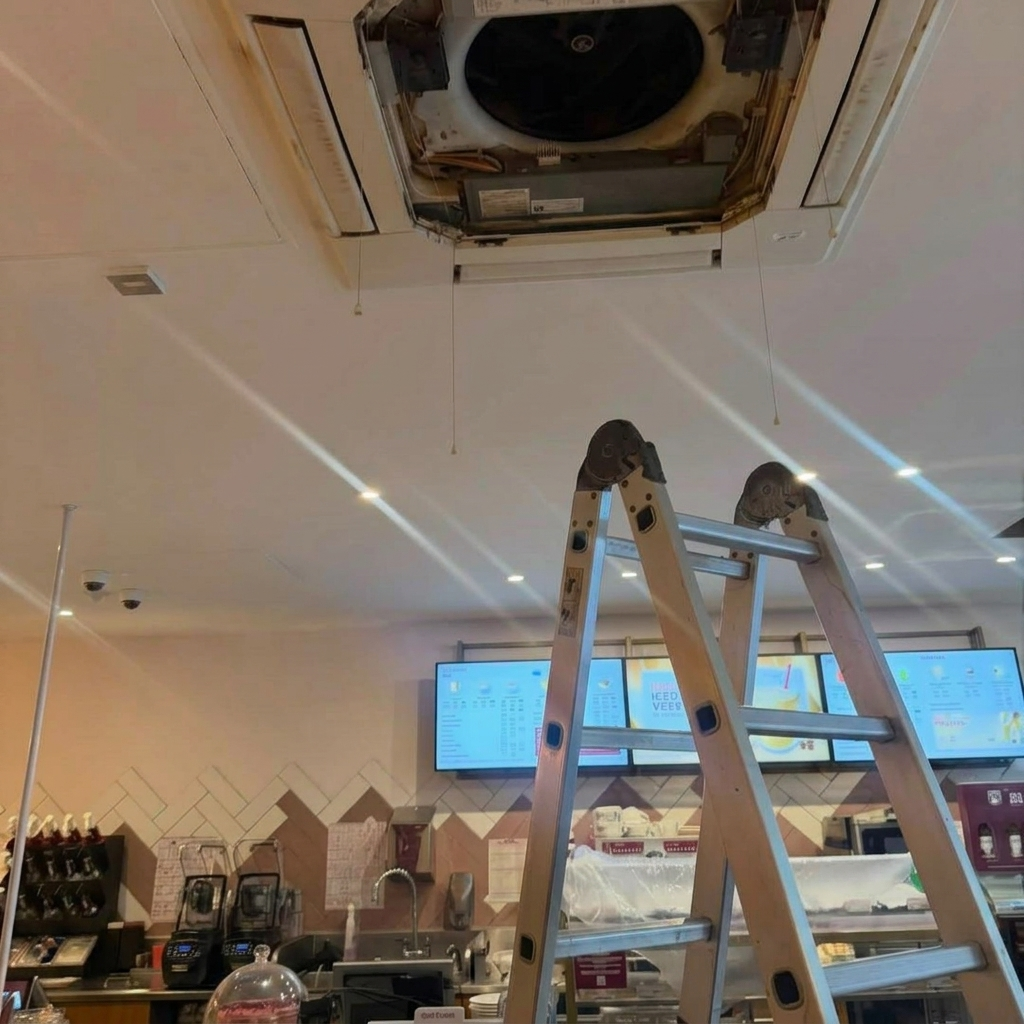
There are several types of air conditioning available. Wall mounted split systems are common for bedrooms, living rooms, offices and smaller commercial spaces. Larger properties may need multi split systems, cassette units, ducted systems or other commercial solutions.
The right choice depends on how the room or building is used.
A home bedroom may need a different system from a busy restaurant. An office with computers and several occupants can have a different cooling load from a small storage room. A shop with large windows may also receive more heat from sunlight.
It is also worth thinking about whether the system will be used only for cooling or for heating as well. Many modern systems can provide both, which can make them useful throughout the year.
A professional assessment helps match the equipment to the building instead of simply selecting the biggest unit available.
For professional guidance, see the Air Conditioning Installation service from Birmingham Refrigeration & Air Conditioning.
Checking the Room Before Installation
One of the most important parts of how to install air conditioning unit is the site assessment.
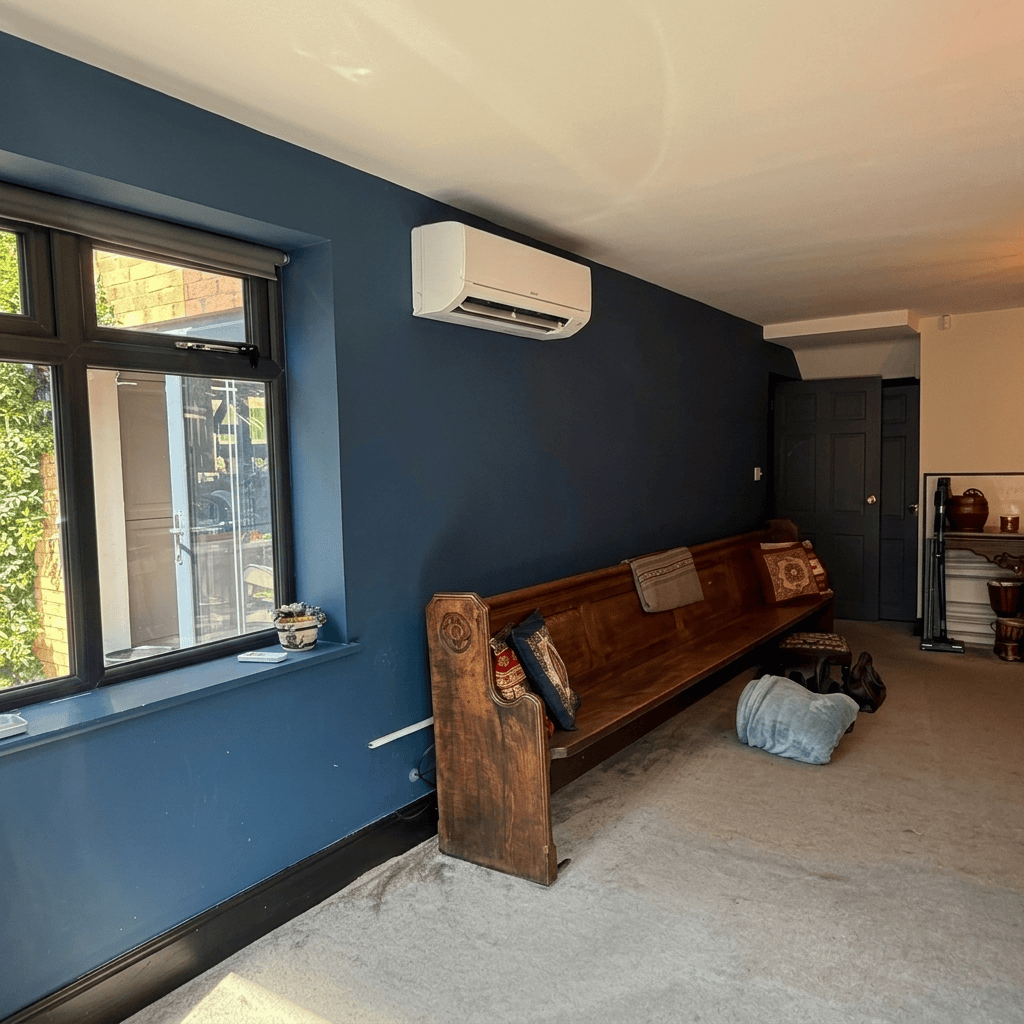
Before any equipment is installed, the room should be inspected. The engineer needs to consider the room dimensions, ceiling height, number and size of windows, insulation, sunlight, doors, occupancy and the purpose of the room.
Furniture and internal layout can also matter. The position of the indoor unit should allow air to move around the room properly without creating an uncomfortable direct blast of cold air.
The condition of the wall should also be checked. Some walls may need additional support for the indoor unit. There may also be hidden pipes, cables or other services in areas where drilling could be required.
An experienced installer will look beyond the size of the room and consider the whole environment.
Choosing the Correct Unit Size
Correct sizing is essential when learning how to install air conditioning unit.
An air conditioner that is too small may struggle to maintain the desired temperature, especially during warmer weather. It may run for long periods without providing the expected comfort.
A unit that is much larger than needed is not automatically better. Oversized systems can cycle differently and may not provide the balanced temperature and humidity control expected by the occupants.
Sizing can depend on room dimensions, heat from windows, insulation, orientation, occupancy, appliances and how often the room is used.
This is why professional sizing is more reliable than choosing a unit based only on floor area or an online calculator.
For a home, the installer may consider bedrooms, living areas, home offices and extensions separately. For a business, several rooms may need to be assessed together as part of a wider cooling plan.
Checking the Wall and Installation Area
The indoor unit needs a safe and practical mounting position.
A strong wall is normally preferred because the unit needs secure support. There should also be enough space around the equipment for proper airflow and future cleaning or servicing.
The position should allow cooled air to spread across the room rather than being blocked by shelving, furniture or other objects.
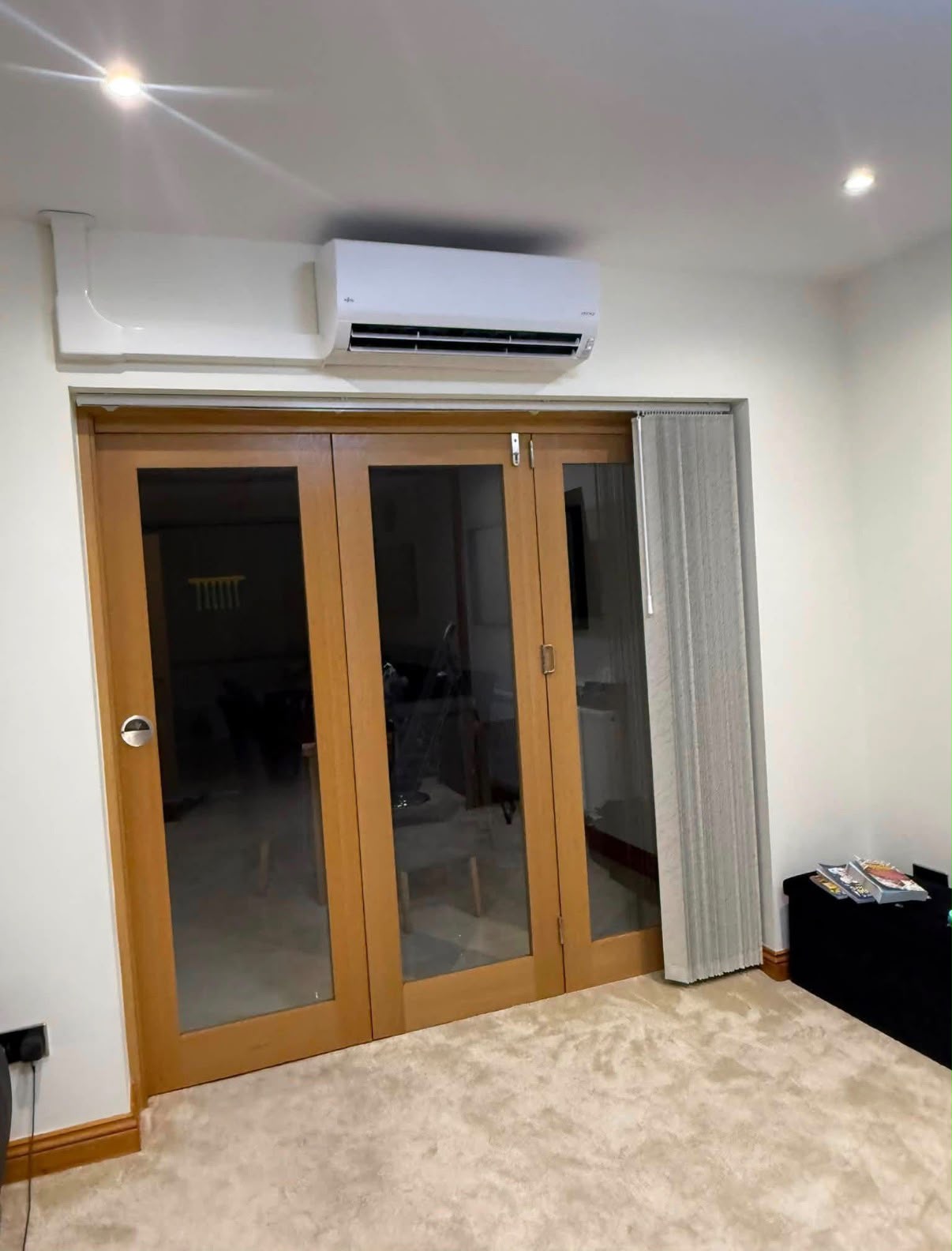
The installer must also think about where the pipework will leave the building. A neat and sensible route can make a big difference to the finished appearance.
This stage is often overlooked by people researching how to install air conditioning unit, but poor positioning can affect both appearance and performance.
A well planned installation should look neat while still allowing technicians to access the equipment for future maintenance.
Planning the Outdoor Unit Location
The outdoor unit has an important job because it releases heat removed from the indoor space.
When considering how to install air conditioning unit, the outdoor unit location needs just as much attention as the indoor unit.
It should be placed somewhere that allows suitable airflow and safe operation. The area should be practical for maintenance and should not create unnecessary problems for neighbours or people using the property.
Depending on the property, an outdoor unit may be mounted on suitable brackets or positioned at ground level on an appropriate base. The installation method depends on the equipment, building and site conditions.
The outdoor unit should not be squeezed into a restricted space where airflow is obstructed. Poor airflow can affect system performance and may increase the strain on the equipment.
Noise should also be considered, particularly where the unit is close to bedrooms, neighbouring properties or areas used by customers.
Planning Pipework and Drainage
Pipework is another major part of how to install air conditioning unit.
A split air conditioning system normally requires connections between the indoor and outdoor units. The route needs to be planned before installation so that the finished system is neat and practical.
The installer must also provide suitable condensate drainage. During cooling, moisture can collect as part of the system’s normal operation. That water needs to be safely managed so it does not cause leaks or damage to the property.
Poorly planned drainage can lead to water dripping from the indoor unit, damp patches or damage to walls and ceilings.
Pipework should be protected and routed carefully, with the design taking account of the property and the manufacturer’s requirements.
This is another reason why professional installation is recommended. The finished appearance matters, but the hidden work behind the system also affects its long term reliability.
Mounting the Indoor Unit
The indoor unit is positioned according to the site assessment and manufacturer’s installation requirements.
The mounting plate or support system must be securely fixed. The unit needs to be correctly positioned to support good airflow and allow access for maintenance.
The engineer will also consider the route for refrigerant lines, drainage and electrical connections.
A poorly mounted indoor unit may create avoidable problems later. It can affect appearance, stability, airflow or access for servicing.
The exact fixing method depends on the wall type and equipment. For that reason, installation should not be treated as a simple DIY wall mounting job.
Installing the Outdoor Unit
Once the indoor position and connection route have been established, the outdoor unit can be installed in the planned location.
The support arrangement must be suitable for the weight and operating conditions of the equipment. The unit needs adequate clearance for airflow and access.
Vibration should also be considered. Correct support can help prevent unnecessary movement and noise during operation.
The installer should make sure the outdoor unit is protected from obvious installation risks while still being exposed to the airflow it needs to work correctly.
Every outdoor installation is different. A ground mounted unit, wall mounted unit and rooftop arrangement each present their own considerations.
Connecting the Indoor and Outdoor Units
The next stage in understanding how to install air conditioning unit is making the required connections between both units.
These can include refrigerant pipework, electrical connections and condensate drainage.
This part of the installation is especially important because mistakes can lead to poor cooling, refrigerant leaks, electrical faults or water damage.
Refrigerant work should be completed by an appropriately qualified person using the correct equipment and methods. In the UK, F Gas rules apply to relevant refrigeration and air conditioning work.
Electrical work must also be completed safely and in line with the applicable requirements for the property and equipment.
A professional engineer will follow the manufacturer’s installation instructions and check the system carefully rather than treating every model as the same.
Testing the Air Conditioning Unit
Testing is an essential part of how to install air conditioning unit.
Once installation is complete, the system should be checked before it is handed over to the customer.
The engineer can inspect the connections, drainage, airflow, controls and overall operation. The system should be checked in the relevant modes to make sure it is functioning as expected.
Temperature performance should be assessed, while unusual sounds, vibration or signs of leakage should also be investigated.
The customer should also understand the basic controls. This may include setting the temperature, selecting cooling or heating mode, adjusting fan speed and using a timer where available.
A good handover gives the customer confidence and helps prevent simple operating mistakes.
Common Installation Problems
Understanding how to install air conditioning unit also means understanding what can go wrong.
Incorrect system sizing is one common problem. If the equipment is poorly matched to the room, the customer may not get the expected level of comfort.
Poor indoor positioning can affect airflow. An outdoor unit installed where airflow is restricted can also reduce system performance.
Another issue is poor condensate drainage. If the drainage route is not planned properly, water may leak into the property.
Poor pipe routing can create an untidy finish and make future servicing harder. In some cases, poor installation can also contribute to refrigerant leaks or repeated system faults.
Electrical faults are another reason to use a properly qualified installer.
Sometimes the issue is not with the equipment itself but with the installation conditions. A professional inspection can help identify the real cause rather than replacing parts without understanding the problem.
For existing systems that are not working properly, Birmingham Refrigeration & Air Conditioning also provides Air Conditioning Repairs & Servicing.
Why Professional Installation Is Important
Many people searching for how to install air conditioning unit are interested in saving money by doing the work themselves.
The problem is that air conditioning installation involves more than basic fixing and wiring. Refrigeration systems have technical requirements, and incorrect installation can affect safety, performance, efficiency and equipment life.
Professional installation also provides a better chance of identifying issues before they become expensive problems.
An experienced installer knows how to assess the room, choose suitable equipment, plan pipework, manage drainage and test the finished system.
There is also an important compliance consideration. Refrigerant systems containing certain gases are covered by UK F Gas requirements, so relevant work should be carried out by appropriately qualified personnel.
Using a professional also helps protect the property. Poor drilling, badly routed drainage or incorrect electrical work can create unnecessary damage.
At Birmingham Refrigeration & Air Conditioning, the team provides installation, repairs and maintenance for residential and commercial customers in Birmingham and surrounding areas. The company states that its engineers are F Gas qualified and that it works with both homes and commercial premises.
Air Conditioning Unit Installation in Birmingham
If you are searching for how to install air conditioning unit because you are planning a new system in Birmingham, it helps to consider the property first rather than choosing equipment in isolation.
Birmingham homes can have very different layouts, from traditional houses and flats to modern extensions and renovated properties. Businesses also have different needs. Offices, restaurants, shops, cafés and other commercial buildings may require different cooling arrangements.
A professional installation begins with understanding how the space is used.
For a bedroom, quiet operation and good airflow may be important. In an office, the installer may need to consider several occupants, computers and daily working hours. In a restaurant or retail environment, heat from equipment, doors, people and lighting can affect the cooling requirement.
Birmingham Refrigeration & Air Conditioning provides air conditioning installation across Birmingham and surrounding parts of the West Midlands for residential and commercial properties. The company works with customers looking for new installations, replacement systems and upgraded cooling solutions.
You can learn more about the company’s professional air conditioning installation in Birmingham before arranging an assessment.
What Happens After Installation?
Learning how to install air conditioning unit should not stop once the system is switched on.
Regular servicing and maintenance can help keep an air conditioning system operating properly. Filters, coils, drainage and other components can collect dirt or develop problems over time.
A neglected system may become less effective and can develop faults that could have been found earlier.
Regular checks are particularly important in commercial properties where air conditioning may operate for long hours.
Birmingham Refrigeration & Air Conditioning also provides Refrigeration & AC Maintenance for customers who want ongoing care after installation.
Keeping records of servicing and responding to unusual noises, smells, leaks or changes in cooling performance can also help identify problems early.
How Air Conditioning Works
It can help to understand the basic principle behind the equipment when researching how to install air conditioning unit.
An air conditioner moves heat from one place to another. During cooling, the indoor side absorbs heat from the room and the outdoor side releases that heat outside.
The refrigeration cycle uses refrigerant to transfer heat through the system. The indoor unit circulates treated air through the room while the outdoor unit handles the heat rejection process.
A useful overview of air conditioning technology can be found on Wikipedia’s air conditioning page.
Understanding this basic process also explains why both the indoor and outdoor units are important. They work together as one system, which is why installation must consider the whole setup rather than one unit alone.
Can You Install Air Conditioning in an Existing Home?
Yes, air conditioning can often be installed in an existing home.
However, the installer needs to inspect the building first. Wall construction, room layout, available outdoor space, electrical requirements and the route for pipes and drainage all need to be considered.
An existing property may need a different installation approach from a new build.
Homeowners may choose air conditioning for bedrooms, living rooms, home offices, extensions or other areas where better temperature control is needed.
The best system depends on the property rather than simply the room name.
Can One Outdoor Unit Serve Multiple Rooms?
In some systems, one outdoor unit can work with multiple indoor units.
This can be useful where several rooms need air conditioning but the property owner wants a coordinated system.
The suitability of a multi split arrangement depends on the building, required cooling capacity, number of indoor units, pipe routes and equipment specifications.
A professional assessment can determine whether a multi room approach makes sense or whether separate systems would be more suitable.
How Long Does Air Conditioning Installation Take?
Installation time varies depending on the type of system and the property.
A straightforward single room system may be relatively quick to install, while a larger commercial project can take considerably longer.
The condition of the building, access, pipe routes, outdoor unit position, number of indoor units and electrical requirements all affect the installation.
It is better to plan for the work properly rather than rushing the job. A clean installation with careful testing is more important than simply finishing as quickly as possible.
Is Air Conditioning Suitable for Businesses?
Yes. Commercial air conditioning is widely used in offices, shops, restaurants, cafés, hotels and many other workplaces.
Businesses often need more than basic cooling. Temperature control can affect comfort for staff and customers, while some equipment and working environments have their own temperature requirements.
Commercial installations can also be more complex because several rooms may need cooling at the same time.
Birmingham Refrigeration & Air Conditioning works with commercial premises across Birmingham and the wider West Midlands, providing installation, repairs and maintenance.
Frequently Asked Questions
What is the best way to install an air conditioning unit?
The best approach is to have the property assessed first, select a correctly sized system, plan the indoor and outdoor positions, route pipework and drainage correctly, and have the system installed and tested by a qualified professional.
Can I install an air conditioning unit myself?
Some basic tasks may appear simple, but a complete split system installation involves refrigeration and electrical work. These parts should be handled by appropriately qualified professionals.
How do I choose the right air conditioning unit?
The correct unit depends on room size, layout, insulation, windows, sunlight, occupancy, equipment and intended use. Professional sizing is more dependable than choosing a unit based only on room size.
Where should an indoor air conditioning unit be placed?
The indoor unit should have enough space for good airflow and servicing. Its position should also avoid unnecessary obstruction from walls, furniture or other objects.
Where should the outdoor air conditioning unit be placed?
The outdoor unit needs suitable airflow, safe support and practical access for maintenance. Noise, vibration and the distance from the indoor unit should also be considered.
Does an air conditioning unit need drainage?
Yes. Cooling can produce condensate, so the system needs suitable drainage to remove moisture safely.
Why is air conditioning installation more complicated than it looks?
A complete installation involves equipment selection, sizing, mounting, pipework, drainage, electrical connections, refrigerant work and system testing. Each part can affect the performance and reliability of the finished system.
Does air conditioning need maintenance after installation?
Regular servicing and maintenance can help keep the equipment working properly and identify developing faults. The required maintenance schedule depends on the system and how it is used.
Can air conditioning provide heating as well as cooling?
Many modern systems can provide both heating and cooling. The exact functions depend on the equipment selected.
Who can help with air conditioning installation in Birmingham?
Birmingham Refrigeration & Air Conditioning provides air conditioning installation, repairs, servicing and maintenance for residential and commercial customers across Birmingham and surrounding areas.
Knowing how to install air conditioning unit is useful because it helps property owners understand what professional installation involves.
The process starts with selecting the right system and checking the room. The indoor and outdoor positions then need to be planned carefully, followed by pipework, drainage and electrical considerations. Once the units are connected, the system needs thorough testing before use.
The quality of the installation can have a major effect on comfort, reliability and long term performance.
For Birmingham homeowners and businesses, Birmingham Refrigeration & Air Conditioning offers professional air conditioning installation along with repair, servicing and maintenance support. The company works with residential and commercial properties across Birmingham and surrounding areas.
Ready to plan your next air conditioning installation? Visit the Air Conditioning Installation Birmingham page or contact Birmingham Refrigeration & Air Conditioning to discuss your property and installation requirements.