

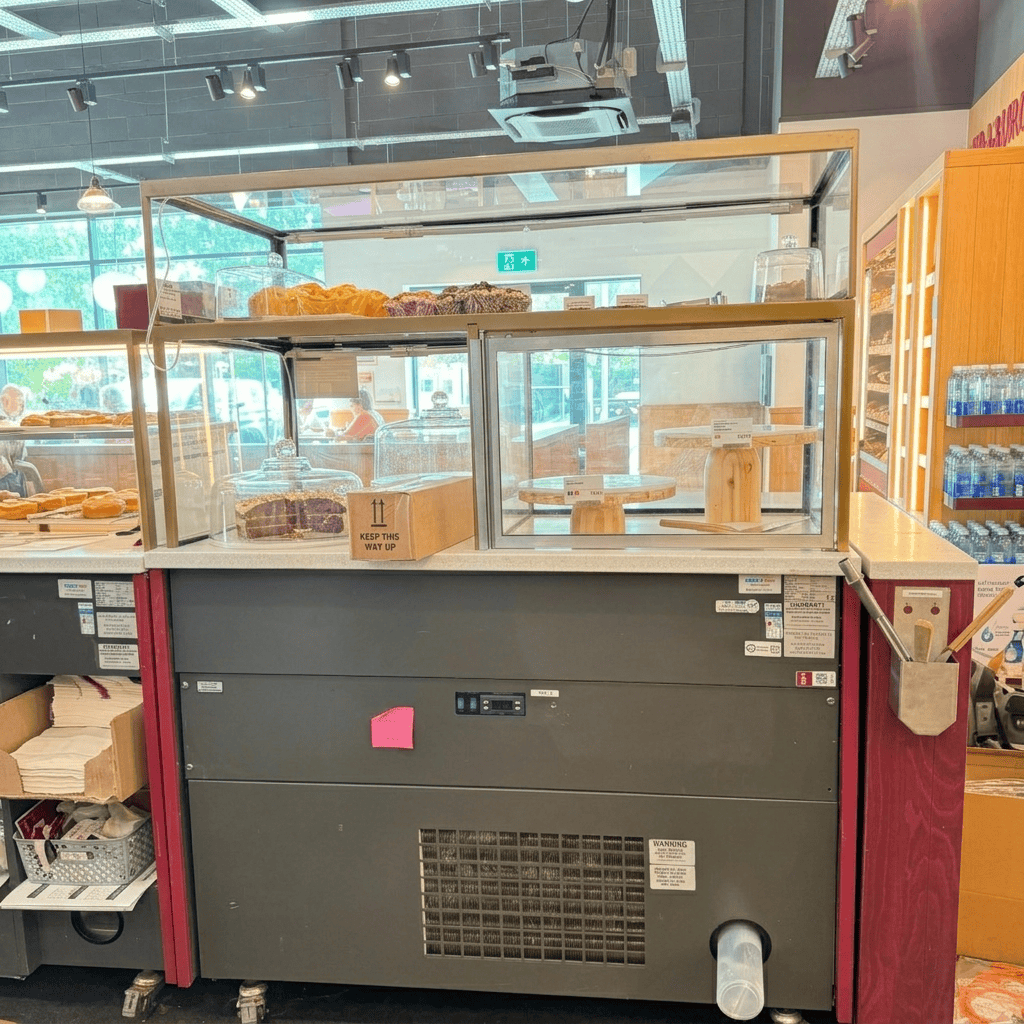
A damaged plug on a commercial refrigerator should be checked by a qualified electrician or a competent commercial refrigeration engineer, depending on the problem. If the issue is limited to the plug, fuse, socket or supply cable, an electrician is usually the right person. If the refrigerator is also tripping, overheating, making unusual sounds or failing to cool, a refrigeration engineer may need to inspect the appliance as well.
Knowing who should change a plug on a commercial refrigerator can help protect your staff, your stock and your business premises. A faulty plug can cause electric shock, fire, compressor damage and food spoilage.
Commercial fridges work for long hours and often operate in busy kitchens, shops, cafés, restaurants, supermarkets and food preparation areas. Their plugs and cables may be exposed to heat, moisture, grease, cleaning chemicals and constant movement. This makes regular inspection important.
If your business is in Birmingham, Birmingham Refrigeration & Air Conditioning can help with commercial refrigeration repairs, electrical fault finding and emergency callouts. You can also visit the company’s commercial refrigeration service page or refrigeration and air conditioning repairs page for further support.
Why Commercial Refrigerator Plugs Matter
The plug supplies electricity to the refrigerator’s compressor, fans, lights, heaters, controls and other components. A poor connection can affect the full refrigeration system.
A commercial refrigerator may appear to be working while a damaged plug is slowly creating a serious risk. For example, a loose wire inside the plug can cause heat to build up. A cracked plug body may allow moisture to reach live parts. A damaged cable can expose the conductors and create a shock hazard.
The plug must match the electrical requirements of the refrigerator. The fuse rating must also be suitable. A plug that is incorrectly wired or fitted with the wrong fuse can damage the appliance and increase the risk of fire.
This is why the answer to who should change a plug on a commercial refrigerator should always consider the condition of the appliance, cable, socket and electrical circuit.
A commercial refrigerator is not the same as a small domestic appliance. It may have a larger compressor, higher starting current and a dedicated supply. Some units may also be connected through isolators, control panels or specialist refrigeration systems.
Signs a Refrigerator Plug Needs Attention
Businesses should stop using a refrigerator if the plug or cable shows visible damage. Warning signs include:
- Cracks in the plug casing
• Loose or bent pins
• Black marks or burn marks
• A smell of melting plastic
• Sparks when the plug is inserted
• A plug that feels hot
• A cable with cuts or exposed wires
• Loose wiring near the plug
• A plug that falls out of the socket
• Repeated fuse failure
• Buzzing or crackling sounds
• The refrigerator switching off unexpectedly
A warm plug should never be ignored. Some warmth may come from normal operation, but a hot plug can indicate resistance, poor contact, an overloaded circuit or an internal fault.
Water and electricity are especially dangerous in commercial kitchens. If the plug has been exposed to water, switch off the supply if it is safe to do so and arrange a professional inspection.
Damaged Plugs and Electrical Safety
Never touch a damaged plug with wet hands. Do not pull the cable to remove the plug. Hold the plug body and disconnect it only if there is no immediate danger.
If there are sparks, smoke, burning smells or signs of fire, move people away from the area and call the emergency services if necessary. Do not continue using the refrigerator by taping over the damage or pushing the plug into a loose socket.
A damaged plug may be connected to a wider electrical problem. The socket could be worn, the circuit could be overloaded or the refrigerator could have an internal short circuit.
Businesses should keep the area clear and prevent staff from using the appliance until it has been checked. Food should be moved to a safe working refrigerator or cold room if the temperature is rising.
For general background on plug and socket safety, businesses can read the Wikipedia guide to electrical plugs and sockets. Professional inspection is still required for any live commercial electrical fault.
Can You Change a Commercial Refrigerator Plug Yourself?
Many people ask who should change a plug on a commercial refrigerator because changing a plug may look simple. In a commercial environment, it is safer to use a qualified professional unless the person carrying out the work is properly trained and authorised.
A plug replacement involves more than attaching wires. The person doing the work must:
- Confirm that the power is isolated
• Identify the correct cable conductors
• Connect the live, neutral and earth wires correctly
• Fit the right fuse
• Secure the cable grip
• Check for damaged insulation
• Test the plug and cable
• Confirm that the socket and supply are safe
Incorrect wiring can make the refrigerator casing dangerous to touch. It can also cause the fuse to blow, damage the compressor or create a fire risk.
A business owner should not allow an untrained employee to replace the plug during a busy shift. Commercial workplaces also have responsibilities for employee safety, equipment safety and safe systems of work.
If the refrigerator is under warranty, an unauthorised repair may also affect warranty support. Always check the manufacturer’s instructions and your business insurance requirements.
When an Electrician May Be Needed
A qualified electrician is usually required when the issue involves the electrical supply rather than the refrigeration system.
Contact an electrician when:
- The plug is damaged
• The cable needs replacing
• The socket is loose or burnt
• The fuse keeps blowing
• The circuit breaker trips
• The supply is overloaded
• The isolator switch is damaged
• The refrigerator has no electrical power
• There is a suspected wiring fault
• Several appliances are affected
An electrician can test the socket, cable, circuit and protective devices. They can also identify problems such as poor earthing, loose connections, insulation damage or an overloaded circuit.
If the refrigerator keeps tripping the power after a new plug is fitted, changing the plug again will not solve the cause. The electrician may need to test the appliance and the circuit together.
When deciding who should change a plug on a commercial refrigerator, choose someone who understands commercial premises and can provide suitable testing records where required.
When a Refrigeration Engineer Should Be Called
A refrigeration engineer should be called when the plug problem is linked to the operation of the refrigerator.
Contact a refrigeration engineer if:
- The unit trips after the compressor starts
• The refrigerator is not reaching the correct temperature
• The compressor is noisy
• The fans are not working
• The unit repeatedly starts and stops
• The cabinet is warm inside
• Ice is building up in the wrong place
• The display shows an error code
• The plug is overheating during operation
• The appliance has a burnt electrical smell
A refrigeration engineer can inspect the compressor, fan motors, thermostats, relays, capacitors, controllers and other components. They can also identify whether the electrical problem is being caused by a failing refrigeration component.
Birmingham Refrigeration & Air Conditioning provides fault finding and system diagnostics for commercial refrigeration and air conditioning equipment. This type of inspection can help prevent repeated breakdowns and unnecessary part replacement.
Checking the Cable and Plug
A professional inspection should include the complete power connection, not only the plug head.
The cable should be checked for cuts, crushing, stretching and heat damage. It should not be trapped under the refrigerator or pressed against a hot surface. Cables should also be kept away from standing water and cleaning areas.
The plug should be checked for:
- Correct wiring
• A secure cable grip
• Correct fuse rating
• Firm pins
• Heat damage
• Signs of arcing
• Cracks or loose parts
The socket should also be inspected. A good plug cannot make an unsafe socket safe. If the socket is loose, damaged or discoloured, it may need to be replaced by an electrician.
Where a refrigerator is moved regularly for cleaning, the cable may become strained. Staff should move the appliance carefully and avoid pulling it by the cable.
What to Do if the Refrigerator Keeps Tripping
Repeated tripping is a warning that something needs investigation. Do not keep resetting the breaker and switching the refrigerator back on.
First, protect staff and food stock. If it is safe, isolate the appliance and record the time and circumstances of the trip. Note whether it trips immediately, when the compressor starts or after running for several minutes.
Common causes include:
- A short circuit
• A failing compressor
• A damaged cable
• Water entering an electrical component
• A faulty capacitor
• A defective fan motor
• A damaged plug or socket
• An overloaded circuit
• A failed defrost heater
• An internal control fault
The correct answer to who should change a plug on a commercial refrigerator may be both an electrician and a refrigeration engineer when repeated tripping is involved. The electrician can test the electrical supply, while the refrigeration engineer can test the appliance.
Why Extension Leads Can Cause Problems
Commercial refrigerators should normally be connected directly to a suitable fixed socket. Extension leads and basic multi socket adaptors can create several problems.
An extension lead may:
- Be too thin for the appliance load
• Overheat during compressor start up
• Be damaged by water or cleaning chemicals
• Create a trip hazard
• Have loose connections
• Be connected to too many appliances
• Prevent proper earthing
• Cause voltage drop
A refrigerator may run for many hours, so a temporary extension lead can become warm over time. Refrigeration equipment also creates a starting surge when the compressor switches on.
If an extension lead is being used because the normal socket is too far away, ask a qualified electrician to install a suitable outlet. This provides a safer long term solution.
Electrical Safety in Commercial Kitchens
Commercial kitchens combine electricity, water, heat, metal surfaces and busy working conditions. Refrigerators, freezers, display counters and cold rooms must be maintained carefully.
Good safety practice includes:
- Keep plugs and sockets away from water
• Do not wash electrical parts with a hose
• Keep cables clear of walkways
• Do not use damaged plugs
• Do not overload sockets
• Train staff to report faults
• Keep electrical panels accessible
• Arrange regular equipment maintenance
• Record repairs and inspections
• Isolate faulty equipment quickly
Cleaning staff should know which parts can be cleaned and which parts must stay dry. A refrigerator should never be moved or cleaned around electrical connections without proper care.
Businesses should also follow their workplace safety procedures and equipment manufacturer guidance.
What Businesses Should Do Before Calling an Engineer
Before calling for help, collect useful information. This can help the engineer prepare the correct tools and parts.
Record:
- The make and model of the refrigerator
• The location of the equipment
• What happened before the fault
• Whether the plug is hot or damaged
• Whether the breaker has tripped
• Whether other appliances are affected
• The current cabinet temperature
• Any error code on the display
• Whether food stock is at risk
Take a clear photograph of the plug and cable if it is safe to do so. Do not touch exposed wiring or move a damaged appliance.
Tell the engineer whether the refrigerator is in a restaurant, shop, café, food factory, school, hotel or other commercial premises. Access requirements and food safety concerns may affect the response.
For urgent problems, Birmingham Refrigeration & Air Conditioning offers 24 hour emergency callouts for businesses in Birmingham and surrounding areas.
Commercial Refrigeration Repairs in Birmingham
A faulty plug can stop a commercial refrigerator from operating at the worst possible time. A warm display cabinet can affect customer confidence, while a failed storage refrigerator can put food stock at risk.
Birmingham Refrigeration & Air Conditioning supports businesses across Birmingham with commercial refrigeration installation, repairs, maintenance and fault finding. The company also provides support for cold rooms, refrigeration systems and air conditioning equipment.
When you need to know who should change a plug on a commercial refrigerator, professional advice can prevent a small electrical fault from becoming a major breakdown. The engineer can assess the plug, cable, socket and appliance before recommending the safest repair.
Businesses can request help through the contact page or ask for a free estimate.
Preventing Electrical Problems
Regular maintenance is one of the best ways to reduce plug and cable problems. During a service visit, the engineer can inspect the electrical connection, clean accessible components and check the operation of the refrigeration system.
Businesses should also:
- Inspect plugs during daily opening checks
• Keep cables away from heat and water
• Avoid dragging refrigerators across the floor
• Replace damaged equipment quickly
• Keep ventilation areas clear
• Arrange planned maintenance
• Monitor refrigerator temperatures
• Avoid unauthorised repairs
• Keep records of faults and repairs
• Make sure staff know who to contact
A preventive maintenance plan may identify a loose plug, worn cable or overheating component before it causes a full breakdown. Birmingham Refrigeration & Air Conditioning provides preventative maintenance contracts for commercial equipment.
Frequently Asked Questions
Who should change a plug on a commercial refrigerator?
A qualified electrician should change the plug when the problem is with the plug, cable, socket or electrical supply. A commercial refrigeration engineer should inspect the appliance if it is also tripping, overheating or failing to cool.
Can a restaurant employee replace the plug?
Only if the employee is properly trained, competent and authorised to carry out the work. In most commercial settings, using a qualified electrician is the safer choice.
Why is my refrigerator plug hot?
A hot plug may be caused by a loose connection, damaged cable, poor socket contact, incorrect fuse or an appliance fault. Stop using the refrigerator and arrange a professional inspection.
Should I use an extension lead for a commercial fridge?
A temporary extension lead may create overheating, voltage drop and trip hazards. A qualified electrician should install a suitable fixed socket wherever possible.
Why does the refrigerator trip the breaker?
Possible causes include a compressor fault, damaged cable, faulty fan motor, water entry, defective component, overloaded circuit or damaged plug. Both an electrician and refrigeration engineer may be needed.
Can a new plug fix a refrigerator that is not cooling?
A new plug may restore power if the old plug was faulty. However, if the compressor, thermostat, fan, controller or refrigerant system has a fault, the refrigerator will need refrigeration repairs.
Is a burnt plug dangerous?
Yes. A burnt plug may indicate overheating, arcing or a poor electrical connection. Do not continue using it. Isolate the equipment if safe and contact a qualified professional.
Who should change a plug on a commercial refrigerator in Birmingham?
For electrical plug and socket work, contact a qualified electrician. For refrigeration faults and commercial fridge repairs, contact Birmingham Refrigeration & Air Conditioning for professional assistance across Birmingham.
How quickly should a damaged plug be replaced?
It should be replaced before the refrigerator is used again. Delaying the repair may cause fire, electric shock, food loss or further damage to the appliance.
What information should I provide when booking a repair?
Provide the refrigerator make and model, business location, fault symptoms, plug condition, breaker activity and whether the appliance is storing food that may be at risk.
Get Help With a Commercial Refrigerator Plug
If you are unsure who should change a plug on a commercial refrigerator, do not take chances with staff safety or valuable stock. A professional inspection can identify whether the problem is electrical, mechanical or related to the refrigeration system.
For commercial refrigeration repairs, fault finding and emergency support in Birmingham, contact Birmingham Refrigeration & Air Conditioning today.
Call now for dependable commercial refrigeration support in Birmingham and request a free estimate.