

When a commercial cold store stops cooling properly, the problem needs attention from a trained refrigeration engineer. A standard domestic appliance technician may not have the knowledge, equipment, or safety training needed for a large commercial refrigeration system.
So, who repairs coldstore fridges? The right professional is a commercial refrigeration engineer who understands cold rooms, walk in freezers, display refrigeration, compressors, evaporators, condensers, refrigerant circuits, fans, controls, and temperature monitoring systems.
For businesses in Birmingham, Birmingham Refrigeration & Air Conditioning provides professional support for cold store faults, refrigeration breakdowns, refrigerant leaks, compressor problems, electrical faults, and planned maintenance.
If your cold store is not holding the correct temperature, contact an experienced engineer as soon as possible. A quick repair can protect stock, reduce energy waste, and prevent a small fault from becoming a major business expense.
Who Repairs Coldstore Fridges?
The people who repair coldstore fridges are usually qualified commercial refrigeration engineers. They work on systems used by restaurants, supermarkets, food wholesalers, pharmacies, catering companies, hotels, warehouses, care homes, and food production businesses.
A professional engineer can inspect and repair:
- Cold rooms
- Walk in fridges
- Walk in freezers
- Commercial freezers
- Refrigerated counters
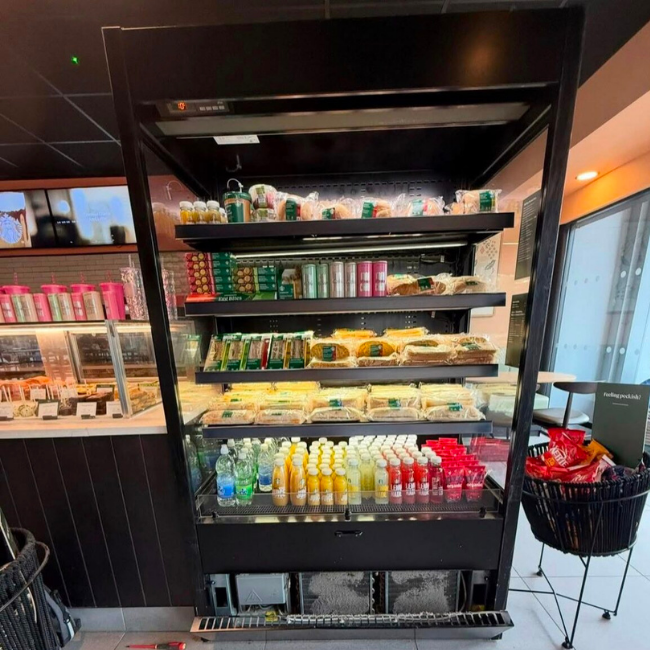
- Display fridges
- Blast chillers
- Food storage systems
- Remote refrigeration systems
- Temperature control equipment
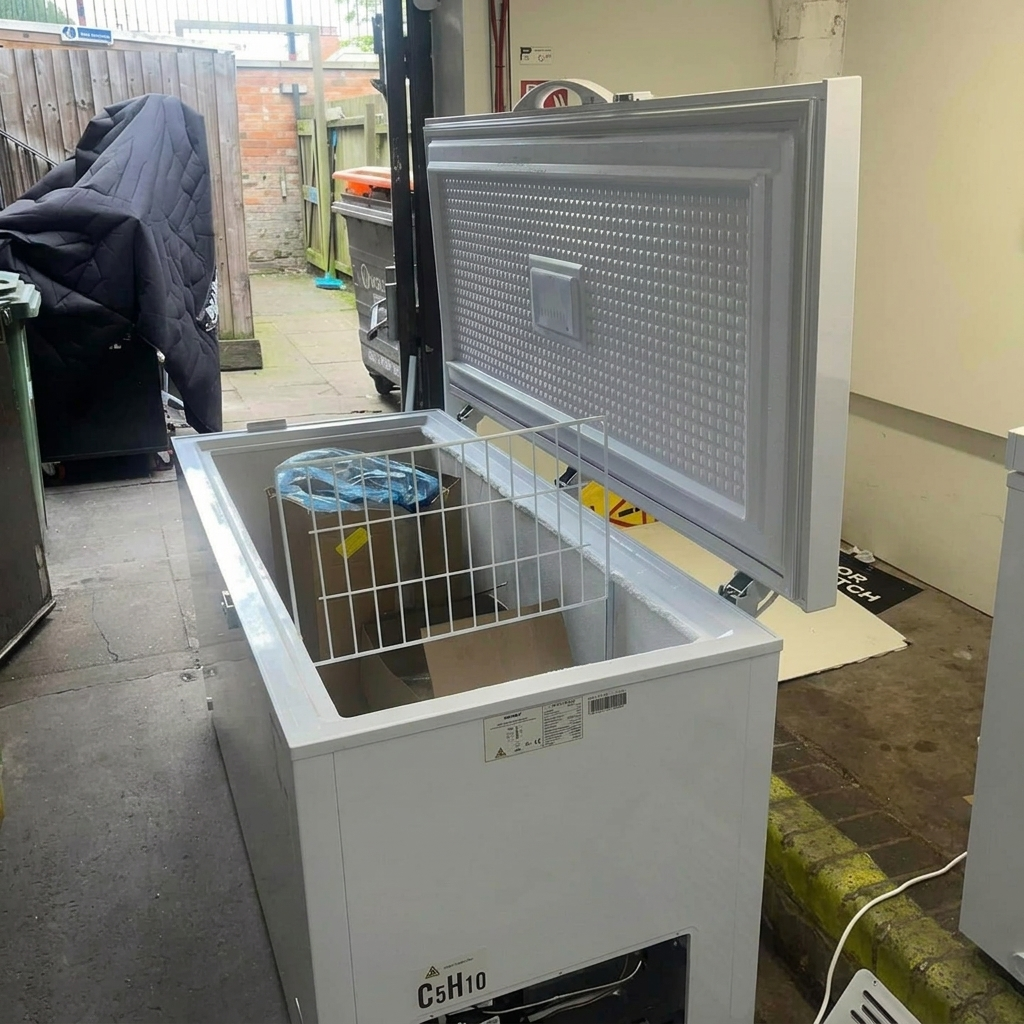
A commercial refrigeration engineer may also repair individual components, including the compressor, condenser coil, evaporator coil, expansion valve, thermostat, pressure switch, fan motor, door heater, control board, solenoid valve, and electrical connections.
At Birmingham Refrigeration & Air Conditioning, engineers use fault finding methods to identify the real cause of the problem. This is important because replacing one part without checking the full system may only provide a temporary solution.
You can learn more about professional refrigeration and air conditioning repairs before arranging a site visit.
What Is a Commercial Cold Store?
A commercial cold store is an insulated room or enclosure designed to keep products at a controlled low temperature. It is larger and more powerful than a household fridge. The system is built for regular use and may need to operate continuously throughout the day and night.
Cold stores are used to protect:
- Fresh meat and poultry
- Fish and seafood
- Dairy products
- Fruit and vegetables
- Frozen foods
- Medicines and medical supplies
- Flowers and plants
- Catering ingredients
- Drinks and packaged food
The correct temperature depends on the products being stored. A chilled food room may operate above freezing, while a freezer room must remain below zero. Some businesses also use specialist rooms for deep freezing, rapid chilling, or controlled storage.
The walls, floor, ceiling, doors, lighting, drainage, refrigeration equipment, and monitoring systems all work together. If one part fails, the temperature may rise and affect the safety or quality of the stored products.
For general background, you can read about refrigeration on Wikipedia.
How Cold Storage Refrigeration Works
A cold store refrigeration system removes heat from inside the room and releases it outside. It does not create cold air in the same way a fan creates airflow. Instead, it transfers heat through a refrigeration circuit.
The main parts include:
Compressor
The compressor moves refrigerant around the system. It raises the pressure and temperature of the refrigerant so that heat can be released through the condenser.
Condenser
The condenser removes heat from the refrigerant. It is usually located outside the cold room or in a plant area. Dirt, dust, poor airflow, or a faulty fan can reduce its performance.
Expansion valve
The expansion valve lowers the pressure of the refrigerant before it enters the evaporator. This allows the refrigerant to become cold enough to absorb heat from the storage room.
Evaporator
The evaporator is normally located inside the cold store. It absorbs heat from the air. Fans move air across the coil and circulate the cooled air around the room.
Controls and sensors
Thermostats, temperature sensors, pressure controls, timers, and electronic controllers help the system operate at the required temperature.
A fault in any of these parts can cause poor cooling, frost, noise, water leaks, high energy use, or a complete breakdown.
Common Cold Store Problems
Businesses often search who repairs coldstore fridges after noticing one of the following warning signs:
- The temperature is slowly rising
- The unit is running continuously
- The compressor is making unusual sounds
- Ice is building up on the evaporator
- Fans are not turning
- The door will not close correctly
- Water is leaking onto the floor
- The controller shows an alarm
- Food is spoiling faster than normal
- Electricity bills have increased
- The cold store is taking too long to recover after loading
- The system stops and starts repeatedly
Some faults are easy to see, while others require pressure testing, electrical testing, temperature checks, and refrigerant diagnosis.
A professional fault finding and system diagnostics service can help identify the cause before the damage becomes more serious.
Cold Store Not Reaching Temperature
A cold store that cannot reach its target temperature should be checked quickly. The cause may be simple, such as an open door, or more serious, such as a compressor failure.
Common causes include:
- Dirty condenser coils
- Low refrigerant charge
- Refrigerant leakage
- A faulty compressor
- Blocked airflow
- A damaged evaporator fan
- A failed temperature sensor
- Poor door seals
- Excessive product loading
- Warm products being placed inside
- Inadequate insulation
- Incorrect controller settings
- A faulty expansion valve
The engineer should first confirm the actual room temperature with a reliable thermometer. The reading on the controller may be inaccurate if the sensor is damaged or badly positioned.
The engineer will then inspect the airflow, condenser, evaporator, pressure readings, electrical components, door condition, and system controls. This process helps prevent unnecessary part replacement.
Do not keep adding warm stock to a cold store that is already struggling. It increases the workload on the system and may place existing products at risk.
Ice and Frost Problems
A small amount of frost can be normal in some refrigeration systems. Heavy ice, however, usually indicates a fault or a maintenance problem.
Ice may form because of:
- A failed defrost heater
- A blocked drain
- A faulty defrost timer
- A damaged door seal
- Frequent door opening
- High humidity
- Poor airflow
- A failed fan
- Low refrigerant
- A sensor or controller fault
When ice covers the evaporator coil, air cannot move through it properly. The system then works harder while producing less cooling. The compressor may run for long periods, increasing energy use and wear.
Do not use sharp tools to remove ice from an evaporator coil. This can damage the coil and release refrigerant. Switch the system off only if it is safe to do so, protect the stock, and call a trained engineer.
Door and Seal Problems
Cold store doors are opened frequently in busy workplaces. Over time, hinges, catches, handles, seals, strip curtains, and door heaters can become damaged.
A poor door seal allows warm air to enter the room. This increases moisture, causes frost, raises running costs, and makes it harder for the refrigeration system to maintain temperature.
Signs of a door problem include:
- Visible gaps around the frame
- Torn or loose rubber seals
- Condensation near the doorway
- Ice around the door
- A door that does not close by itself
- Damaged hinges
- A broken latch
- Excessive cold air escaping
The engineer may adjust the door, replace the seal, repair the hinges, or recommend a new door assembly. Staff should also be trained to keep the door closed whenever possible.
Refrigerant Problems
Refrigerant is a key part of the cooling process. If the system loses refrigerant, it may stop cooling correctly. Low refrigerant is usually a sign of a leak rather than normal use.
Possible signs include:
- Poor cooling
- Long running times
- Ice on only part of the evaporator
- Hissing sounds
- Oil marks around pipe joints
- Repeated low pressure alarms
- Compressor overheating
Refrigerant work should only be completed by a suitably qualified professional. Simply adding more refrigerant without finding the leak is not a proper repair.
Birmingham Refrigeration & Air Conditioning provides leak detection and refrigerant repairs for commercial refrigeration systems in Birmingham and nearby areas.
Fan and Airflow Problems
Fans circulate air across the evaporator and condenser. If a fan stops working, the cold store may develop warm areas, uneven temperatures, or heavy frost.
Fan problems can be caused by:
- A failed fan motor
- Ice blocking the blades
- Loose wiring
- A damaged fan guard
- A faulty controller
- Dirt on the fan or coil
- Bearing wear
- A failed capacitor
Poor airflow may also be caused by storing boxes too close to the evaporator. Products should be arranged so that air can move freely around the room.
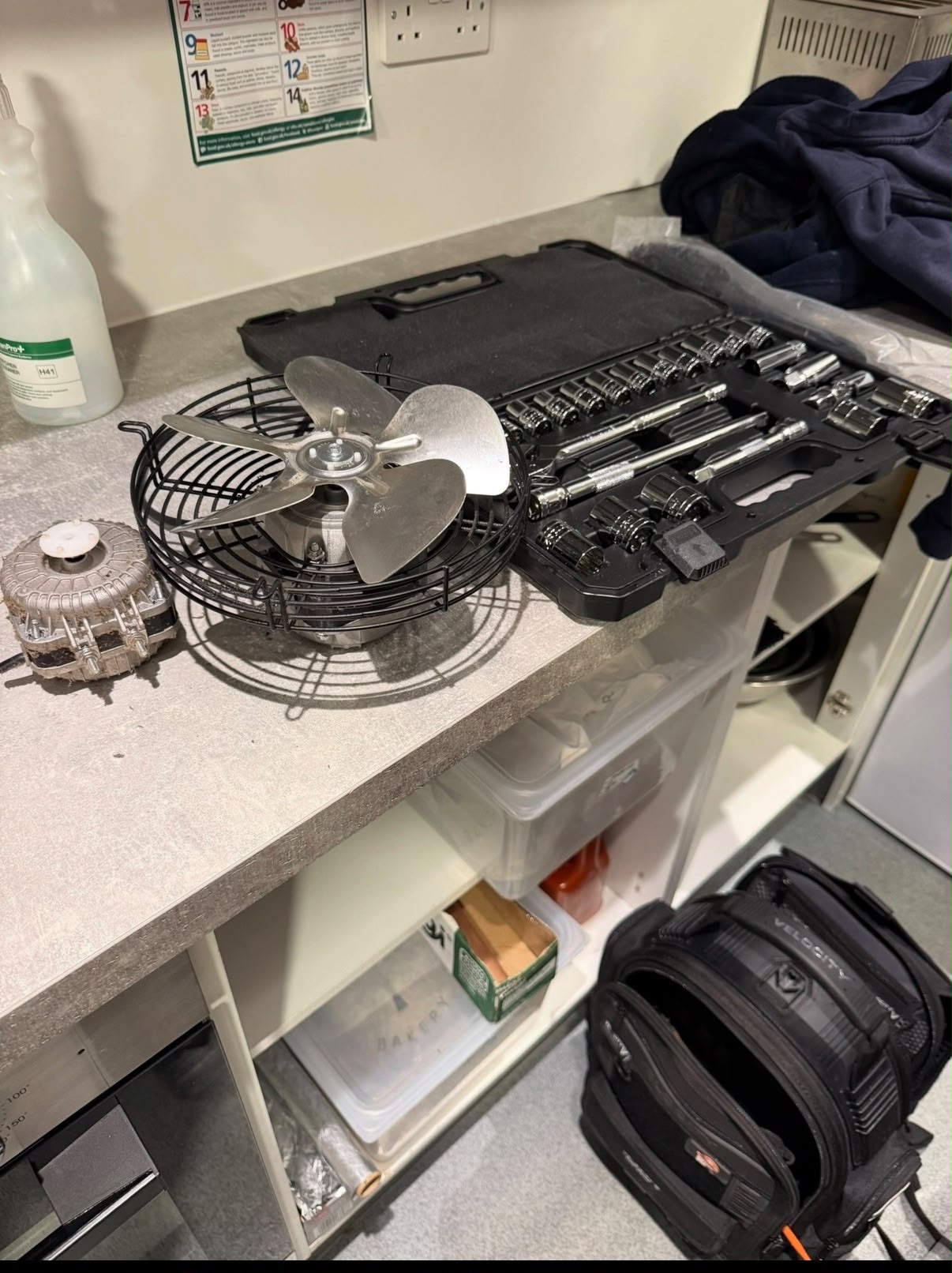
A refrigeration engineer can test the fan motor, inspect the wiring, remove obstructions, and replace damaged components.
Temperature Control Problems
Temperature controls help maintain a stable environment. A faulty sensor or controller may cause the system to switch off too early, run continuously, or show an incorrect reading.
Temperature control faults may involve:
- Broken sensors
- Incorrect calibration
- Loose wiring
- Controller failure
- Incorrect set points
- Damaged probes
- Alarm settings
- Defrost programming
- Communication faults
A proper repair includes checking the controller against an independent thermometer. Businesses that store food or medicine should keep accurate temperature records and investigate repeated alarms.
Why Cold Store Repairs Should Be Handled Quickly
Delaying a cold store repair can create serious problems for a business.
Stock loss
Food, medicines, and other temperature sensitive goods may become unsafe or unusable if the room remains outside the required range.
Higher energy bills
A failing system may operate constantly while delivering poor cooling. This increases electricity use and places more stress on the compressor.
Equipment damage
A small fan, control, or seal problem can eventually damage the compressor or other expensive components.
Business interruption
A failed cold room can delay deliveries, interrupt production, and prevent a business from serving customers.
Compliance concerns
Food businesses must maintain suitable storage conditions. Temperature failures may create record keeping and safety concerns.
If the problem happens outside normal working hours, Birmingham Refrigeration & Air Conditioning offers 24 hour emergency callouts in Birmingham.
Cold Store Maintenance
Regular maintenance helps identify faults before they become emergencies. A maintenance visit may include:
- Checking room temperature
- Testing system pressures
- Inspecting electrical connections
- Cleaning condenser coils
- Checking evaporator coils
- Testing fans
- Inspecting door seals
- Checking drain lines
- Testing defrost functions
- Reviewing alarms
- Checking insulation
- Inspecting refrigerant pipework
- Cleaning accessible components
- Reviewing energy performance
Businesses can arrange planned visits through a refrigeration and air conditioning maintenance service.
A maintenance plan is especially useful for companies that rely on refrigeration every day. Preventative maintenance contracts can help reduce unexpected breakdowns and make repair costs easier to plan.
Good daily practice also matters. Keep doors closed, avoid blocking air outlets, clean spills quickly, check alarms, record temperatures, and report unusual sounds or frost as soon as they appear.
Commercial Cold Store Repairs in Birmingham
Birmingham has a wide range of businesses that depend on commercial refrigeration. Restaurants, food suppliers, supermarkets, warehouses, care homes, pharmacies, hotels, and manufacturers all need dependable temperature control.
Birmingham Refrigeration & Air Conditioning provides support for commercial refrigeration systems across Birmingham and surrounding areas. The company can help with:
- Cold store repair
- Commercial fridge repair
- Walk in freezer repair
- Refrigeration fault diagnosis
- Refrigerant leak repair
- Compressor replacement
- Fan motor replacement
- Controller and sensor faults
- Emergency refrigeration callouts
- Planned maintenance
- Preventative service agreements
When a compressor or major component has failed, an engineer may recommend compressor and component replacement. The correct option will depend on the age, condition, design, and operating cost of the system.
If your business needs urgent support, contact Birmingham Refrigeration & Air Conditioning and explain the symptoms clearly. Useful information includes the room temperature, alarm code, equipment type, product stored, and time the fault began.
How to Choose a Cold Store Repair Engineer
When deciding who repairs coldstore fridges, look for a company with commercial refrigeration experience rather than a general handyman.
Consider the following points:
Commercial experience
Ask whether the engineer regularly repairs cold rooms, walk in freezers, food storage systems, and commercial refrigeration equipment.
Diagnostic ability
A good engineer should identify the cause of the fault instead of replacing parts without proper testing.
Refrigerant qualifications
Refrigerant handling requires suitable training and responsible working practices.
Emergency support
A breakdown can happen at any time. Check whether the company provides emergency callouts.
Maintenance options
Planned maintenance can reduce breakdowns and improve system performance.
Clear communication
The engineer should explain the fault, recommended repair, expected timescale, and likely cost in simple language.
Local coverage
A Birmingham based or Birmingham serving company can often respond more quickly and understand the needs of local businesses.
Frequently Asked Questions
Who repairs coldstore fridges?
A qualified commercial refrigeration engineer repairs coldstore fridges. They diagnose and repair compressors, evaporators, condensers, fans, controls, refrigerant circuits, doors, seals, and electrical components.
Can a normal fridge engineer repair a cold store?
Some domestic fridge engineers may not have the equipment or experience needed for a large commercial cold store. It is better to use an engineer who works with commercial refrigeration systems.
How do I know if my cold store needs repair?
Warning signs include rising temperature, heavy frost, unusual noise, water leaks, long running times, repeated alarms, poor airflow, and products becoming warmer than expected.
Why is my cold store running all the time?
Possible causes include a dirty condenser, refrigerant leak, poor door seal, blocked airflow, faulty sensor, heavy loading, inadequate insulation, or compressor trouble.
Is frost inside a cold store normal?
Light frost may be normal in some systems, but heavy ice usually indicates an airflow, defrost, door, refrigerant, or control problem.
How quickly can a cold store be repaired?
The time depends on the fault and whether replacement parts are needed. A simple seal, sensor, or fan repair may be completed quickly, while compressor or major system work may take longer.
Should I switch off a faulty cold store?
If it is safe, protect the stock and follow your business emergency procedure. Avoid opening the door repeatedly and contact a refrigeration engineer for advice.
Does Birmingham Refrigeration & Air Conditioning provide emergency repairs?
Yes. Birmingham Refrigeration & Air Conditioning provides commercial refrigeration support and emergency callouts in Birmingham and nearby areas.
How can I reduce cold store breakdowns?
Arrange regular maintenance, clean condenser coils, keep doors closed, inspect seals, avoid blocking airflow, record temperatures, and act quickly when alarms or unusual noises appear.
Who repairs coldstore fridges in Birmingham?
For businesses in Birmingham, Birmingham Refrigeration & Air Conditioning is a practical solution for cold store repairs, refrigeration diagnostics, refrigerant work, component replacement, emergency callouts, and preventative maintenance.
Get Help With Your Cold Store Today
A cold store problem can affect stock, safety, energy costs, and daily operations. Do not wait for a complete breakdown if the system is already showing warning signs.
If you are searching who repairs coldstore fridges, contact Birmingham Refrigeration & Air Conditioning for professional commercial refrigeration support in Birmingham. Speak to the team about your fault, arrange a diagnostic visit, or ask about a maintenance plan that helps keep your refrigeration system reliable.