

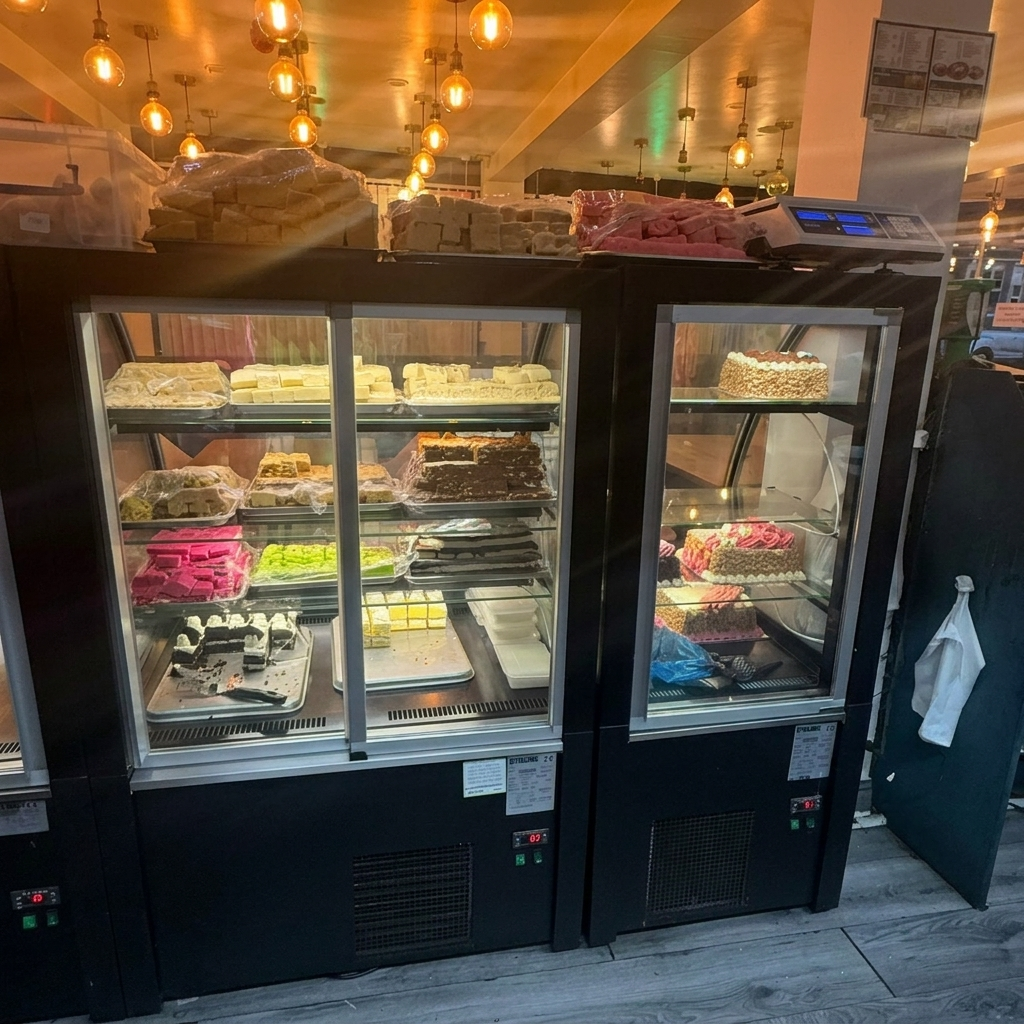
When a commercial refrigerator stops cooling properly, it can quickly become a serious problem for your business. Restaurants, supermarkets, cafés, hotels and food shops depend on reliable refrigeration to keep their products fresh and safe.
If you are wondering how to recharge a commercial refrigerator, the first thing to understand is that adding refrigerant is not always the answer. Poor cooling can have several causes, including a refrigerant leak, a faulty compressor, blocked airflow or a damaged thermostat.
A refrigerator normally keeps the same refrigerant circulating inside a sealed system. If the refrigerant level becomes low, there may be a leak that needs professional attention.
Birmingham Refrigeration & Air Conditioning provides commercial refrigeration repair, refrigerant leak detection and maintenance services throughout Birmingham and the surrounding West Midlands.
This guide explains how commercial refrigerator charging works, the warning signs to look for, the safety risks involved and when to contact a qualified refrigeration engineer.
How to Recharge a Commercial Refrigerator
How to Recharge a Commercial Refrigerator safely involves checking the cooling system, identifying any refrigerant leaks, repairing faults and adding the correct refrigerant charge using professional equipment.
Recharging is a technical service that should be carried out by someone with the appropriate training and qualifications.
A professional refrigeration engineer will normally examine the system before deciding whether refrigerant is actually needed.
The process may involve checking operating conditions, testing for leaks, repairing damaged components, recovering refrigerant where necessary, removing air and moisture from the system, and charging it according to the manufacturer’s instructions.
The amount of refrigerant must be correct. Adding too little can affect cooling performance, while adding too much may increase pressure and damage important components.
For business owners looking into how to recharge a commercial refrigerator, the safest approach is to arrange professional fault diagnosis rather than attempting to refill the system yourself.
Our commercial refrigeration services in Birmingham can help businesses identify cooling problems and arrange suitable repairs.
What Does Refrigerant Do?
Refrigerant is a substance that helps remove heat from the inside of a refrigerator.
It moves through a sealed circuit and changes between liquid and gas as the refrigeration system operates.
This continuous process allows the refrigerator to maintain a suitable internal temperature.
How the cooling cycle works
The compressor moves refrigerant through the system and increases its pressure.
The condenser releases heat into the surrounding air. The refrigerant then passes through a device that reduces its pressure before entering the evaporator.
Inside the evaporator, the refrigerant absorbs heat from the refrigerated space. It then returns towards the compressor, and the cycle continues.
You can learn more about this process through Wikipedia’s explanation of vapour compression refrigeration.
When the refrigerant charge is incorrect, the system may struggle to transfer heat effectively.
However, low refrigerant is only one possible reason for poor cooling.
Understanding how to recharge a commercial refrigerator begins with understanding how these components work together.
Signs a Commercial Refrigerator May Have Low Refrigerant
A refrigerator with insufficient refrigerant may show several warning signs. However, none of these symptoms confirms a refrigerant leak on its own.
The refrigerator is not cold enough
One common warning sign is that the internal temperature remains higher than expected.
Food, drinks or other products may not reach their required storage temperature, even when the refrigerator continues running.
The compressor runs for longer periods
A refrigeration system may run for extended periods when it cannot remove heat effectively.
You may notice that the compressor operates almost continuously without achieving the required temperature.
This can also happen because of dirty condenser coils, poor ventilation or other faults.
Ice appears in unusual places
A refrigerant problem can sometimes cause unusual frost patterns on the evaporator.
However, ice buildup may also result from poor airflow, faulty defrost controls or damaged door seals.
An engineer needs to assess the system to identify the actual cause.
Cooling becomes uneven
Some parts of the cabinet may feel colder than others.
Products near the evaporator might remain chilled while items elsewhere become warmer.
Restricted airflow and faulty fans are also common causes of uneven temperatures.
Energy consumption increases
A refrigeration system that operates inefficiently may use more electricity.
If your energy bills increase alongside poor cooling, it may be worth arranging a professional inspection.
If these symptoms appear, understanding how to recharge a commercial refrigerator can help you discuss the problem with an engineer. It does not mean that refrigerant should automatically be added.
Why Refrigerant Does Not Normally Simply Run Out
Many people assume that refrigerator gas needs replacing regularly, like fuel in a vehicle.
This is not how a refrigeration system works.
Commercial refrigerators are designed to operate with refrigerant circulating inside a sealed circuit.
The refrigerant does not normally get used up during operation.
If the system is correctly sealed and maintained, the refrigerant should remain inside rather than needing routine refilling.
Why can refrigerant levels become low?
Refrigerant may escape because of damaged pipework, loose connections, corrosion, vibration or leaks in refrigeration components.
Poor installation or previous repairs can sometimes contribute to leakage.
Even a small opening may gradually allow enough refrigerant to escape to affect cooling.
If a commercial fridge needs repeated charging, the underlying problem should be investigated.
A refrigerator that loses refrigerant every few months should not simply be topped up again without proper diagnosis.
Finding a Refrigerant Leak
Finding a leak is an important part of understanding how to recharge a commercial refrigerator correctly.
If refrigerant has escaped, an engineer needs to investigate where the loss occurred.
Common leak locations
Leaks can develop around pipe joints, service connections, evaporator coils, condenser coils and other parts of the refrigerant circuit.
Vibration can gradually affect connections, while corrosion may weaken older pipework.
Physical damage during cleaning, maintenance or moving equipment can also create problems.
How engineers detect leaks
Professional engineers may use electronic refrigerant leak detectors, suitable leak detection solutions and approved pressure testing methods.
The chosen method depends on the refrigerant, equipment design and suspected fault.
Pressure and temperature readings can provide useful diagnostic information, but they do not always identify the exact location of a leak.
What happens after finding a leak?
Once the damaged area has been identified, the engineer assesses whether it can be repaired.
Some faults involve a connection or replaceable component. Other problems may require more extensive repairs.
The repaired system must then be checked before returning it to normal operation.
Birmingham Refrigeration & Air Conditioning offers refrigerant leak detection and repairs for commercial refrigeration equipment.
Why Refrigerant Type Matters
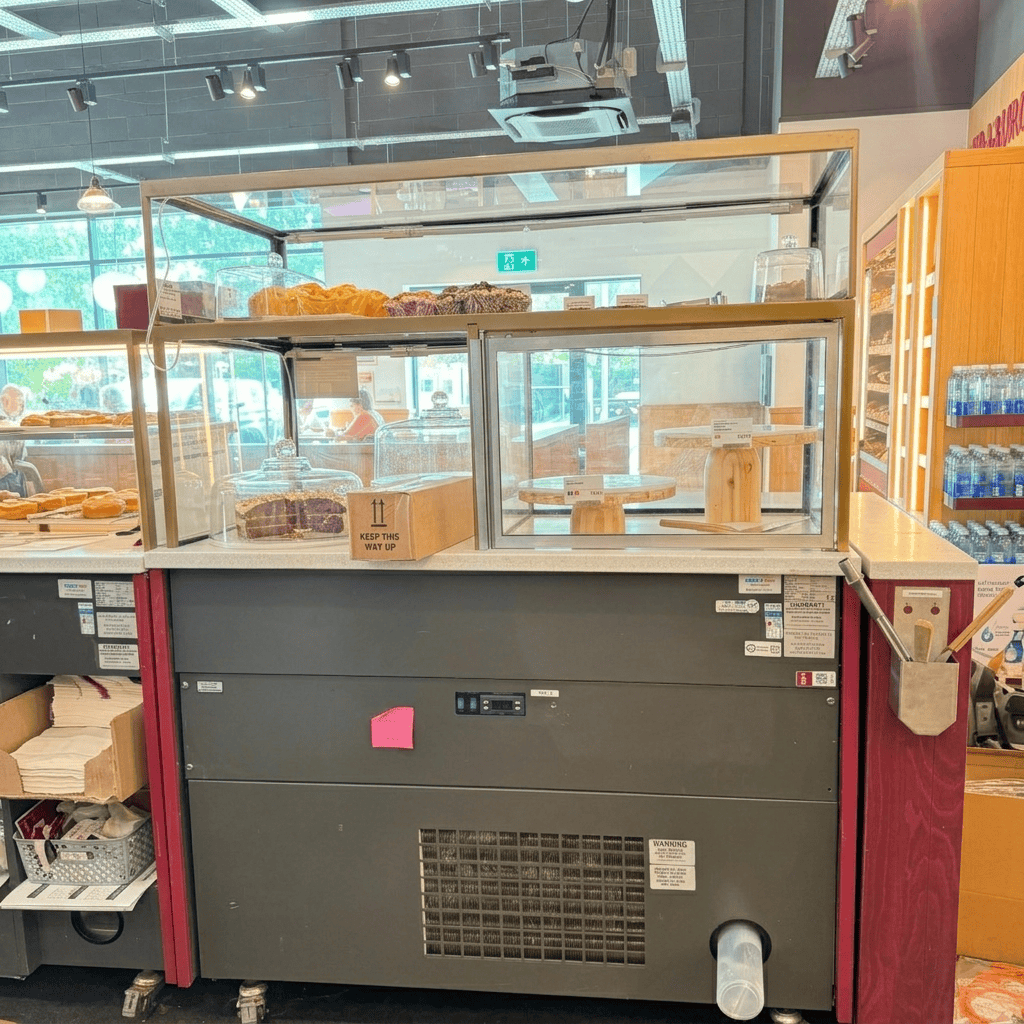
Not every commercial refrigerator uses the same refrigerant.
Different systems are designed for specific refrigerants, operating pressures and charge quantities.
Using an unsuitable refrigerant can affect performance, damage components or create serious safety risks.
Common commercial refrigerator refrigerants
R134a has been used in many older commercial refrigeration systems.
R404A has been widely used in older commercial freezing and refrigeration equipment, although environmental restrictions now affect its use.
R290, also known as propane, is used in many modern commercial refrigerators. It has a low global warming impact but is highly flammable.
R600a, also known as isobutane, is used in some smaller refrigeration appliances and is also flammable.
These refrigerants are not interchangeable.
For more background, see Wikipedia’s explanation of refrigerants.
How to identify the refrigerant
The equipment data plate normally provides details about the refrigerant type and intended charge.
It may be positioned inside the cabinet, near the compressor compartment or on the exterior.
The engineer should also check the manufacturer’s technical information and any previous service records.
Before deciding how to recharge a commercial refrigerator, the refrigerant specification must be confirmed.
How Refrigerant Charging Works
Commercial refrigerator charging involves several technical checks. The exact procedure depends on the appliance, refrigerant and condition of the system.
The following explanation describes the professional process rather than instructions for carrying out the work yourself.
Initial refrigerator inspection
The engineer first checks the reported symptoms and operating conditions.
This may include reviewing cabinet temperatures, airflow, fans, controls, compressor operation and condenser condition.
The purpose is to establish whether the problem is related to refrigerant loss or another fault.
Checking the refrigeration circuit
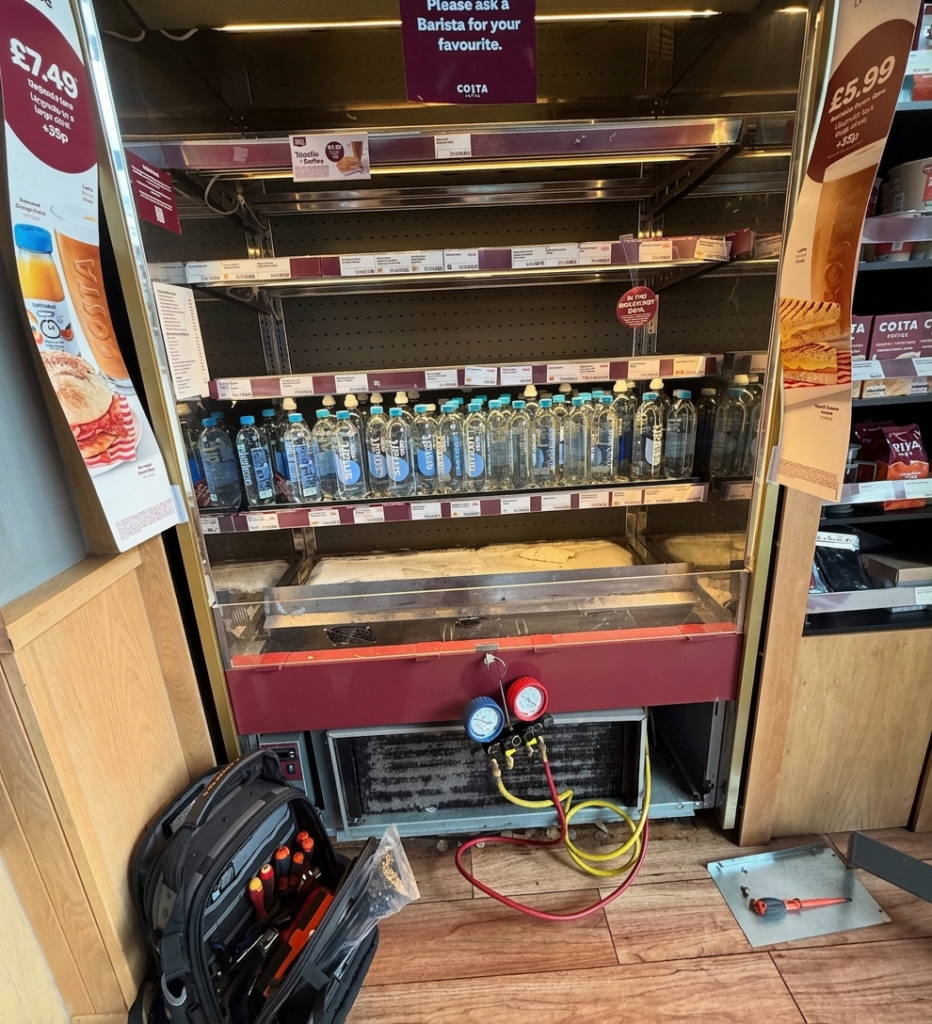
If low refrigerant is suspected, the engineer examines the system using suitable diagnostic equipment.
Operating pressures, temperatures and other measurements may help assess system performance.
These readings must be interpreted in relation to the refrigerant and equipment design.
Repairing leaks
If a leak is confirmed, the engineer determines the suitable repair.
Depending on the work, refrigerant may need to be recovered using approved equipment.
The system is repaired and tested before further charging work takes place.
Removing air and moisture
Where the sealed refrigerant circuit has been opened, the engineer may need to evacuate the system using a vacuum pump.
Removing air and moisture is important because contamination can interfere with refrigeration performance and damage components.
Adding the correct refrigerant
The engineer charges the refrigeration system using the manufacturer’s specifications and appropriate equipment.
Many commercial refrigerator systems require a measured charge by weight.
The engineer must also account for the type of refrigerant and the system’s approved charging method.
Testing the refrigerator
After charging, the engineer checks whether the refrigerator operates correctly.
This includes reviewing cooling performance, operating conditions and temperature control.
The refrigerator should be monitored to confirm that it can reach and maintain the intended temperature.
Anyone researching how to recharge a commercial refrigerator should understand that successful charging depends on correct diagnosis, repairs and final testing.
Why Refrigerant Charging Requires Proper Equipment
Professional refrigeration engineers use specialist equipment because the refrigerant circuit operates under pressure.
Using unsuitable tools can damage the refrigerator and expose people to unnecessary risks.
Refrigerant gauges
Suitable gauges or digital instruments help engineers assess system pressures.
The readings need to be interpreted alongside temperatures and other operating information.
Refrigerant recovery equipment
Recovery equipment allows refrigerant to be collected in approved containers when required.
This helps prevent uncontrolled refrigerant release.
Vacuum pump
A vacuum pump is used during suitable servicing procedures to remove air and moisture from an opened refrigeration circuit.
Refrigerant weighing scales
Accurate scales help engineers measure the amount of refrigerant added or recovered.
Some smaller commercial refrigerators have very specific charge requirements, making accuracy particularly important.
Leak detection equipment
Electronic detectors and other suitable methods help locate refrigerant leaks.
These tools support accurate diagnosis rather than relying on guesswork.
Knowing how to recharge a commercial refrigerator involves understanding why this equipment is necessary, not simply knowing how to connect a refrigerant cylinder.
Refrigerant Safety and Legal Considerations
Commercial refrigerator charging involves pressure, electricity and potentially hazardous refrigerants.
Incorrect handling may cause injury, fire, equipment damage or environmental harm.
Refrigerant handling qualifications
In the UK, work involving fluorinated refrigerants is regulated.
Individuals handling F gases must have the appropriate qualifications for the work they perform.
Businesses servicing stationary refrigeration equipment containing F gases for other organisations generally also require company certification.
The requirements are explained in the official UK guidance on F Gas qualifications.
Flammable refrigerants
Some modern commercial refrigerators contain R290 or R600a.
These refrigerants can create fire hazards if released near an ignition source.
They require equipment, working methods and training suitable for flammable refrigerants.
F Gas qualifications alone should not be assumed to cover every hazard associated with these systems.
Environmental protection
Some refrigerants contribute significantly to global warming when released.
UK rules restrict the use of certain refrigerants and require suitable handling and recovery practices.
Older refrigeration equipment may be subject to additional restrictions on refrigerant refilling.
What should business owners do?
Do not open the refrigerant circuit, connect charging equipment or release refrigerant yourself.
If a significant leak is suspected, keep people away from the affected area, avoid ignition sources where flammable refrigerant may be present and contact a competent engineer. Only isolate equipment if it is safe to do so.
Safe commercial refrigerator refrigerant charging requires the correct training, equipment and working procedures.
Why Adding Refrigerant Without Finding a Leak Can Be a Problem
A quick refrigerant top up may seem like an easy way to restore cooling.
However, it does not solve the problem if the refrigerator is losing refrigerant through a damaged part.
The newly added refrigerant may escape again.
This can lead to repeated repair costs, ongoing temperature problems and unnecessary refrigerant emissions.
A continuing leak may also allow moisture and contamination into the system under certain operating conditions.
Another concern is that the original cooling fault may have nothing to do with refrigerant.
Adding refrigerant to an otherwise correctly charged system can create further problems.
The proper approach is to investigate the cause, repair faults where practical and then determine whether charging is required.
If your refrigerator keeps developing problems, our refrigeration fault finding and system diagnostics service can help identify the likely cause.
What Happens When a Refrigerator Has Too Much Refrigerant?
Adding excessive refrigerant can be just as problematic as operating with too little.
A refrigeration system is designed to work within specific operating conditions.
An excessive charge may increase condensing pressure and reduce efficiency.
Higher operating pressure
Too much refrigerant can affect condenser operation and cause pressure problems.
The compressor may need to work harder, depending on the system design and conditions.
Compressor damage
Excessive refrigerant can contribute to abnormal operating conditions.
In some circumstances, liquid refrigerant may return towards the compressor, increasing the risk of damage.
Poor cooling performance
An overcharged refrigerator may still struggle to maintain the correct temperature.
More refrigerant does not automatically produce more cooling.
Increased repair costs
Incorrect charging can place additional strain on components.
If the refrigerator develops further faults, repairs may become more expensive.
This is another reason why how to recharge a commercial refrigerator should be treated as a professional servicing question rather than a simple refill task.
When to Call a Commercial Refrigeration Engineer
Some refrigerator problems can be linked to basic operating conditions.
For example, staff can check that the door closes properly, the temperature setting has not changed and ventilation openings are not blocked.
However, technical faults require professional assessment.
You should contact a refrigeration engineer when the cabinet cannot maintain its required temperature, the compressor repeatedly stops, unusual warning alarms appear or refrigerant leakage is suspected.
An engineer should also investigate repeated cooling problems after previous repairs.
Protect temperature sensitive stock
If a commercial refrigerator fails, check its temperature and follow your business food safety procedures.
Where necessary, move suitable products to another working refrigerator.
The Food Standards Agency generally recommends keeping refrigerators at 5°C or below. In England, chilled foods covered by the general legal temperature control requirement must normally be kept at 8°C or below, subject to applicable exceptions.
Record temperature problems and assess affected stock according to your food safety plan.
If the fault is urgent, Birmingham Refrigeration & Air Conditioning provides 24/7 emergency refrigeration callouts in Birmingham and surrounding areas.
Commercial Refrigeration Repair in Birmingham
When commercial refrigeration fails, quick and accurate fault diagnosis can help reduce disruption.
A restaurant may struggle to store ingredients safely. A supermarket may face problems with chilled displays, while a hotel kitchen may be unable to maintain its normal food preparation routine.
Birmingham Refrigeration & Air Conditioning provides professional refrigeration services for businesses across Birmingham and the surrounding West Midlands.
Our services include commercial refrigeration repairs, refrigerant leak detection, system diagnostics, maintenance and component replacement.
Refrigerant leak detection and repairs
If your commercial refrigerator is losing refrigerant, our engineers can investigate the problem and assess suitable repair options.
We focus on identifying faults rather than assuming that every cooling problem requires a refrigerant recharge.
Commercial fridge and freezer repairs
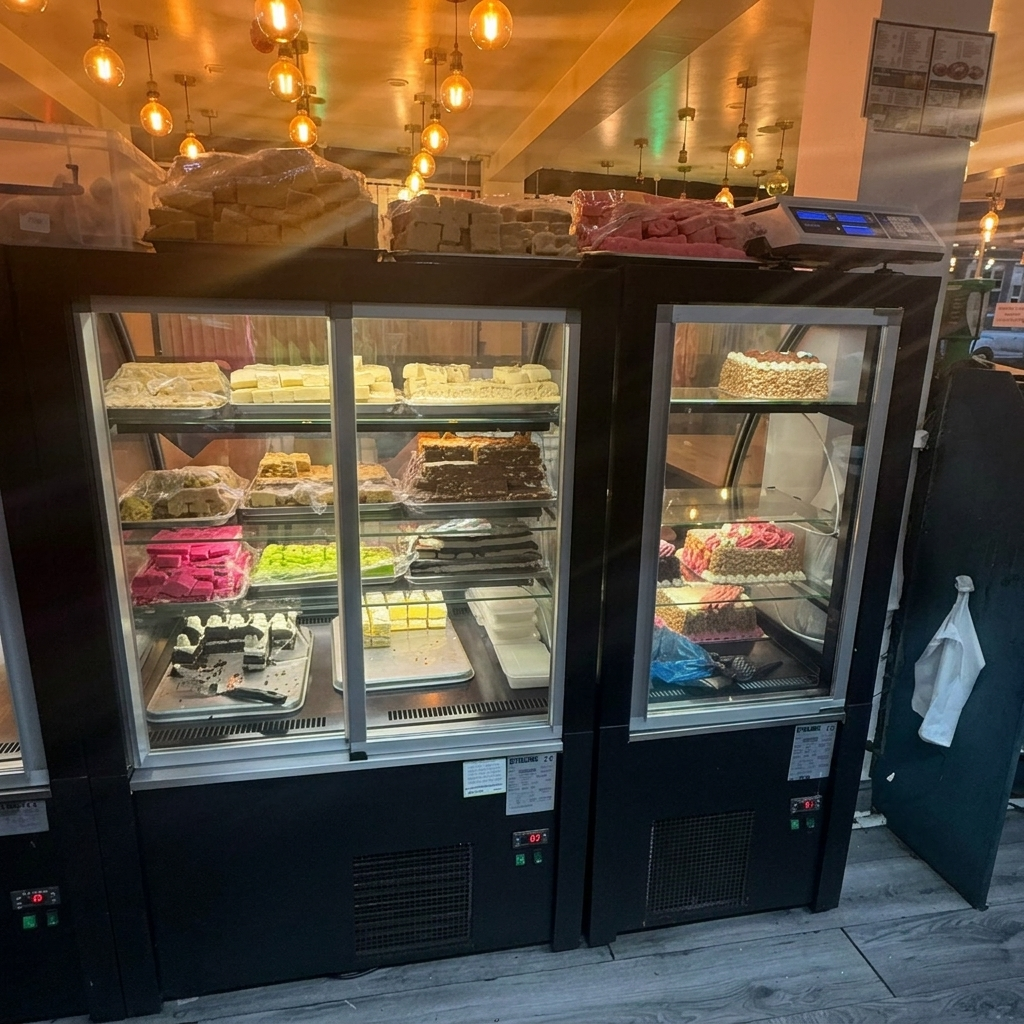
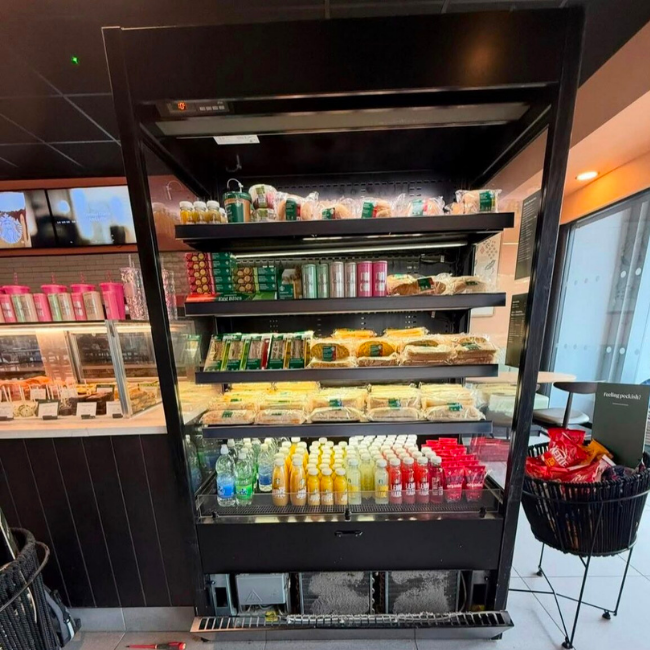
We assist businesses with commercial refrigerators, freezers, display cabinets and other refrigeration equipment.
Our refrigeration repair services cover a range of cooling and equipment faults.
Cold room refrigeration
Cold rooms are important for businesses that store large quantities of chilled or frozen products.
We also provide cold room installation and repairs for suitable commercial premises.
Birmingham and surrounding service areas
Our refrigeration services cover Birmingham and surrounding West Midlands locations, including Solihull, Sutton Coldfield, West Bromwich, Dudley and Walsall.
Businesses in areas such as Birmingham city centre, Digbeth, Edgbaston and other parts of the city can contact us to discuss their requirements.
Whether you operate a restaurant, café, food shop, hotel or commercial kitchen, our team can assess your refrigeration problem and recommend an appropriate solution.
If you need professional advice about how to recharge a commercial refrigerator, contact Birmingham Refrigeration & Air Conditioning for assistance.
How to Prevent Commercial Refrigeration Problems
Regular maintenance can help reduce the likelihood of unexpected refrigerator failures.
Although not every problem can be prevented, good operating habits and professional servicing can improve reliability.
Keep condenser coils clean
Dust and grease can collect around condenser coils, particularly in busy commercial kitchens.
Restricted heat transfer can make the refrigeration system work harder.
Arrange suitable cleaning and servicing according to the manufacturer’s recommendations.
Check door seals
Damaged or dirty seals can allow warm air to enter the refrigerator.
This increases the cooling load and may cause longer compressor running periods.
Inspect seals regularly and arrange replacement when necessary.
Allow air to circulate
Overloading a refrigerator can prevent cold air from circulating properly.
Keep products away from blocked vents and follow the manufacturer’s storage guidance.
Monitor cabinet temperatures
Check refrigerator temperatures regularly and record readings where required.
A gradual increase in temperature may provide an early warning of a developing fault.
Look for unusual changes
Report repeated alarms, unexpected frost, water leaks, unusual compressor operation and changes in cooling performance.
Small problems are often easier to investigate before the refrigerator stops working completely.
Arrange professional maintenance
A suitable maintenance programme may include checks of electrical components, fans, controls, condenser condition, operating performance and refrigerant systems.
Our preventative maintenance contracts can help businesses plan regular refrigeration servicing.
Maintenance is particularly important for restaurants, supermarkets, food storage businesses and commercial kitchens where refrigerator failure can disrupt daily operations.
Frequently Asked Questions
Can I recharge a commercial refrigerator myself?
Refrigerant charging should be handled by a suitably qualified and competent refrigeration engineer. F Gas systems have specific legal requirements, while flammable refrigerants require additional safety precautions.
How do I know if my commercial fridge needs refrigerant?
Poor cooling, long running periods and unusual frost can indicate a problem. However, these symptoms do not confirm low refrigerant. Professional testing is needed.
How often should a commercial refrigerator be recharged?
A properly sealed refrigerator should not need routine refrigerant refilling. If refrigerant is being lost, the cause should be investigated and repaired.
How much does it cost to recharge a commercial refrigerator?
The cost depends on the refrigerant type, equipment size, leak location, repair requirements and amount of work involved. A professional assessment is needed for an accurate quotation.
Can low refrigerant damage a compressor?
Yes. A system operating with insufficient refrigerant may experience abnormal temperatures and operating conditions that can contribute to compressor damage.
Can a commercial refrigerator work without refrigerant?
No. A conventional vapour compression refrigerator needs a suitable refrigerant charge to transfer heat and provide its intended cooling function.
Does a warm commercial fridge always need recharging?
No. Poor cooling may result from blocked condenser coils, failed fans, faulty controls, damaged seals, defrost problems or compressor faults.
Can I use any refrigerant in my commercial refrigerator?
No. The refrigerant must be suitable and approved for the particular system. Using an incorrect refrigerant can create safety and performance problems.
How long does a commercial refrigerator recharge take?
The duration depends on the system and the required repairs. Finding a difficult leak or replacing damaged components can take longer than charging an already repaired system.
Can overcharging cause a refrigerator to stop cooling?
Yes. Excessive refrigerant can affect operating pressures and cooling performance. An engineer needs to assess the system rather than simply remove refrigerant without diagnosis.
Is R290 safe for commercial refrigerators?
R290 can be used safely in equipment designed for it, provided the system is operated and serviced correctly. Because it is flammable, suitable safety precautions and competent servicing are essential.
What should I do if my restaurant fridge stops cooling?
Check the temperature, protect affected food according to your safety procedures and arrange professional assistance. Avoid opening the refrigerant circuit or attempting a recharge yourself.
Can a refrigerant leak be repaired?
Many leaks can be repaired, depending on their location and the condition of the equipment. Some faults may require component replacement or make replacement of the refrigerator more economical.
Where can I get commercial refrigerator recharging in Birmingham?
Contact Birmingham Refrigeration & Air Conditioning. Our team can assess the refrigerator, investigate suspected refrigerant loss and advise on suitable repair and charging work.
Get Expert Commercial Refrigerator Repairs in Birmingham
Understanding how to recharge a commercial refrigerator can help business owners recognise problems and make informed decisions about repairs.
However, the most important step is identifying why the refrigerator has stopped cooling correctly.
Refrigerant does not normally disappear from a sealed system. If a leak exists, simply adding more refrigerant is unlikely to provide a lasting solution.
Birmingham Refrigeration & Air Conditioning offers professional commercial refrigeration repairs, leak detection, maintenance and emergency support across Birmingham and nearby areas.
Whether your commercial fridge is struggling to cool, losing refrigerant or has stopped working altogether, our team can help you identify the problem and discuss suitable repairs.
Need reliable commercial refrigeration repair in Birmingham?
Call Birmingham Refrigeration & Air Conditioning on 07351 297180.
Visit our contact page to request a quotation or discuss your refrigeration problem.
Protect your stock, reduce unnecessary disruption and get professional refrigeration assistance today.