

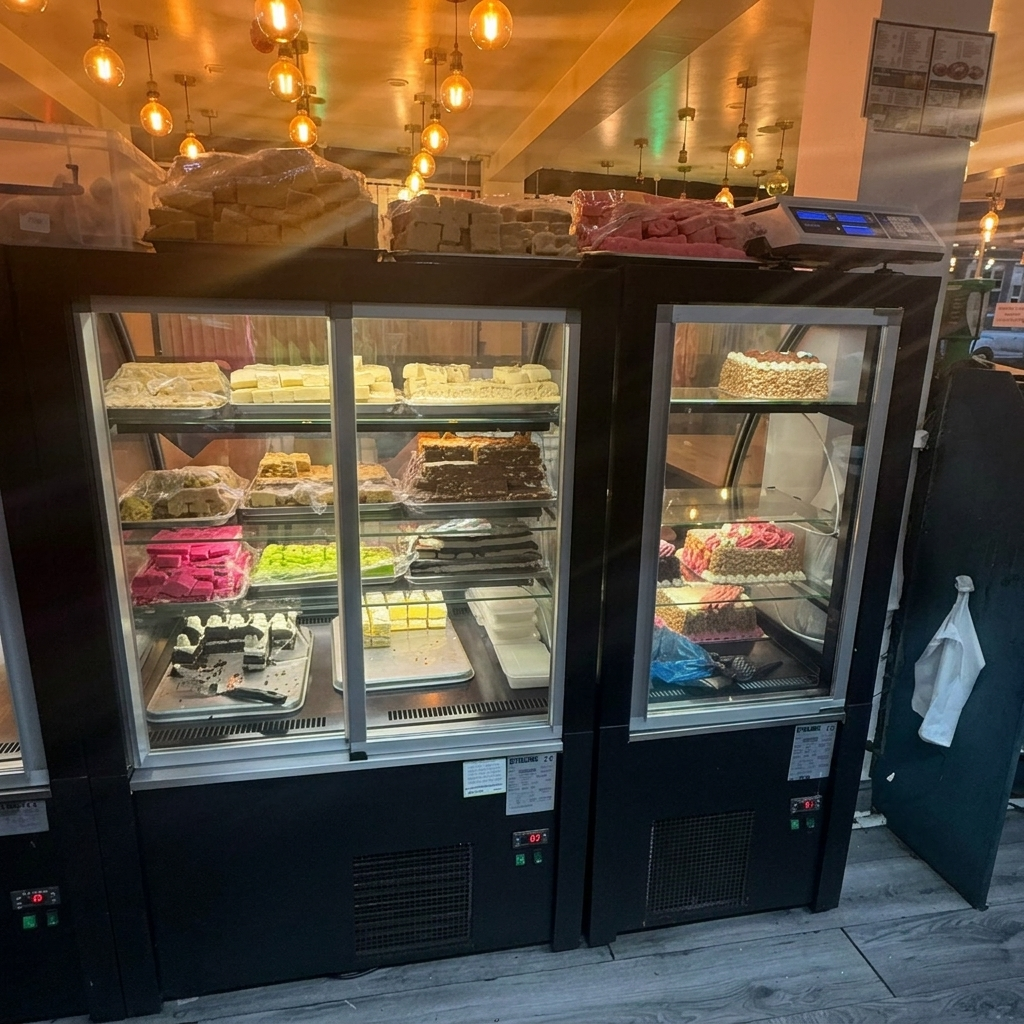
A refrigerator that stops cooling during a busy shift can leave your business facing wasted stock, delayed orders and urgent repair costs. Often, the first warning is something small: a door that does not close properly, a rising temperature reading or a new noise.
Knowing how to maintain a commercial refrigerator helps you notice these changes and respond before they disrupt your work. Regular checks also give staff a clear routine, so problems do not get passed from one shift to the next.
This guide explains the daily care, cleaning and professional maintenance that commercial fridges need. It covers practical steps for restaurants, cafés, shops and other food businesses across Birmingham.
How to Maintain a Commercial Refrigerator
To maintain a commercial refrigerator, check its temperature, clean spills promptly, keep vents clear and inspect the door seals. Clean accessible components according to the manufacturer’s instructions and arrange professional servicing based on the equipment and how it is used.
Start with the manual for your exact model. An upright storage fridge, a preparation counter and an open display cabinet may have different cleaning requirements, loading limits and operating conditions.
Build your commercial refrigerator maintenance routine around five jobs:
- Check and record temperatures at suitable points during the working day.
- Clean food contact areas and remove spills.
- Inspect doors, seals and accessible ventilation openings.
- Report changes in cooling, noise, frost or water.
- Arrange servicing and follow up on recommended repairs.
Give each task an owner. A checklist only helps when someone completes it and acts on anything unusual.
The practical answer to how to maintain a commercial refrigerator is consistent care supported by professional attention when a fault goes beyond normal cleaning.
Daily Commercial Refrigerator Checks
Check the cabinet before the busiest part of the day. Look at the temperature display, check that doors close fully and make sure stock has not shifted against an internal vent.
Record the time, reading and name of the person checking. If the temperature is outside your agreed range, record what happened next. Writing down a high reading without taking action does not resolve the problem.
Your daily checks should also cover:
- Food spills and damaged packaging.
- Water beneath or inside the cabinet.
- Door seals trapped by containers.
- Unusual rattling, clicking or scraping.
- Warning lights and controller messages.
- Stock stacked above the marked load limit.
Compare the fridge with its normal behaviour. A brief temperature rise after restocking is different from a cabinet that remains warm with its doors closed.
If you suspect unsafe storage conditions, protect the food first. Follow your food safety procedure, move suitable stock to verified cold storage where appropriate and arrange help.
Teaching staff how to maintain a commercial refrigerator starts with showing them what to check and who to contact.
Weekly Cleaning and Inspection
Plan a deeper clean for a quieter period. Arrange suitable chilled storage before taking food out, and avoid leaving perishable products on a worktop while cleaning takes longer than expected.
Remove shelves and drawers where the manual allows. Wash them with suitable products, rinse where required and dry them before refitting. Check shelf supports for cracks or movement.
Clean the cabinet interior, paying attention to corners, runners and areas beneath removable fittings. Use products suitable for the surface and the food environment. Follow the stated dilution and contact time.
Do not spray liquid into fans, lights, controls or electrical openings. A clean exterior does not justify soaking components that must stay dry.
Check accessible drain openings for visible food debris, but do not push wire or sharp objects into them.
Weekly cleaning also creates a useful inspection opportunity. Look for damaged liners, loose handles and areas where water repeatedly collects. Add these findings to the maintenance record so they can be investigated.
Monthly Refrigerator Maintenance
Use a monthly review to look beyond the cleaning checklist.
Read recent temperature records. Has one cabinet started taking longer to recover after deliveries? Are staff reporting the same alarm repeatedly? Has water appeared more than once?
Inspect accessible condenser areas for dirt, following the manual’s access instructions. Some sites need more frequent attention because of grease, flour or dust. Monthly inspection does not mean every model needs the same cleaning schedule.
Review the space around the fridge. Boxes, bins and spare equipment often collect near ventilation openings over time.
Check that the equipment details are available, including the model, serial number, manual and service history. These help an engineer prepare for a visit.
When deciding how to maintain a commercial refrigerator, use its condition and operating environment alongside the manufacturer’s schedule. A lightly used drinks fridge and a cabinet beside a busy cooking line face different demands.
Cleaning Condenser Coils
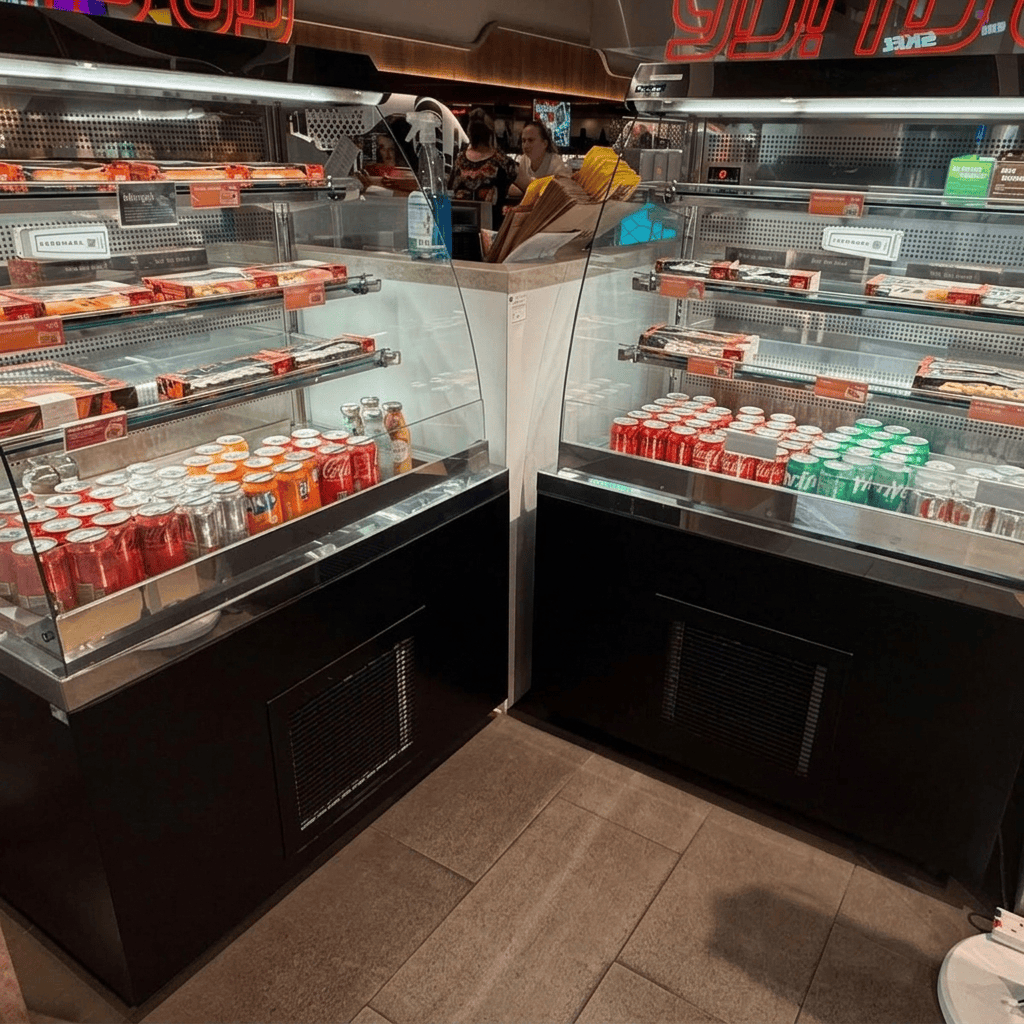
The condenser releases heat from the refrigeration system. Dirt on its surfaces can make that job harder, so cleaning may be an important part of caring for your equipment.
Before attempting condenser coil cleaning, confirm that the manufacturer permits staff to access and clean it. Protect the stock and isolate the electricity as instructed. Turning down the thermostat is not the same as disconnecting the power.
Where permitted, use a suitable soft brush and vacuum attachment to remove loose dirt without damaging the fins. Avoid forcing tools between them. Heavy grease, restricted access or uncertainty about the components are reasons to use an engineer.
Do not assume every condenser needs the same treatment. Follow the model’s instructions for access, cleaning products and frequency.
Refit any permitted removable covers correctly before restarting. Then check that the cabinet returns to its normal operating condition.
For background on the cooling process, see Wikipedia’s overview of refrigeration.
Checking Door Seals
Door seals, also called gaskets, help keep warm room air out of a closed cabinet. Crumbs, sticky residue and damaged sections can prevent a proper fit.
Wipe the seals carefully with a suitable mild cleaning solution. Clean inside the folds without pulling hard on the material, then dry them.
Look for splits, hardened areas, loose corners and sections that have come away from the door. Check the whole perimeter, including the lower edge where damage can be easy to miss.
A strip of paper closed gently in the door can help reveal uneven grip. However, this is only a basic screening check. It does not prove that the seal or door alignment is correct.
Also check whether a shelf, tray or food container is stopping the door from closing.
A useful lesson in how to maintain a commercial refrigerator is to investigate the whole door assembly. Replacing a gasket may not solve a problem caused by worn hinges or a damaged door.
Checking Temperature Accuracy
A controller display is useful, but it should not be your only temperature check. Compare readings with a suitable independent thermometer using a consistent method.
In England, food that requires chilled storage generally needs to be kept at 8°C or below, subject to applicable exceptions. Setting a fridge at 5°C or below helps provide a margin. Some products need stricter conditions, so follow their storage instructions and your food safety procedures.
Remember that cabinet air temperature and food temperature are different measurements. Air can warm quickly when a door opens, while the contents respond more slowly.
Place monitoring equipment according to its instructions and your checking procedure. Avoid drawing conclusions from one reading taken immediately after opening the cabinet.
Record repeated differences between the display and your independent thermometer. Have the instruments and controls checked when those differences cannot be explained.
Understanding how to maintain a commercial refrigerator includes recognising unreliable readings. Changing the controller setting repeatedly can hide a problem without correcting it.
Maintaining Airflow
Cold air needs space to move around the contents of many commercial cabinets. Filling every gap can create uneven conditions, even when the display appears normal.
Keep internal outlets and return vents clear. Follow the marked loading limits and the manufacturer’s shelf arrangement. Do not cover ventilated shelves with cardboard, foil or solid liners unless the design permits it.
Organise stock so staff can find products quickly. Frequently used items should be easy to reach without leaving the door open while searching.
The outside of the fridge also needs attention. Maintain the specified clearances around ventilation areas. There is no single gap measurement suitable for every commercial model.
If a kitchen layout changes, review the refrigerator’s position. A new oven, dishwasher or storage rack may alter the conditions around it.
When reviewing how to maintain a commercial refrigerator, check both the cabinet interior and its surroundings. Good housekeeping around the unit is part of equipment care.
Preventing Ice and Frost Build Up
Persistent frost in a refrigerator deserves attention. It can be associated with warm air entering the cabinet, restricted airflow or a fault that needs investigation.
Check whether doors are being left open during deliveries or food preparation. Inspect the seals and make sure containers are not stopping the doors from closing.
Look for a pattern. Frost around a door edge suggests a different starting point for inspection from ice repeatedly appearing around an internal air outlet.
Do not chip ice away with a knife or screwdriver. Sharp tools can damage the lining and hidden components. Avoid heat guns and other improvised heating methods.
If the manual requires a defrost procedure, move the food into suitable storage and follow the instructions. Allow the cabinet to return to its required temperature before reloading.
Recurring ice should be investigated rather than repeatedly removed. Record where it forms and take photographs if useful. This gives the engineer better information than a general report that the fridge is “icing up”.
Signs of Refrigeration Problems
Some faults develop gradually. Others appear suddenly. Staff should know which changes need reporting, even if the fridge still seems to be cooling.
Watch for:
- Temperatures outside the normal operating range.
- Cooling that takes noticeably longer than usual.
- Repeated alarms or controller errors.
- New vibration, scraping or loud clicking.
- Water returning after cleaning.
- Persistent frost.
- Doors that no longer close reliably.
- Unexplained changes in running patterns.
These signs do not identify a specific failed part on their own. For example, poor cooling can have several causes. Avoid assuming the equipment simply needs more refrigerant.
Note when the issue happens, whether a delivery has just arrived and whether other equipment nearby has changed.
Our fault finding and system diagnostics service provides a route for investigating refrigeration problems.
If there is smoke, a burning smell or an obvious electrical hazard, stop using the equipment and isolate it if safe. Keep staff away and seek appropriate assistance.
Why Regular Maintenance Can Reduce Breakdowns
Maintenance cannot prevent every component failure. It can, however, help a business identify visible wear and changes in performance before they become harder to manage.
A damaged seal found during cleaning can be assessed before the problem continues for weeks. A recurring temperature alarm can be investigated before the next large delivery.
Regular records also improve repair decisions. They show whether a problem is new, intermittent or getting worse.
For business owners learning how to maintain a commercial refrigerator, this is one of the biggest benefits: fewer decisions based on guesswork.
Keep a simple history for each unit. Record service dates, reported symptoms, completed repairs and outstanding recommendations. Include who approved the follow up work.
Compare the condition of older equipment with its repair history and role in the business. A heavily relied upon cabinet with repeated faults may need a wider discussion about replacement.
Our preventative maintenance contracts offer a way to discuss planned equipment care. Ask what each proposed visit includes and how recommendations will be recorded.
Commercial Refrigerator Maintenance for Restaurants
Restaurant refrigeration needs a routine that fits preparation, service and cleaning. A checklist that clashes with the busiest part of the evening is likely to be rushed.
Assign opening checks to a named person. Include a handover process so the next shift knows about alarms, cleaning work or stock that has been moved.
Preparation fridges deserve particular attention because staff may open them repeatedly. Keep ingredients organised and return containers promptly after use.
Use your documented cooling procedure for cooked food. Do not rely on a storage refrigerator to cool large quantities of hot food unless the equipment and process are designed for that purpose.
Store raw food so it cannot contaminate food that is ready to eat. Keep containers covered where appropriate and clean leaks immediately.
A useful example is a restaurant receiving chilled deliveries just before lunch. Staff can prepare shelf space first, check the delivery promptly and load it without blocking vents.
For restaurant teams, how to maintain a commercial refrigerator is as much about daily working habits as scheduled servicing.
Commercial Refrigerator Maintenance for Shops
Shops face different demands. Customers open display doors, staff refill shelves throughout the day and promotional displays can change the space around equipment.
Check that price labels, packaging and promotional materials do not cover air openings. Keep products within the cabinet’s loading limits, even during busy sales periods.
For open display cabinets, follow the manufacturer’s instructions about positioning, loading and surrounding air movement. Changes near entrances or ventilation outlets can affect operating conditions.
Use night blinds where fitted and as directed. Keep their tracks clean and report damaged mechanisms.
Do not assume a drinks cooler is suitable for every chilled food product. Confirm that the equipment can maintain the conditions required for its contents.
Include an opening check after overnight operation. This helps staff identify problems before selling affected stock.
If one display cabinet repeatedly struggles while others remain stable, record its location, stock load and temperature pattern.
Businesses reviewing their equipment can explore our commercial refrigeration services and discuss the needs of their premises.
Professional Refrigeration Maintenance in Birmingham
Routine cleaning and staff checks are important, but they do not replace technical servicing. Refrigerant circuits, electrical components and internal repairs require appropriate expertise.
Birmingham Refrigeration & Air Conditioning provides refrigeration maintenance and repair services for commercial customers in Birmingham. Our refrigeration maintenance service is a starting point for arranging equipment care and discussing current concerns.
Before contacting us, gather the cabinet’s make, model and serial number. Describe the symptoms clearly and have recent temperature records available.
Explain how the equipment is used. A restaurant preparation counter, a café display fridge and a shop storage cabinet may need different attention.
Also mention access restrictions, opening hours and whether alternative chilled storage is available. These details help with planning the visit.
Knowing how to maintain a commercial refrigerator also means knowing when to ask for help. Repeated alarms, unexplained warming and returning ice should not become accepted parts of the working day.
Protect your stock and keep your business moving. Contact Birmingham Refrigeration & Air Conditioning to discuss maintenance or request a quote.
Frequently Asked Questions
How often should a commercial refrigerator be serviced?
Follow the manufacturer’s requirements and ask an engineer to recommend a schedule based on use, condition and environment. Heavy use, grease or dust may call for more frequent attention. Do not assume an annual visit is suitable for every cabinet.
What is the simplest way to remember how to maintain a commercial refrigerator?
Use a short routine: check temperatures, clean spills, inspect doors, keep vents clear and report changes. Add deeper cleaning and professional servicing to the schedule. Give each job an owner and keep records that show any follow up action.
Can staff clean commercial refrigerator coils?
Only where the manufacturer permits operator cleaning and staff can follow the procedure safely. Isolate the equipment as instructed. Leave inaccessible coils, heavy contamination and work near electrical or refrigerant components to an appropriate engineer.
Why is my commercial fridge warm even though it is running?
Possible causes include loading problems, open doors, airflow restrictions or a technical fault. Check obvious operating issues without dismantling the unit. Protect affected food under your safety procedure and arrange diagnosis if the cabinet does not recover normally.
Should a commercial refrigerator run all the time?
Operating patterns vary with the model, room conditions, stock load and door use. Some equipment runs for long periods by design. Report a noticeable change from normal, particularly when it comes with poor cooling, alarms or unusual noise.
Can I use bleach to clean the fridge?
Follow the refrigerator manufacturer’s cleaning advice. Some chlorine products can damage metals or other materials when used incorrectly. Choose suitable cleaning and disinfecting products, follow their labels and never mix chemicals.
What should I do if the fridge breaks down overnight?
Keep the doors closed where practical and assess the stock using your documented food safety procedure. Review available temperature records and move suitable food to verified cold storage. Do not assume food is safe because it still feels cool.
Does regular maintenance guarantee there will be no breakdowns?
No. Components can still fail despite regular care. Maintenance helps you spot changes, address known issues and plan repairs. Keep a practical backup plan for stock storage and make sure staff know how to report an urgent problem.
Who can help with commercial refrigerator maintenance in Birmingham?
Birmingham Refrigeration & Air Conditioning can help you discuss servicing, maintenance and refrigeration faults. Share the equipment details and symptoms when you request a maintenance quote so the team can understand what your business needs.