

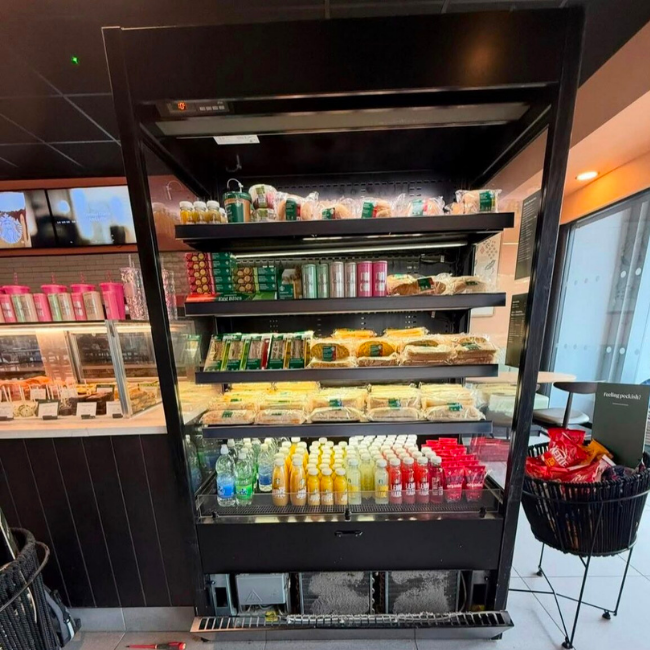
A commercial fridge works through early deliveries, busy lunches and late closing times. Doors open repeatedly, shelves fill quickly and kitchen heat adds to the load. Small problems can go unnoticed until the temperature rises or food starts to spoil.
So, how do you maintain a commercial refrigerator properly? Start with daily temperature checks, regular cleaning, clear airflow and doors that close securely. Add professional servicing at intervals suited to your equipment and workload.
For restaurants, cafés, takeaways and food shops in Birmingham, these habits help protect stock and keep service moving. This guide explains what your staff can check, which warning signs need attention and when to call Birmingham Refrigeration & Air Conditioning.
How Do You Maintain a Commercial Refrigerator?
Maintain a commercial refrigerator by checking its temperature every day, cleaning spills promptly, inspecting door seals and keeping air vents clear. Clean accessible condenser coils as the manufacturer directs, watch for leaks or ice and arrange professional inspections.
The answer to how do you maintain a commercial refrigerator also depends on how you use it. A busy preparation fridge may need more frequent attention than a lightly used drinks cabinet.
Keep the equipment manual available and give each fridge a clear name or number. This makes temperature records and fault reports easier to follow.
Assign responsibility to a named person on each shift. A checklist only works when someone completes it and acts on problems. Record what was checked, what was wrong and what happened next.
Why Commercial Refrigerator Maintenance Matters
A fridge can still make a cooling sound while failing to protect its contents. Maintenance helps you notice changes before they become expensive interruptions.
Commercial refrigerator maintenance supports:
- More consistent storage temperatures.
- Cleaner shelves and food storage areas.
- Earlier detection of worn seals and faulty parts.
- Less avoidable strain on the cooling system.
- Better planning for repairs and replacement.
Consider a door that no longer closes fully. Warm air enters throughout the day, the cooling system works harder and moisture may collect inside. Fixing the door addresses the cause instead of repeatedly changing the temperature setting.
Maintenance also gives staff a clear process. When everyone knows the normal readings and warning signs, faults are less likely to pass unnoticed between shifts.
It cannot guarantee that equipment will never fail, but it makes preventable problems easier to manage.
Check the Refrigerator Temperature
If you are asking how do you maintain a commercial refrigerator, temperature monitoring is the first daily task.
For most general chilled food storage, set the fridge at 5°C or below while following the food label and equipment instructions. In England, food that requires chilled temperature control must generally be kept at 8°C or below, subject to applicable exceptions. The cabinet setting and the actual food temperature are different measurements.
Check and record readings at opening and at other times set by your food safety procedure. Busy periods, deliveries and previous faults may justify more frequent checks.
Use a suitable independent thermometer to help verify the display. Check thermometer accuracy according to its instructions.
If a reading is outside your limits, investigate immediately. Check the door, loading and airflow, assess affected food under your food safety procedure and move stock to suitable working refrigeration when needed. Do not simply turn the controller colder and assume the problem is solved.
Clean the Interior Regularly
Clean spills when they happen. Leaking containers, food residue and sticky shelves make later cleaning harder and can contaminate other items.
Plan deeper cleaning when stock levels are low. Move food into suitable chilled storage before taking the fridge out of use.
Follow this basic sequence:
- Isolate the equipment where required by its cleaning instructions.
- Remove shelves and drawers that are designed to come out.
- Wash surfaces with a suitable detergent.
- Rinse where the product instructions require it.
- Disinfect food contact surfaces using an appropriate product.
- Observe the stated contact time and rinse requirements.
- Dry surfaces, refit shelves and restore the correct temperature before reloading.
Pay attention to shelf supports, corners and the bottom of the cabinet.
Keep cleaning chemicals away from food. Avoid abrasive tools, unsuitable chemicals and spraying water into electrical parts. Never mix cleaning products.
A clean interior also makes cracks, drainage problems and damaged fittings easier to spot.
Clean Condenser Coils
The condenser releases heat from the refrigeration system. Dust and kitchen grease can collect on it and restrict heat removal.
For anyone wondering how do you maintain a commercial refrigerator in a busy kitchen, checking the condenser deserves a place on the schedule.
Find the cleaning instructions for your exact model. Some coils are accessible for routine cleaning, while others need an engineer. Follow the specified interval and inspect more often where dust or grease builds up quickly.
Where owner cleaning is permitted, disconnect the power and use the tools and method approved by the manufacturer. Avoid bending delicate fins or damaging pipework. Leave heavy grease, difficult access and component removal to a professional. Manufacturer guidance should determine the procedure.
Do not judge the whole condenser by a clean outer grille. Dirt may sit behind it.
Add the inspection date to your log so the next person knows when it was last checked.
Keep the Door Seal Clean
The door seal, also called a gasket, helps keep warm air outside the cabinet.
Wipe it regularly using a soft cloth and a suitable mild cleaning solution. Open the folds gently to remove crumbs and sticky residue, then dry the area.
Look for splits, loose sections, hard patches and gaps around the corners. A damaged seal may allow air to enter even when the door looks closed.
When staff ask how do you maintain a commercial refrigerator, show them the seal as part of their training. It is easy to overlook because much of it is hidden when the door closes.
Arrange replacement when the gasket no longer fits or seals properly. Use the correct part for the model. An unsuitable replacement can leave gaps and create the same problem again.
Check Door Hinges and Closures
A clean gasket cannot compensate for a badly aligned door.
Watch how the door moves during normal use. Does it scrape against the frame, hang unevenly or need a push to close? Does it bounce open after someone shuts it?
First check for simple obstructions. A tray handle, badly positioned shelf or oversized container may be stopping the door.
Keep hinges, handles and closing mechanisms on the inspection list. Report loose parts or changes in movement before the problem gets worse.
Avoid forcing a sagging door or adjusting hinges without the correct instructions. Cabinet levelling, hinge wear and the closing mechanism may all affect how it sits.
Teach staff to check that the door has closed after loading. This small habit matters during deliveries, when several people may use the same fridge.
Keep Air Vents Clear
Cold air must move around the cabinet to cool its contents evenly. Packing every available gap can leave some products warmer than others.
Keep internal vents clear and follow marked loading limits. Leave the spaces required by the manufacturer around shelves, walls and air outlets.
The practical answer to how do you maintain a commercial refrigerator includes managing stock properly:
- Keep containers away from fan guards and vents.
- Avoid covering shelves with materials that obstruct airflow.
- Keep products within the cabinet’s loading limits.
- Arrange items so staff can find them quickly.
- Review stock levels when overcrowding becomes routine.
A fridge that is always overfilled may be too small for the workload.
For background reading on the cooling process, see Wikipedia’s overview of refrigeration.
Good organisation also shortens door opening time and makes cleaning easier.
Check for Ice Build Up
Persistent ice inside a commercial refrigerator needs investigation. Look around the evaporator cover, air outlets, door edges and cabinet floor.
Ice may be linked to warm air entering, restricted airflow, drainage trouble or a defrost fault. Its position and the time it returns can help an engineer identify the cause.
Do not chip it away with a knife or screwdriver. Sharp tools can damage the lining or refrigerant pipework. Avoid using unapproved heat sources to speed up defrosting.
Move stock into suitable refrigeration and follow the model’s defrost instructions.
If ice returns after defrosting, report it instead of repeating the same temporary fix. Take a photograph before removing it and note any temperature changes. These details can make the fault easier to assess.
Check Fans and Airflow
Fans help move air through many commercial refrigeration systems. A change in their sound can be an early warning.
Listen for scraping, rattling or vibration. Notice whether the fridge takes longer than usual to recover after normal use.
When considering how do you maintain a commercial refrigerator, focus on changes from its usual behaviour. Some fans stop when the door opens or during parts of the operating cycle, so a stationary fan does not automatically mean failure.
Staff can report unusual sounds and visible obstructions without removing guards.
Never reach through a guard or touch moving blades. Fan motors, wiring and internal assemblies should be assessed by a competent engineer.
If cooling problems continue after checking loading and door closure, arrange fault finding and system diagnostics to establish the cause.
Look for Water Leaks
Check beneath the fridge and around its base during daily cleaning.
Water may come from a spill, condensation, a blocked drain or a damaged drain arrangement. A puddle does not, by itself, identify the fault.
Make the floor safe immediately and check whether water returns after cleaning. Record where it appears and whether it follows a defrost cycle, delivery or busy service period.
Inspect accessible drainage areas only as the manual allows. Do not push sharp objects into drains or pour unapproved chemicals through them.
If water reaches electrical parts, keep people away and arrange safe isolation by someone competent.
Repeated leaks need investigation. Wiping the floor every morning without reporting the problem can hide a fault and leave staff exposed to slips.
Keep the Area Around the Refrigerator Clear
The space outside a fridge affects how well it works.
Keep external ventilation openings clear of boxes, cloths, packaging and cleaning equipment. Follow the installation clearances for the exact model rather than using a general distance.
Sweep nearby floors and remove dust before it collects around the machinery compartment. Keep access available for cleaning and servicing.
Heat from ovens, grills and direct sunlight can add to the cooling load. If the kitchen layout changes, check whether the fridge’s position is still suitable.
Avoid moving a large cabinet without a safe plan. Power cables, drainage connections and the equipment itself can be damaged.
Do not use the top of the fridge as extra storage where this blocks ventilation, interferes with service access or exceeds the manufacturer’s instructions.
Professional Commercial Refrigeration Maintenance
Daily care helps, but some tasks require technical knowledge and proper equipment.
So, how do you maintain a commercial refrigerator beyond routine staff checks? Arrange professional servicing based on the manufacturer’s advice, operating hours, environment and previous faults.
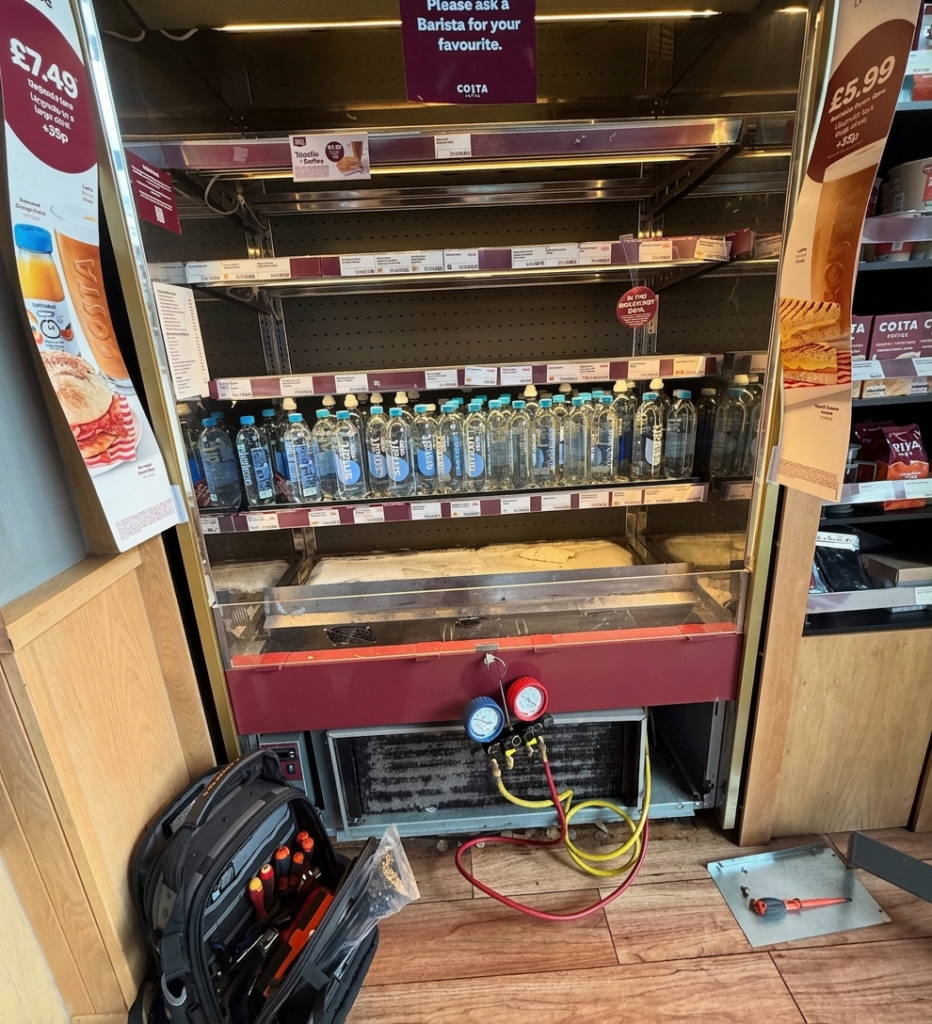
Ask the engineer to confirm what the visit covers. Depending on the equipment, this may include checks of cooling performance, controls, fans, defrost operation, drains, electrical components and door condition.
Refrigerant work requires someone competent with the relevant qualifications and experience for that system. It is not a routine staff task.
Keep the service report with your maintenance records. It should explain findings, completed work and any recommended action.
Birmingham Refrigeration & Air Conditioning provides refrigeration maintenance services for businesses seeking planned support. Discuss your equipment and workload so the service schedule reflects how the fridge is actually used.
Creating a Commercial Refrigerator Maintenance Routine
A useful routine is short enough to follow and clear enough to check.
If your team asks how do you maintain a commercial refrigerator consistently across different shifts, start with written responsibilities.
Daily checks
Record temperatures, clean spills, inspect door closure and check for leaks, ice or unusual noise. Confirm that stock is not blocking vents.
Weekly checks
Review seals, hinges, shelves and accessible drainage areas. Clean the interior as needed and look through the temperature log for repeated problems.
Scheduled equipment checks
Inspect and clean the condenser according to the manufacturer’s instructions. Arrange servicing at an interval agreed for the equipment and its working conditions.
These are starting points. Increase cleaning where your workload demands it and follow any stricter equipment instructions.
Each record should show the date, fridge identification, reading or observation, staff member and action taken. A fault should remain open until someone confirms that it has been resolved.
Keep a separate record of model numbers, serial numbers, warranty details and previous repairs.
For several cabinets or premises, preventative maintenance contracts can help organise planned visits and maintenance responsibilities.
Commercial Refrigeration Maintenance in Birmingham
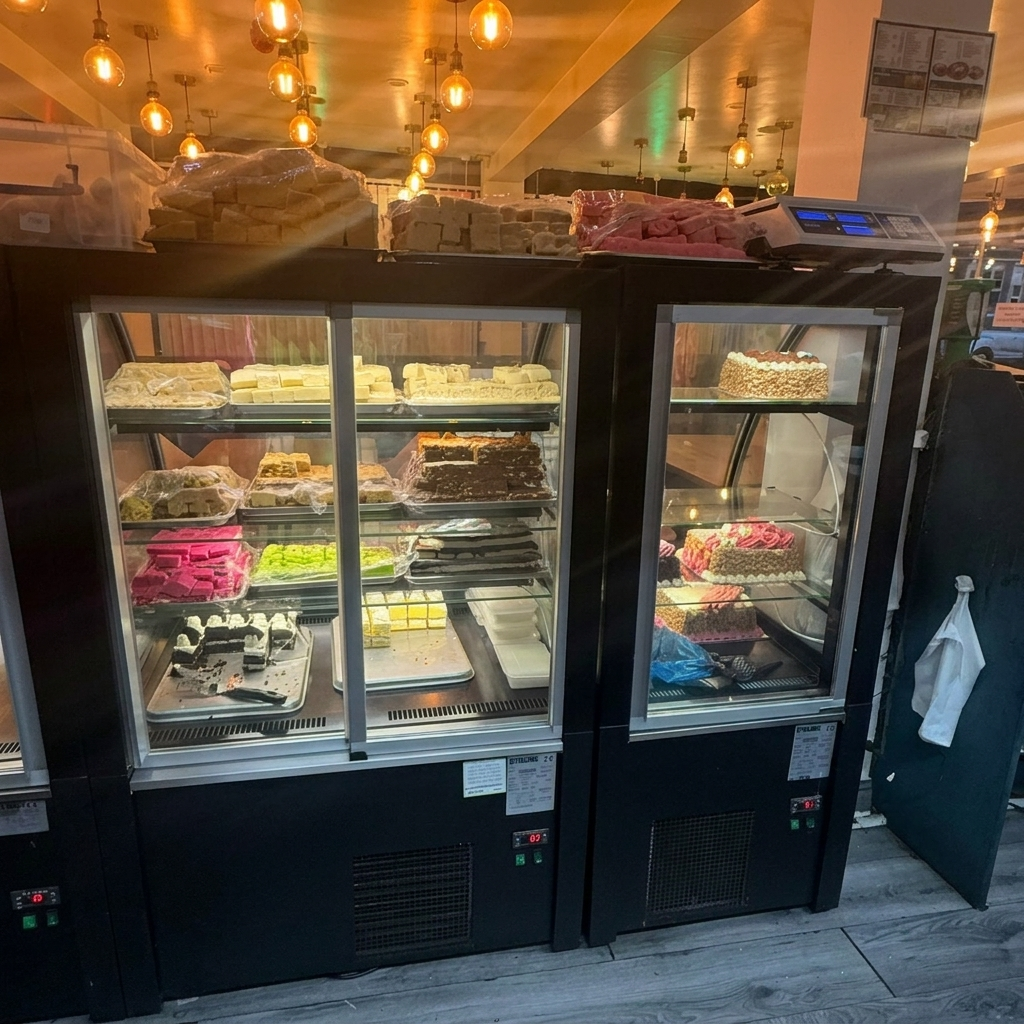
A restaurant fridge, shop display cabinet and hotel cold room face different demands. Local support should begin with the equipment you have and the problem you need to solve.
Birmingham Refrigeration & Air Conditioning offers commercial refrigeration installation, repairs, servicing and maintenance across Birmingham and surrounding areas. Its services include support for walk in refrigeration, display fridges and bottle coolers.
For businesses in Birmingham, arranging maintenance before a busy trading period gives you time to address known faults and plan any disruption.
When contacting the team, provide:
- Your business address and access arrangements.
- The equipment make, model and serial number.
- Current temperatures and recent changes.
- Details of ice, leaks, alarms or unusual sounds.
- Photographs where these help explain the issue.
Visit the commercial refrigeration Birmingham page to explore available support.
Protect your stock and keep your kitchen ready for service. Request a maintenance quote from Birmingham Refrigeration & Air Conditioning today.
Frequently Asked Questions
How do you maintain a commercial refrigerator every day?
If you need a short answer to how do you maintain a commercial refrigerator, check temperatures, clean spills, keep vents clear and confirm that the door closes properly. Look for leaks, ice and new noises. Record faults and assign someone to follow them up.
How often should a commercial refrigerator be cleaned?
Clean spills immediately. Set a deeper cleaning schedule around the products stored, the level of use and your food safety procedures. Inspect frequently enough to catch residue before it builds up. A lightly used drinks fridge and a busy food preparation cabinet may need different routines.
How often should condenser coils be cleaned?
Follow the instructions for the exact model. Check more frequently in dusty or greasy environments. Do not assume that one interval suits every fridge. Ask an engineer to clean coils that are difficult to reach or heavily contaminated.
What temperature should a commercial refrigerator run at?
For most general chilled food storage, use a setting of 5°C or below, subject to product and equipment requirements. Check actual performance rather than relying on the chosen setting. Specialist products may require a narrower storage range.
Why is my commercial refrigerator running all the time?
Long running periods can relate to heavy use, high room temperatures, warm stock, dirty coils or poor door sealing. Technical faults are also possible. Some equipment varies its operation with demand, so compare current behaviour with normal performance and investigate any loss of cooling.
Can staff maintain a commercial fridge themselves?
Trained staff can handle routine cleaning, temperature records, loading checks and basic visual inspections. They should follow the equipment instructions and the business’s procedures. Electrical repairs, refrigerant work and internal component servicing belong with a suitably competent professional.
Should I turn the fridge off every night?
A fridge holding food that needs chilled storage must continue maintaining the required conditions. Do not switch it off to save electricity while leaving stock inside. Planned shutdowns require suitable alternative storage and the manufacturer’s shutdown and restart procedure.
What should I do if the fridge stops cooling?
Check the reading, door closure, loading and any visible alarm. Protect stock under your food safety procedure and arrange repair support. Do not keep resetting the equipment or assume that food is safe because it feels cool. Keep records of temperatures, timings and actions.
Can maintenance reduce electricity use?
It can reduce avoidable waste caused by problems such as blocked airflow or poor door sealing. The result depends on the fault, equipment condition and operating environment. Avoid promises of a fixed saving without measuring energy use under comparable conditions.
Who provides commercial refrigerator maintenance in Birmingham?
Birmingham Refrigeration & Air Conditioning provides maintenance and repair support for commercial refrigeration in Birmingham and surrounding areas. Contact the team with your equipment details to discuss a service visit or planned maintenance.