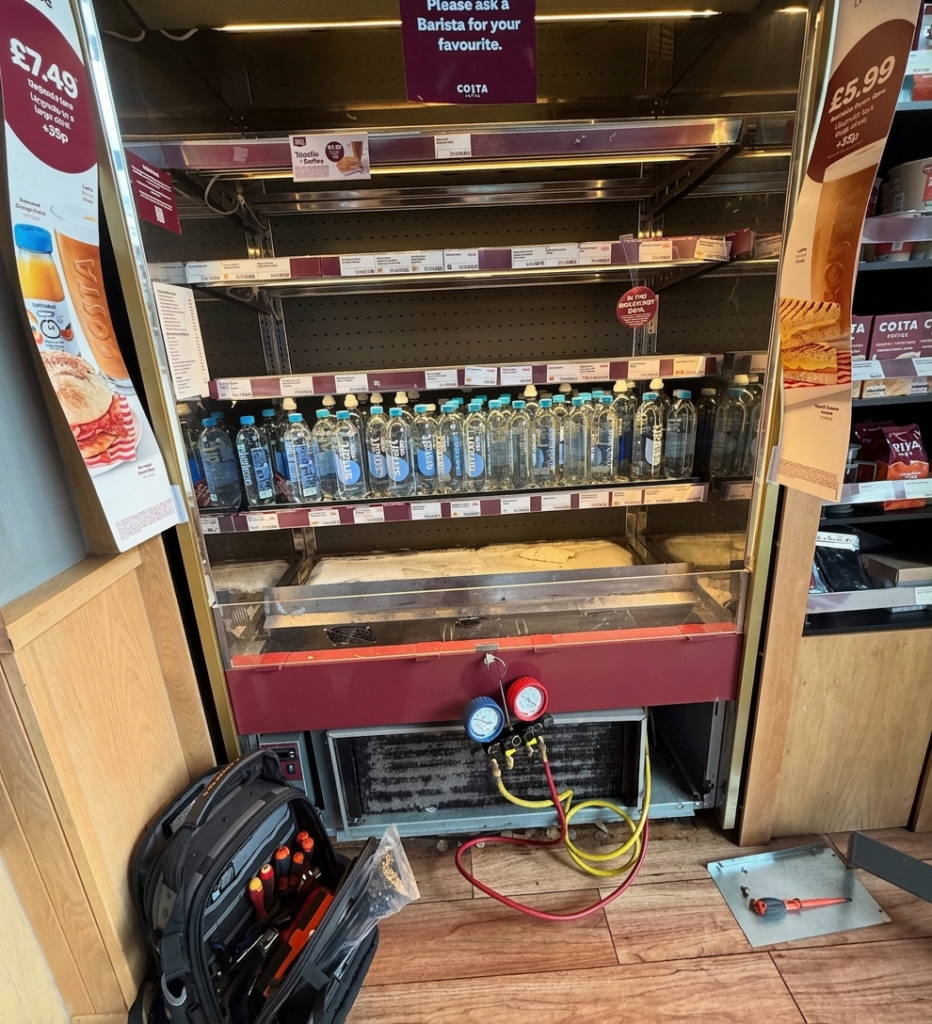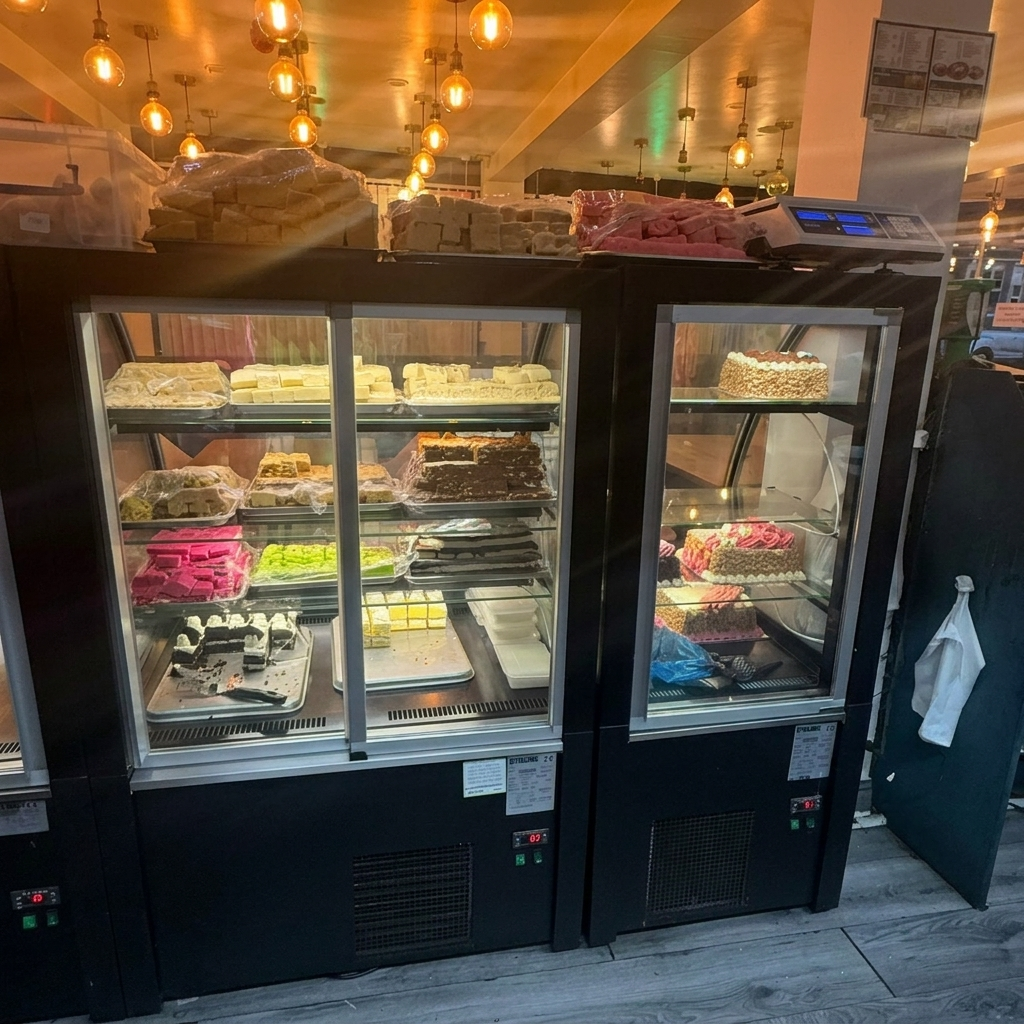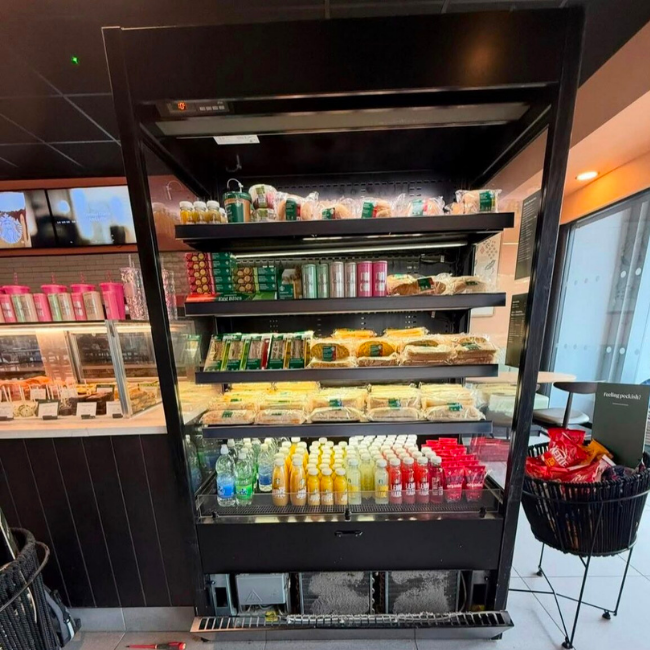


To understand how to fix commercial refrigerator problems, start by checking the power supply, temperature setting, door seals and airflow. Protect chilled stock if the cabinet is warming up. Leave electrical repairs, refrigerant work and internal component testing to a qualified refrigeration engineer.
A fridge breakdown can quickly disrupt a busy kitchen, shop or café. Ingredients may need moving, staff may have to change the menu, and deliveries can become difficult to store. Finding the cause early helps you make a sensible decision about the next step.
Some problems come from everyday use. A box covering an air vent or a door held open by a tray can affect cooling. Other faults involve fans, sensors, defrost parts or the compressor.
This guide explains how to fix commercial refrigerator issues through safe checks, clear warning signs and practical advice for Birmingham businesses.
Most Common Commercial Refrigerator Faults
The most common commercial refrigerator faults include poor cooling, power failures, water leaks, ice buildup, unusual noises and damaged door seals. Several faults can produce similar symptoms, so the first visible sign does not always reveal the cause.
For example, a warm cabinet might have restricted airflow, a faulty fan or a refrigeration system problem. Replacing a thermostat without checking the rest of the unit could leave the original fault unresolved.
Watch for these changes during daily use:
- The cabinet feels warmer than usual.
- The compressor seems to run for much longer.
- Water collects beneath the fridge.
- Frost appears around the door or internal air outlets.
- An alarm returns after being cleared.
- Food temperatures differ between shelves.
- The door needs extra pressure to close.
When learning how to fix commercial refrigerator faults, keep a record of what changed and when. A temperature log, photograph or short recording can help an engineer investigate.
Refrigerator Not Turning On
A commercial refrigerator not turning on may have a power supply problem, a switched off controller or an internal electrical fault. A blank display alone does not prove that the compressor has failed.
Check the visible power supply
Confirm that the fridge switch and wall socket switch are on. Look at the plug and cable without opening them. If other equipment has also stopped, the premises may have a wider supply problem.
Do not pull a heavy cabinet forward if doing so could stretch cables, damage pipework or cause injury. Hardwired equipment needs the correct isolation procedure.
If you notice scorching, a burning smell, exposed wires or water near electrical parts, stop using the equipment. Isolate it only if you can do so safely.
Avoid repeated resets
Repeatedly resetting a tripping breaker can expose staff to a continuing fault. Arrange an electrical or refrigeration assessment instead.
Some units have a normal delay before the compressor starts. Check the model manual before assuming that a quiet fridge needs another restart.
Knowing how to fix commercial refrigerator power problems begins with safe observation. Opening electrical covers or bypassing protective devices is not a suitable staff task.
Refrigerator Running but Not Cooling
A commercial refrigerator not cooling needs prompt attention, even when the display and internal light still work. These signs confirm that some power is available, but they do not confirm that the cooling system is working correctly.
Check stock placement and airflow
Look for boxes, trays or packaging covering the internal air outlets. Leave the space required by the manufacturer around stored products so cold air can circulate.
Check the outside ventilation openings as well. A cabinet pushed too close to a wall or surrounded by stored supplies may struggle to release heat.
Do not keep turning the controller colder. A lower setting will not repair a failed fan or clear a blocked coil.
Check permitted cleaning tasks
Dust and grease can collect around the condenser. Only clean areas that the manufacturer identifies as suitable for routine user maintenance. Disconnect the power before permitted cleaning, follow the model instructions and never spray electrical equipment with a hose or pressure washer.
If the cabinet continues warming after basic checks, move affected stock into suitable working refrigeration and request an assessment.
The useful answer to how to fix commercial refrigerator cooling problems is to check simple causes first, then arrange diagnosis before stock is put at further risk.
Refrigerator Making Strange Noises
Commercial fridges normally make some sound. Fans move air, compressors run in cycles and refrigerant flows through the system. A new or noticeably louder sound deserves attention.
A rattle may come from bottles touching, a loose shelf or something resting against the cabinet. Check these accessible causes without removing protective covers.
Scraping, grinding or repeated clicking can have several possible causes. A fan might be contacting ice, a motor may be wearing out, or a compressor may be struggling to start. Sound alone is not enough to choose a replacement part.
Record when the noise happens. Does it begin when the door closes? Does it appear during cooling or after a defrost cycle? Does it stop and return?
A short video taken from a safe position can help explain the issue. Keep hands and tools away from fan openings.
When considering how to fix commercial refrigerator noise problems, report the sound alongside the temperature. Noise combined with poor cooling is more urgent than an occasional light cabinet rattle.
Refrigerator Leaking Water
A commercial refrigerator leaking water can create a slip hazard and may damage nearby flooring or equipment. Keep people away from the wet area and deal with any electrical risk before cleaning up.
Water may come from condensation, a blocked drain, a damaged collection tray or melting ice. A spill inside the cabinet can also look like a drainage fault.
Check where the water first appears. Water beneath the door suggests a different investigation from water collecting inside the cabinet or around the machinery area.
Inspect accessible areas for spilled liquids and visible debris. Only clean a drain opening if the user manual provides a safe procedure. Do not push wire into hidden drainage channels or pour chemicals into them.
If water returns, arrange an inspection. Repeated mopping hides the symptom without solving the cause.
Understanding how to fix commercial refrigerator leaks also means checking door closure and ice buildup. Excess moisture may begin with warm air entering the cabinet rather than a broken drain.
Refrigerator Building Up Ice
Heavy ice inside a fridge is a warning sign. It can block airflow, reduce usable storage space and interfere with fans.
Possible causes include a door that does not close properly, frequent opening, restricted airflow or a fault in the defrost system. The position of the ice can help an engineer narrow the investigation.
Ice around the door often calls for a close look at the seal and hinges. Ice around internal air outlets may need checks behind the protective cover.
Never chip ice away with a knife, screwdriver or other sharp tool. Damaging a refrigerant pipe can turn a cooling problem into a more serious repair. Avoid hairdryers, heat guns and boiling water.
If the manufacturer permits manual defrosting, move stock into suitable refrigeration and follow its instructions. Plan for meltwater and keep it away from electrical parts.
Anyone researching how to fix commercial refrigerator ice problems should remember that defrosting may only remove the symptom. If ice returns, the underlying cause still needs attention.
Refrigerator Temperature Keeps Changing
Some temperature movement is normal during door opening, loading and automatic defrosting. A single air temperature reading does not show the whole condition of the stored food.
However, repeated alarms, large swings or poor recovery need investigation.
Start by comparing the display with a suitable independent thermometer. Follow your food safety procedure when checking product temperatures, including cleaning and disinfecting probes between uses.
Record the reading, time and recent activity. A temperature rise immediately after a delivery gives different information from a rise during a quiet overnight period.
For food businesses, government guidance recommends setting fridges to 5°C or below. Chilled food generally needs to be kept at 8°C or below in England, subject to applicable exceptions. Product instructions may require colder storage.
For how to fix commercial refrigerator temperature swings, check door use, loading, airflow and settings before changing controller parameters. Persistent changes may involve a sensor, fan, defrost fault or another issue that needs professional testing.
Refrigerator Door Not Sealing Properly
A damaged or dirty door seal allows warm, moist air into the cabinet. This can make cooling less stable and encourage condensation or frost.
Look along the full gasket for splits, folds, hardened sections and trapped food. Clean it with a suitable mild cleaner following the manufacturer’s instructions, then dry it.
Check whether shelves, containers or packaging are stopping the door from closing. Avoid loading the door beyond its intended capacity.
Where appropriate, a paper strip closed gently in the seal can help reveal uneven contact. Compare several points around the door. This is only a simple check, not a complete test of the seal or hinges.
Do not assume every gap needs a new gasket. A dropped hinge, damaged door or uneven cabinet can produce similar symptoms.
Learning how to fix commercial refrigerator door problems includes recognising when cleaning is enough and when alignment or component replacement is needed. Use the correct replacement seal for the model.
Basic Checks You Can Make
A consistent checking routine helps staff respond calmly and gives the repair engineer better information.
Protect the stock first
Keep doors closed as much as possible. If safe storage conditions cannot be maintained, transfer affected food into suitable working refrigeration under your food safety procedure.
Record temperatures and the known duration of the problem. Do not decide that food is safe because it still smells normal. If its storage history is uncertain, separate it from usable stock and follow your documented disposal or assessment procedure.
Record the equipment details
Take a photograph of the model and serial number label. Note any alarm code exactly as shown before clearing it.
Record whether the cabinet is empty, partly loaded or full. Include recent changes such as a large delivery, cleaning, relocation or a power interruption.
Check settings and obstructions
Compare the set temperature with the approved setting for that cabinet and its contents. Check that doors close and ventilation openings are clear.
Avoid changing hidden controller settings. These may control defrost timing, fan operation and protective functions.
Confirm the result
After a permitted adjustment, monitor the cabinet according to the manual and your food safety procedure. Do not assume the repair is complete because the display briefly returns to normal.
These observations are central to how to fix commercial refrigerator problems without losing useful evidence or making an unsafe repair attempt.
Problems That Need a Refrigeration Engineer
Arrange professional help for recurring alarms, persistent poor cooling, repeated electrical trips, suspected refrigerant leaks or faults involving internal components.
Electrical testing, compressor repairs, refrigerant handling and work behind protective covers require suitable training and equipment. Some refrigerants are flammable, which makes improvised repairs particularly unsuitable.
A low refrigerant charge is not a normal maintenance item to keep topping up. The engineer needs to establish why cooling performance has fallen and whether a leak or another fault is present.
A proper investigation may include checking temperatures, airflow, controls, fans and the condition of the refrigeration circuit. The exact tests depend on the equipment and symptoms.
For persistent problems, our fault finding and system diagnostics service provides a relevant starting point.
For a general explanation of the process, Wikipedia’s page on refrigeration offers background reading. Repair decisions should follow the equipment manual and a qualified engineer’s findings.
How Delayed Repairs Can Affect a Business
A fridge fault can affect more than the repair bill. Stock losses, interrupted preparation and time spent moving products can all add to the disruption.
A restaurant may need to reduce its menu. A convenience store may lose refrigerated display space. A café may struggle to store milk and prepared ingredients during its busiest period.
Some faults also make equipment work harder. A door that leaks air or a condenser that cannot release heat properly may lead to longer running periods and increased strain.
Delays can make planning difficult too. An unreliable cabinet may appear normal during a quiet morning, then struggle when deliveries arrive or service begins.
Arrange help when you first notice repeated warning signs. Explain whether food is at risk, whether backup storage is available and whether the equipment has stopped completely.
Early assessment does not guarantee a small repair, but it gives the business a clearer basis for deciding what to do next.
Preventing Repeat Commercial Refrigerator Problems
Regular care helps reduce avoidable faults and makes changes easier to spot.
Give daily checks a clear owner
Ask a named member of staff to record temperatures, check alarms and confirm that doors close. Make sure another person covers these tasks during leave or shift changes.
A completed log is useful only if someone acts on unusual readings.
Keep loading under control
Leave internal vents clear and follow loading limits. Avoid using a storage fridge to cool large amounts of hot food unless it is designed and approved for that purpose.
Plan deliveries so staff can put products away promptly without leaving doors open unnecessarily.
Follow a cleaning schedule
Clean spills and door seals regularly. Follow the model instructions for accessible filters, grilles and condenser care. A busy kitchen may expose equipment to more grease and dust than a quieter retail area.
Review repeated faults
If the same problem keeps returning, consider the wider setup. Cabinet capacity, ventilation, nearby heat and patterns of use may all need reviewing.
Our refrigeration maintenance service is a useful next step when planning routine equipment care.
Keep service reports with the temperature records. Together, they help show whether a fault is new, recurring or linked to a change in use.
Commercial Refrigeration Repairs in Birmingham
Birmingham Refrigeration & Air Conditioning provides commercial refrigeration installation, repairs, servicing and maintenance for businesses in Birmingham and surrounding areas. Equipment covered includes display fridges, bottle coolers, walk in fridges and freezers.
Whether you manage a restaurant in the city centre, a café in Digbeth or a shop elsewhere in Birmingham, clear information helps when arranging a repair.
Tell us the equipment type, symptoms, current temperature and when the issue started. Mention access restrictions, trading hours and whether chilled stock has already been moved.
Visit our commercial refrigeration page to discuss your equipment, or use our emergency callout page when a breakdown needs urgent attention.
If you are searching for how to fix commercial refrigerator problems because your unit is warming up now, protect your stock and contact us with the details. We can discuss the fault and current appointment availability.
Frequently Asked Questions
Why has my commercial refrigerator stopped working?
Possible causes include a loss of power, an electrical fault, a controller problem or a failed cooling component. Check visible switches, the display and any alarm code. If the unit trips the power, smells burnt or has damaged wiring, stop using it and arrange professional help.
What are the most common commercial refrigerator faults?
Common faults include poor cooling, damaged door seals, water leaks, ice buildup, unusual noises and unstable temperatures. Restricted airflow and everyday loading problems can also affect performance. The same symptom can have several causes, so diagnosis matters before parts are replaced.
How quickly should a commercial refrigerator be repaired?
Seek urgent help if the cabinet cannot maintain safe storage conditions, stock is at risk or there is an electrical hazard. Move affected products under your food safety procedure. Less urgent issues still need prompt assessment if they recur or affect performance.
Can I fix a commercial refrigerator myself?
Staff can usually carry out basic observations and the routine cleaning tasks allowed in the manual. Checking doors, settings and visible airflow obstructions can be useful. Electrical repairs, refrigerant work and internal component replacement should be left to a qualified engineer.
Why is my commercial fridge warm even though the light works?
The light can work while the cooling system has a fault. Possible causes include restricted airflow, fan problems, ice buildup, control faults or a refrigeration circuit issue. Check loading and door closure, protect stock and request diagnosis if cooling does not recover.
Will turning the fridge off and on fix it?
A restart may clear a temporary controller issue on some models, but it does not repair a failing part or refrigerant leak. Record alarm codes first and follow the manufacturer’s restart procedure. Avoid repeated switching, which can interrupt diagnosis and normal compressor protection delays.
Should I repair or replace an older commercial fridge?
Compare the repair cost, condition, service history, parts availability and suitability of the cabinet. A sound unit with a small fault may be worth repairing. Repeated major problems or inadequate capacity may justify discussing replacement. Ask for a clear assessment before deciding.
What should I tell the repair engineer?
Provide the make, model, serial number, alarm code and current temperature. Explain when the fault started and whether it changes during busy periods. Mention unusual sounds, leaks, recent cleaning or power problems. Photographs and temperature records can help make the first visit more productive.
Need Help With a Commercial Fridge Fault?
Protect your stock and get the problem assessed. Contact Birmingham Refrigeration & Air Conditioning to discuss commercial refrigerator repairs in Birmingham and arrange the next step.