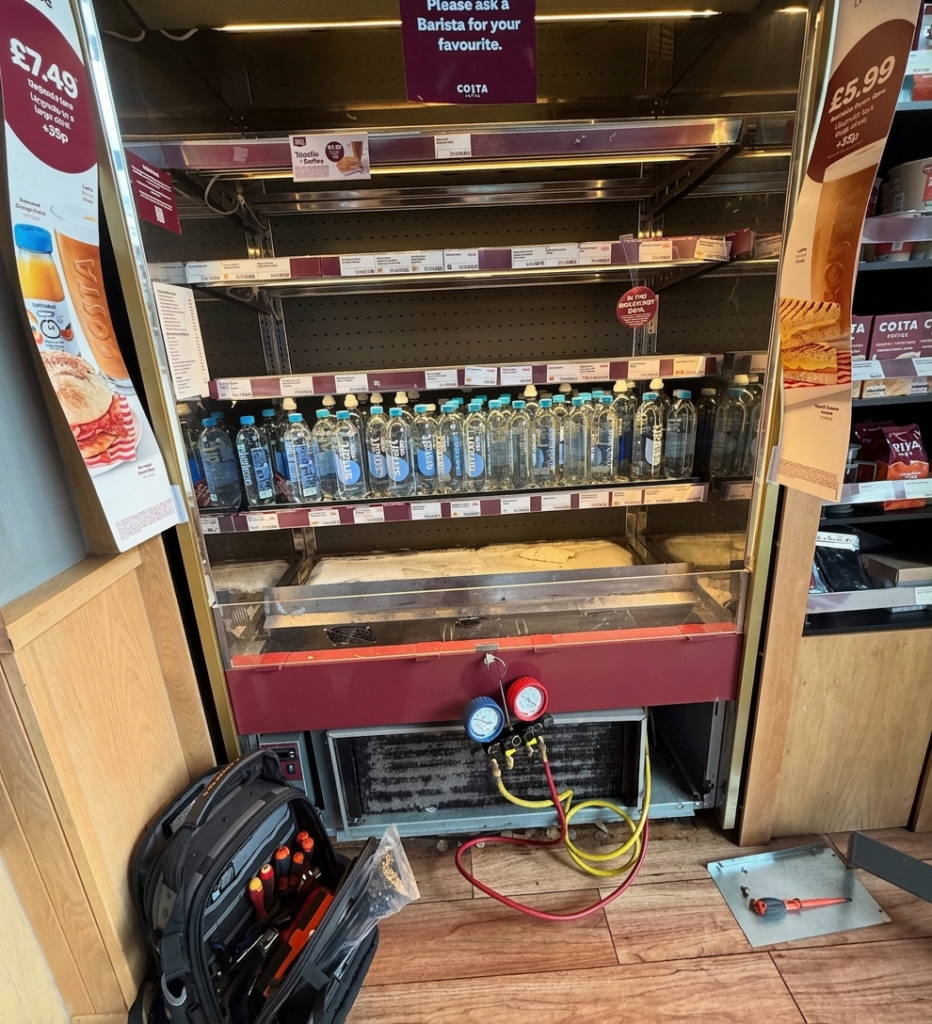



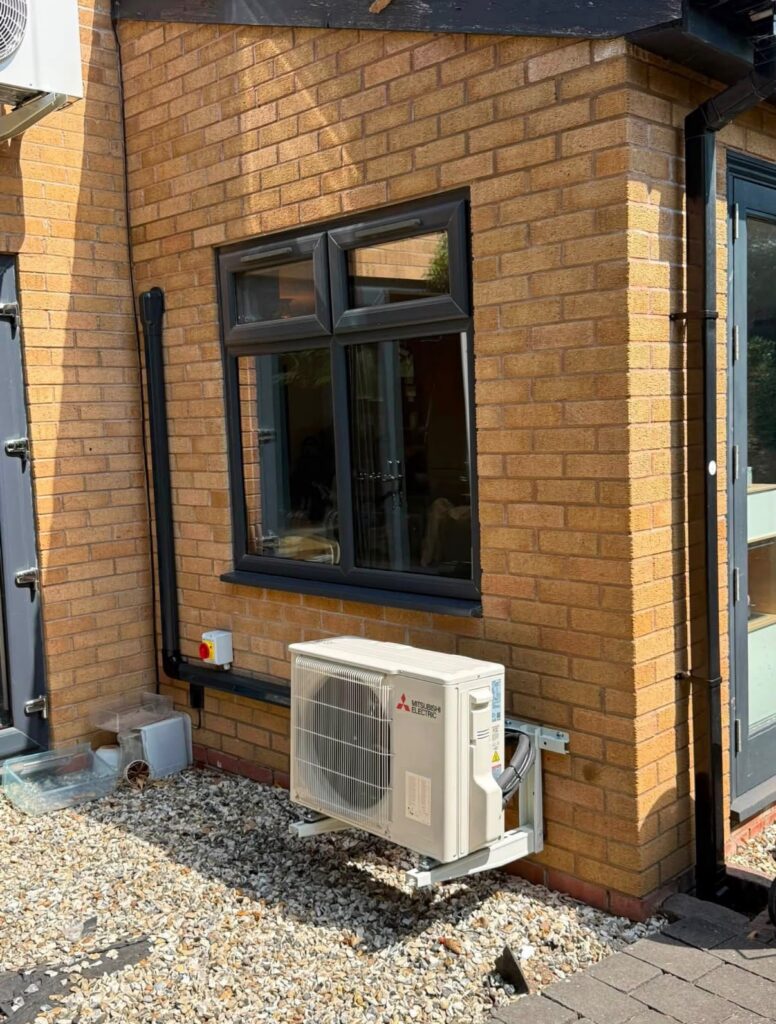
If you are wondering who would install an air conditioning unit, the best choice is usually a qualified air conditioning engineer or refrigeration engineer with the right training and experience for the system being fitted.
Installing air conditioning involves much more than fixing an indoor unit to a wall. The installer may need to work with refrigerant, electrical connections, drainage pipes, copper pipework, outdoor equipment and system controls. They also need to make sure the unit is suitable for the room and installed in a position where it can work properly.
For homes and businesses in Birmingham, choosing the right installer can affect comfort, energy use, reliability and how easy the system is to maintain in the future.
This guide explains who would install an air conditioning unit, what qualifications to look for, whether a builder or electrician can do the work and what you should expect before, during and after installation.
For a wider explanation of how air conditioning works, the Wikipedia Air Conditioning page provides useful background information.
Who Would Install an Air Conditioning Unit?
The simple answer is that a trained air conditioning engineer or refrigeration engineer should normally install a fixed air conditioning system.
This is particularly important when the work involves refrigerant.
Modern split air conditioning systems usually have an indoor unit and an outdoor unit. Refrigerant travels between these units through pipework. Installing the system can involve connecting refrigerant pipes, testing them for leaks, creating a vacuum in the system, checking operating pressures and commissioning the equipment.
These jobs require specialist knowledge and equipment.
So, when someone asks who would install an air conditioning unit, the answer should not simply be someone who is good at general property maintenance. You need someone who understands the complete air conditioning system.
A professional installer should understand:
- Refrigeration principles
- Refrigerant handling
- Electrical safety
- Condensate drainage
- Airflow
- Pipe sizing and routing
- Indoor and outdoor unit positioning
- System commissioning
- Manufacturer requirements
- Future servicing needs
For most fixed split systems, a qualified air conditioning installer is the safest and most practical choice.
What Does an Air Conditioning Engineer Do?
An air conditioning engineer installs, services, repairs and maintains cooling and climate control equipment.
During a new installation, the engineer should first understand what the property needs.
They may check the room size, window area, insulation, number of occupants, heat producing equipment and how the space is used.
For example, an air conditioner for a small bedroom may have very different requirements from a system serving a busy restaurant, office, retail unit or commercial kitchen.
The engineer may then recommend a suitable system and decide where the indoor and outdoor units should be positioned.
Installation work can include mounting the units, running pipework, arranging drainage, connecting controls, testing the refrigerant circuit and checking that the system operates correctly.
A good engineer should also explain how to use the controls and what maintenance will be required.
If you want to understand the complete installation process, our air conditioning installation services in Birmingham page explains how professional installations are planned for domestic and commercial properties.
Can a General Builder Install Air Conditioning?
A general builder may be able to help with some parts of an air conditioning project, but they should not automatically be treated as an air conditioning engineer.
A builder may be able to prepare openings, arrange supports, make good walls after pipework has been installed or coordinate other building work.
However, installing and commissioning the actual refrigeration system requires different skills.
If the system contains F Gas and the work involves the refrigerant circuit, the person carrying out that work needs the correct qualifications.
This is one reason why asking who would install an air conditioning unit is important before accepting a quote.
A contractor saying they can fit the unit is not enough. Ask who will handle the refrigerant work, who will commission the equipment and what qualifications they hold.
For larger refurbishments, a builder and air conditioning engineer may work together. The builder deals with building work while the qualified engineer takes responsibility for the air conditioning system.
This gives each part of the project to someone with suitable experience.
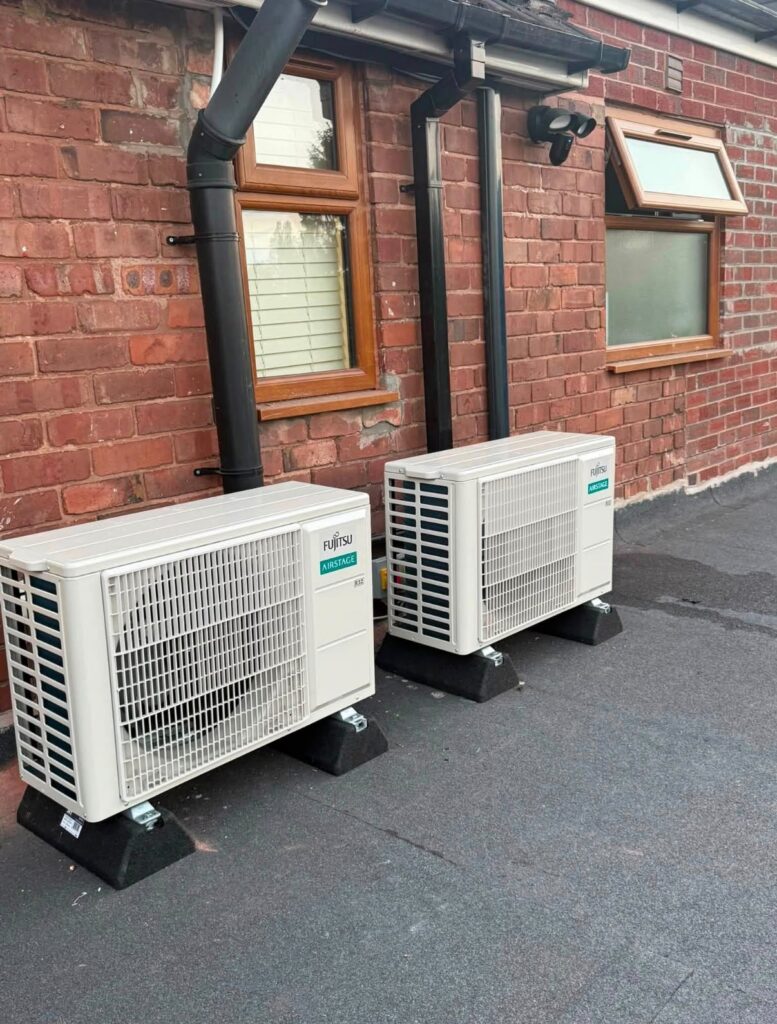
Can an Electrician Install an Air Conditioning Unit?
An electrician may be involved in an air conditioning installation because the system requires an electrical supply.
However, being a qualified electrician does not automatically make someone qualified to carry out refrigerant work.
An electrician may install or modify the electrical circuit required for an air conditioning system where this work falls within their competence and the applicable electrical requirements.
The air conditioning engineer can then complete the refrigeration work, pipework, drainage and system commissioning.
Some professionals have both electrical and refrigeration qualifications. In that situation, one person or company may be able to complete more of the project.
Before accepting a quote, ask exactly what the installer is qualified to do.
If refrigerant handling is required, make sure the person carrying out that work has appropriate F Gas qualifications.
Why Refrigeration Engineers Install Air Conditioning
Air conditioning and refrigeration work on closely related principles.
Most split air conditioning systems move heat using a refrigeration cycle. Refrigerant circulates through the system, changing pressure and temperature as heat is transferred.
This is why a refrigeration engineer is often the right professional for air conditioning work.
A refrigeration engineer should understand how compressors, condensers, evaporators, expansion devices, refrigerant pipework and controls work together.
That knowledge becomes particularly useful when something does not operate correctly.
An installer should not only know how to mount an air conditioner. They should understand why the system works and how to diagnose problems.
That experience can help when checking refrigerant pressures, airflow, temperatures, drainage and electrical controls.
For property owners asking who would install an air conditioning unit, looking for a properly trained refrigeration or air conditioning professional is therefore a sensible starting point.
What Qualifications Should an Installer Have?
Qualifications are one of the most important things to check before choosing an installer.
In Great Britain, people working on equipment containing certain fluorinated gases must have the appropriate qualifications for the work they perform.
For refrigeration, air conditioning and heat pump systems, different qualification categories allow engineers to perform different types of work.
A Category 1 qualification allows an engineer to carry out the full range of relevant activities covered by that qualification.
Category 2 has restrictions based on the quantity of F Gas within the equipment.
The exact qualification required depends on the equipment and the work being completed.
The important point for customers is simple.
If your air conditioning installation involves refrigerant, ask the company whether the engineer carrying out that part of the work is appropriately F Gas qualified.
Businesses carrying out certain work on stationary air conditioning systems containing F Gas may also require company certification.
Do not be uncomfortable asking for proof.
A reputable installer should understand why customers want to confirm qualifications.
You can ask:
- Are your engineers F Gas qualified?
- Does your company hold the certification required for this work?
- Have you installed this type of air conditioner before?
- Will your own engineers complete the refrigerant work?
- Who will commission the system?
These questions can quickly separate experienced air conditioning specialists from general contractors who may not have the required refrigeration knowledge.
How Much Experience Should an Installer Have?
There is no single number of years that automatically makes someone a good air conditioning installer.
Relevant experience matters more.
An engineer who regularly installs the type of equipment you need may be more suitable than someone who has worked in another building trade for many years but rarely works with air conditioning.
Ask whether the installer has experience with:
- domestic air conditioning
- commercial air conditioning
- split air conditioning systems
- multi room air conditioning
- office cooling
- retail air conditioning
- restaurant air conditioning
- system replacements
- air conditioning repairs
- air conditioning servicing
- You can also ask how often they install systems similar to yours.
For a commercial property, it can be useful to choose a company that already works with businesses and understands the importance of access, operating hours, disruption and future maintenance.
For homes, experience with neat pipe routes, outdoor unit positioning, drainage and noise considerations can be especially important.
When deciding who would install an air conditioning unit, check both qualifications and practical experience.
You want an installer who understands the equipment as well as the property where it will be used.
Should the Installer Survey the Property First?
In many cases, yes.
A property survey allows the installer to understand the space before recommending equipment.
Choosing an air conditioner from room size alone can miss important information.
A professional survey may consider:
- Room dimensions
- Ceiling height
- Window size
- Window direction
- Insulation
- Number of occupants
- Lighting
- Computers and other equipment
- Kitchen appliances
- Hours of use
- Available outdoor space
- Pipe routes
- Drainage options
- Electrical supply
- Access for installation
- Access for future servicing
For commercial buildings, the engineer may also need to consider occupancy changes throughout the day and heat produced by equipment.
For example, an office with twenty computers may have a different cooling requirement from an empty room of exactly the same size.
A restaurant or commercial kitchen may create even more heat.
A survey also helps identify where the outdoor unit can be positioned safely without creating unnecessary problems with noise, airflow or future maintenance.
This is why a survey should be an important part of deciding who would install an air conditioning unit.
The cheapest quote may not be the best quote if it was prepared without properly understanding the property.
How the Correct Air Conditioner Size Is Chosen
Air conditioner size should be based on the cooling or heating requirement of the space.
A unit that is too small may struggle to reach the required temperature and may operate for long periods.
A unit that is much larger than necessary may also be a poor choice because system performance depends on more than simply choosing the biggest unit available.
A professional installer should assess the expected heat load.
Factors can include room size, windows, insulation, people, equipment, sunlight and how the room is used.
This is especially important for commercial air conditioning.
An office, shop, restaurant and server room can all have very different cooling loads even when their floor areas are similar.
The engineer should also consider manufacturer specifications and the layout of the building.
Do not choose an air conditioning unit simply because another property nearby uses the same model.
The right system should suit your own space.
This is one area where using an experienced air conditioning engineer can make a significant difference.
What Should Be Included in the Installation Service?
Before agreeing to an installation, make sure you understand exactly what the quotation includes.
A professional air conditioning installation may include the equipment, mounting brackets, refrigerant pipework, drainage, electrical connections within the agreed scope, controls, commissioning and basic user guidance.
However, every project is different.
Some properties need longer pipe runs. Others require specialist access equipment, additional electrical work, pumps for condensate drainage or building work.
Your quotation should explain what is included.
It should also make clear whether VAT, additional materials or access costs are included where applicable.
The installer should discuss the final position of the equipment before installation starts.
For the indoor unit, this means considering airflow, appearance and access for servicing.
For the outdoor unit, the engineer should consider airflow around the equipment, safe mounting, noise, access and pipe routes.
After installation, the system should be tested and commissioned.
The customer should then be shown how to operate the main controls.
For more information about new systems, read our air conditioning installation Birmingham service information.
Questions to Ask Before Accepting a Quote
If you are still asking who would install an air conditioning unit, the questions you ask before accepting a quote can help you make a better decision.
Ask the installer:
- What air conditioning system do you recommend and why?
- Have you surveyed the property?
- Are the engineers completing the refrigerant work F Gas qualified?
- Does the business hold the appropriate company certification?
- Is the air conditioner correctly sized for this room?
- Where will the indoor unit be installed?
- Where will the outdoor unit be positioned?
- How will the condensate water drain?
- Where will the refrigerant pipes run?
- What electrical work is required?
- Is all labour included in the quote?
- Are materials included?
- Will the system be tested and commissioned?
- What manufacturer warranty applies?
- What workmanship support is provided?
- What servicing will the system need?
- Can your company provide future maintenance and repairs?
The answers should be clear.
Be cautious if the installer avoids technical questions, gives vague answers or refuses to explain what is included in the quotation.
Warning Signs When Choosing an Installer
Price matters, but it should not be the only factor.
Very cheap air conditioning installation can become expensive if the system is badly positioned, incorrectly sized or poorly commissioned.
One warning sign is an installer who recommends equipment without asking anything about the property.
Another is someone who cannot explain their qualifications.
You should also be cautious if there is no clear written quotation.
The quote should explain the equipment being supplied and the work being completed.
Other warning signs include poor communication, unclear warranty information, no discussion about drainage and no plan for future servicing.
Be particularly careful when someone says refrigerant work does not require specialist knowledge.
For relevant F Gas equipment, the rules around qualifications and certification should be taken seriously.
A professional installer should also have the correct tools for installation and commissioning rather than relying on guesswork.
When deciding who would install an air conditioning unit, choose someone who can explain both the work and the reason behind it.
What Aftercare Should an Installer Provide?
Air conditioning should not be treated as equipment that is installed and then forgotten.
Regular inspection and servicing can help identify problems before they develop into larger faults.
Filters may need cleaning. Indoor and outdoor coils can collect dirt. Drainage systems can become blocked. Electrical components and system performance may need to be checked.
The correct maintenance schedule depends on the equipment, usage and operating environment.
Commercial systems that operate for long hours may need more attention than a unit that is only occasionally used in a bedroom.
After installation, ask what maintenance the manufacturer recommends.
It is useful to work with an installer who can provide ongoing air conditioning servicing and air conditioning maintenance.
Birmingham Refrigeration & Air Conditioning provides installation as well as servicing and maintenance, allowing customers to use one company throughout the life of the system.
If your existing unit has stopped cooling correctly, is leaking water or making unusual noises, our air conditioning repairs and servicing Birmingham service can help identify the cause.
For businesses requiring planned equipment care, our refrigeration and AC maintenance service provides ongoing support for suitable systems.
Who Installs Air Conditioning in Birmingham?
If you are based in Birmingham and wondering who would install an air conditioning unit, look for a local company that works specifically with refrigeration and air conditioning.
Birmingham Refrigeration & Air Conditioning provides air conditioning installation in Birmingham for residential and commercial customers.
Our work covers new installations, replacements, servicing, maintenance and repairs.
Being based in Birmingham also means our team understands the different types of properties found across the city and surrounding West Midlands.
Air conditioning requirements can vary significantly.
A bedroom in a residential property does not have the same cooling demand as a busy office.
A restaurant may have heat from cooking equipment.
A shop may have customers entering throughout the day.
A commercial workspace may contain computers and other equipment producing continuous heat.
The system should therefore be selected according to the property rather than using one standard solution for every customer.
Birmingham Refrigeration & Air Conditioning can assess the property, discuss the intended use of the space and recommend an appropriate air conditioning solution.
You can also read our Air Conditioning Birmingham service page for more information about installation, servicing, maintenance and repairs across Birmingham and surrounding areas.
Why Local Experience Matters in Birmingham
Choosing an installer familiar with Birmingham can make planning easier.
The city contains a mixture of residential homes, offices, retail premises, restaurants, hotels, warehouses and other commercial buildings.
Each building can present different installation challenges.
Older properties may have limited routes for pipework.
Busy commercial premises may need work planned around trading hours.
Some properties may have restricted space around the outside of the building.
Others may need careful outdoor unit positioning because of nearby rooms or neighbouring properties.
A local air conditioning specialist in Birmingham should consider these practical issues during the survey.
This helps avoid unnecessary changes once installation work has started.
It can also make future servicing easier because the equipment has been positioned with maintenance access in mind.
Why the Installer Matters as Much as the Air Conditioner
People often spend a lot of time comparing air conditioning brands.
Brand and equipment quality matter, but installation quality matters too.
A good system can still perform poorly if it is badly installed.
Incorrect pipework, poor drainage, weak airflow or unsuitable positioning may create problems even when the equipment itself is reliable.
The installer should therefore be considered part of the investment.
When researching who would install an air conditioning unit, do not simply ask what brand they supply.
Ask how they survey, install, test and commission the equipment.
Ask what happens if the system needs attention later.
A company that provides installation, servicing, maintenance and repairs can continue supporting the system after the original installation.
Frequently Asked Questions
Who is qualified to install air conditioning?
A trained air conditioning engineer or refrigeration engineer is normally the appropriate professional. When work involves F Gas refrigerant, the engineer must hold the relevant qualification for the work being carried out.
Who would install an air conditioning unit in a house?
If you are asking who would install an air conditioning unit in a home, look for a qualified domestic air conditioning installer with experience in split systems and residential properties.
They should assess the room before recommending the unit.
Can an electrician install air conditioning?
An electrician can complete electrical work that falls within their competence, but electrical qualifications alone do not automatically allow someone to carry out refrigerant work.
The refrigerant side should be completed by someone with the appropriate refrigeration and F Gas qualifications where required.
Can a builder fit an air conditioning unit?
A builder may help with structural preparation or making good after installation, but refrigerant work should be carried out by an appropriately qualified professional.
Does an air conditioning installer need F Gas qualifications?
If the engineer is carrying out work on equipment containing F Gas that falls within the regulated activities, the relevant qualification is required.
The exact qualification depends on the activity and the equipment.
Should I get a property survey before installation?
A survey is strongly recommended for most fixed air conditioning installations.
It helps the engineer choose the right capacity, equipment position, pipe route, drainage method and installation approach.
How does an installer choose the right size air conditioner?
The engineer considers the cooling load of the space.
This can include room dimensions, windows, insulation, occupancy, sunlight and heat producing equipment.
What should an air conditioning quote include?
A quote should clearly explain the equipment, labour and installation work included.
Ask about pipework, drainage, electrical requirements, commissioning, warranties and any possible additional costs.
Who services an air conditioner after installation?
An air conditioning engineer can normally provide servicing and maintenance.
Using a company that also offers installation, repairs and maintenance can make ongoing system care easier.
Who would install an air conditioning unit in Birmingham?
For customers asking who would install an air conditioning unit in Birmingham, Birmingham Refrigeration & Air Conditioning provides professional installation for suitable domestic and commercial properties across Birmingham and surrounding areas.
The team can assess the property, recommend a suitable system, complete the installation and provide servicing and maintenance afterwards.
If you are trying to decide who would install an air conditioning unit, start with qualifications, relevant experience and the quality of the property survey.
A professional installer should understand refrigeration, electrical requirements, drainage, pipework, airflow, system sizing and commissioning.
They should also be willing to explain what they recommend and why.
Do not choose an installer based only on the lowest quotation.
Look at what the quote includes, whether the installer is appropriately qualified, whether the system has been properly sized and what support will be available after installation.
For homes and businesses across Birmingham, Birmingham Refrigeration & Air Conditioning provides professional air conditioning installation, repairs, servicing and maintenance.
If you are considering a new air conditioning system, arrange a property assessment first so the equipment and installation can be planned around the actual needs of your space.