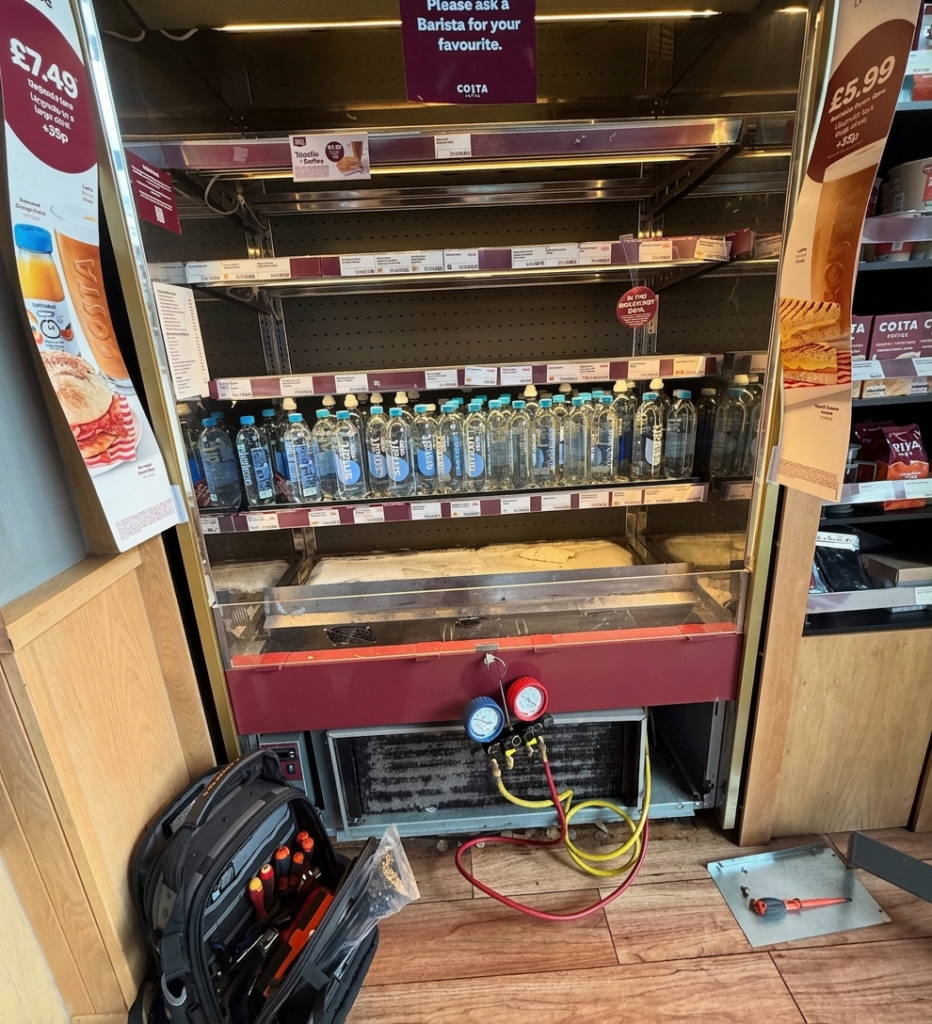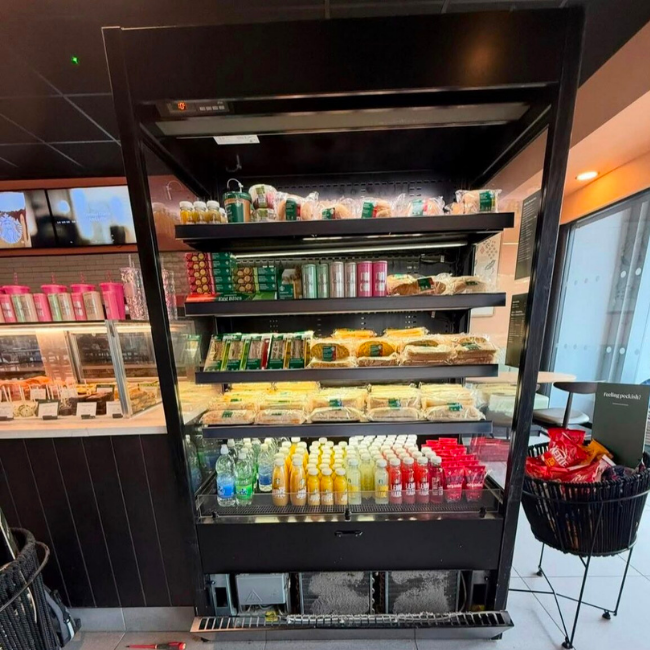



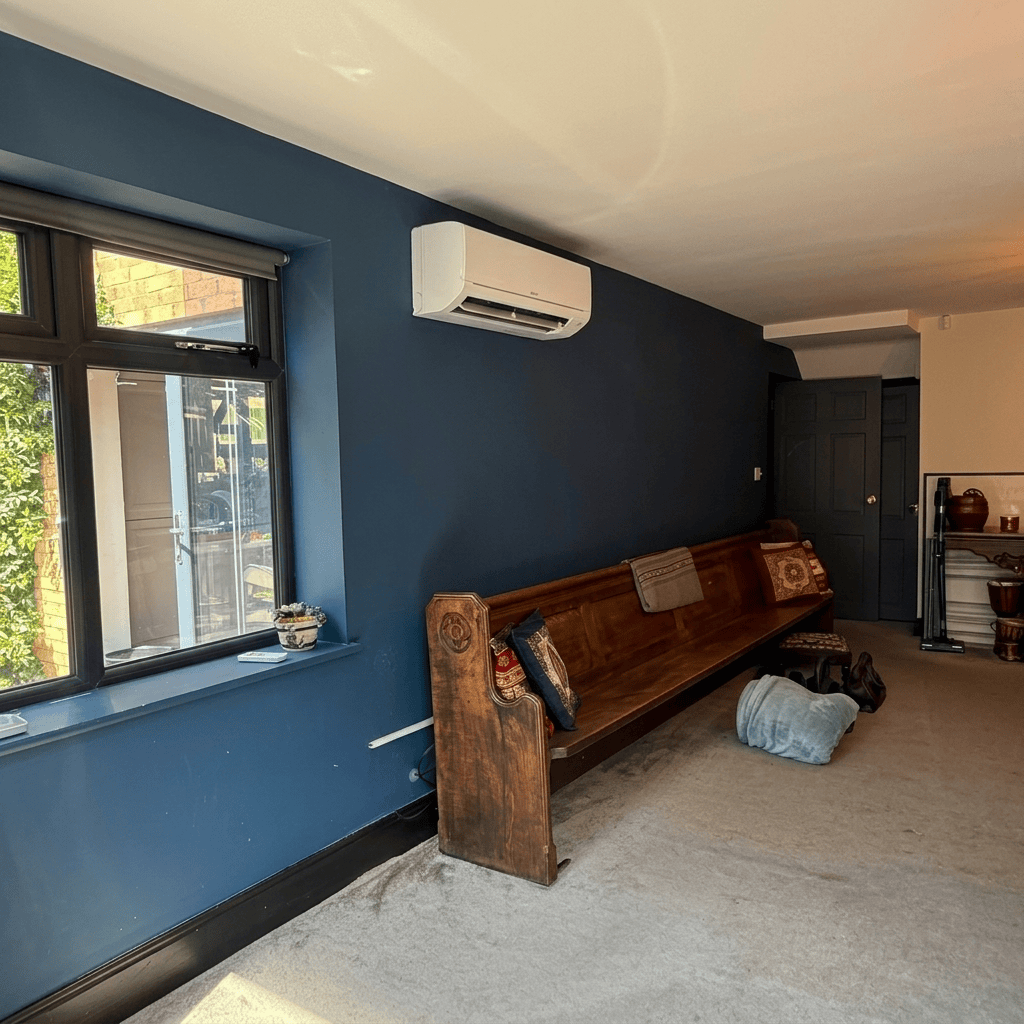
A warm bedroom, stuffy office or uncomfortable shop can make everyday life harder. Air conditioning can help, but the result depends on choosing suitable equipment and installing it correctly.
If you are wondering how to install an air conditioning unit, the process starts with a room assessment. An installer calculates the cooling requirement, chooses suitable indoor and outdoor positions, plans drainage and electrical work, fits the equipment and tests its operation.
A portable air conditioner may only need the setup described in its manual. A fixed split system involves refrigerant pipework, electrical connections and specialist testing. In the UK, work involving F gas refrigerants requires the appropriate qualifications. You can check the requirements through the government guidance on F gas qualifications.
For local property owners, Birmingham Refrigeration & Air Conditioning provides a starting point for discussing air conditioning installation in Birmingham.
This guide explains the decisions involved and what to expect when a professional installs your system.
How to Install an Air Conditioning Unit
Understanding how to install an air conditioning unit helps you prepare your property and compare installation proposals.
For a typical split system, the work follows this order:
- Assess the room and calculate its cooling needs.
- Select a suitable system and capacity.
- Agree on indoor and outdoor unit positions.
- Plan refrigerant pipes, drainage and the electrical supply.
- Prepare the work area and check proposed drilling locations.
- Fit the indoor and outdoor equipment.
- Complete the specialist connections.
- Test the system and explain the controls.
The details vary between models and properties. A bedroom installation in a terraced house will have different access and routing needs from a ceiling system in a commercial office.
Ask for a written proposal showing the equipment, installation scope and any work that another contractor must complete.
Deciding Which Room Needs Air Conditioning
Start with the room that causes the greatest discomfort.
A bedroom that stays warm overnight may be your priority. For someone working from home, it could be an office with computers and afternoon sun. A business may need to improve comfort in a reception area or customer space.
Before the survey, note:
- When the room becomes warm.
- How many people normally use it.
- Whether sunlight falls directly through the windows.
- Which appliances produce heat.
- Whether doors stay open during use.
- Whether you also want heating.
These details help explain how the space behaves throughout the day.
When planning how to install an air conditioning unit, avoid assuming that one unit in a hallway will cool every adjoining room evenly. Doorways, room layouts and closed doors affect air movement.
If several rooms need cooling, ask the installer to compare individual systems with a suitable arrangement serving multiple rooms.
Choosing the Right Type of Air Conditioner
The right system depends on the building, available space and how often you expect to use it.
Portable Air Conditioners
A portable unit can suit temporary cooling needs. Most require a hose to discharge warm air outdoors through an appropriate window fitting.
Check the manual for ventilation, electrical supply and water collection requirements. Position the appliance securely and keep its air openings clear.
A portable unit is a separate option from a professionally fitted split system.
Wall Mounted Split Systems
A wall mounted split system has an indoor unit connected to an outdoor unit.
This arrangement is worth discussing when you want a permanent installation for a bedroom, living room or office. The survey should establish whether suitable mounting positions and connecting routes are available.
Systems Serving Several Rooms
A multi split arrangement connects several compatible indoor units to one outdoor unit.
Ask how the proposed system handles simultaneous demand. Also check whether the indoor units can operate in different modes at the same time, since this depends on the equipment.
Ceiling and Ducted Systems
Ceiling cassettes and ducted systems may suit some offices, shops or larger properties.
They require careful checks of ceiling space, access and distribution routes. Discuss these options early if building or refurbishment work is planned.
For general background, Wikipedia’s explanation of air conditioning describes its purpose and common system types.
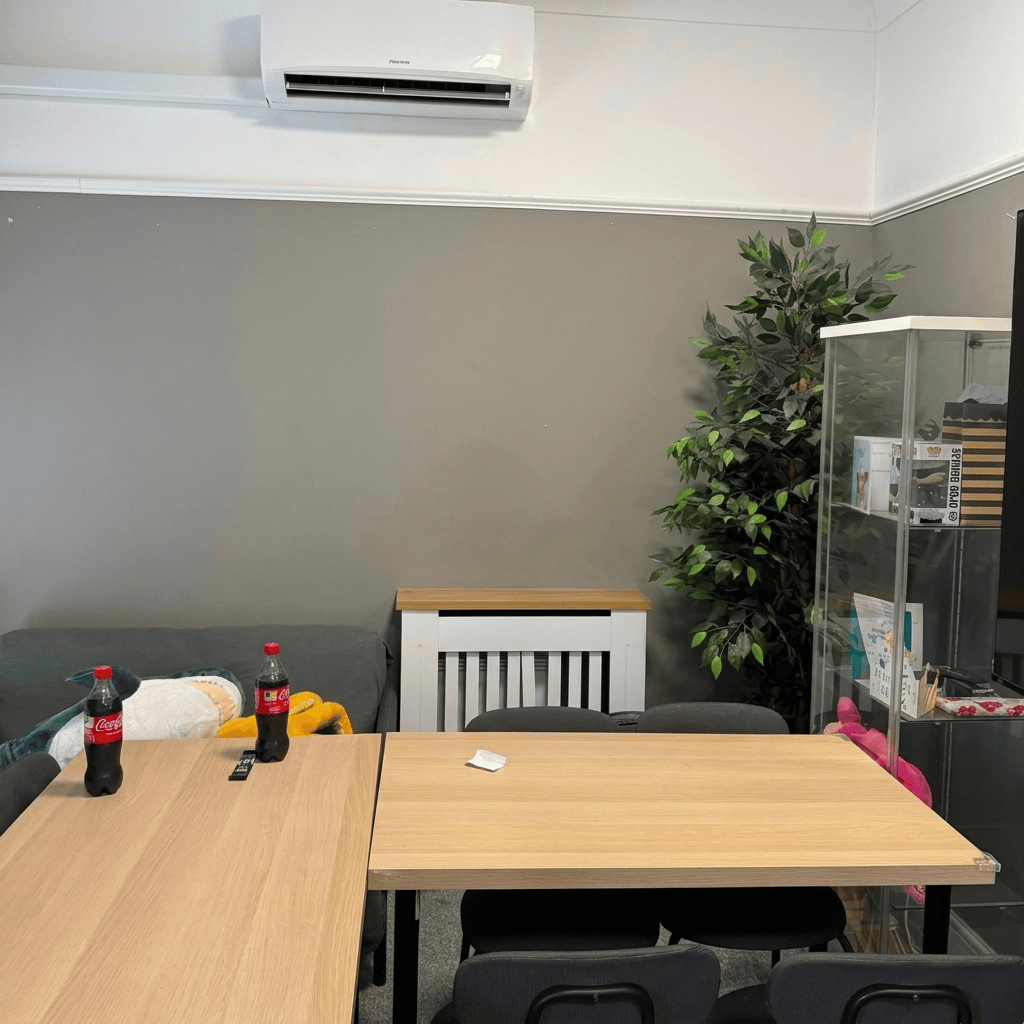
Choosing the Correct Air Conditioning Capacity
Choosing capacity is one of the most important parts of how to install an air conditioning unit.
The unit must suit the heat entering and building up inside the room. Floor area matters, but it does not tell the whole story.
The assessment should consider ceiling height, glazing, insulation, sunlight, occupancy and equipment. A shaded bedroom and a sunny office can need different capacities even when their floor areas match. Daikin’s air conditioner size guide explains why room conditions matter when selecting equipment.
Ask your installer:
- What cooling capacity does the room need?
- Which room conditions were included in the calculation?
- Is the proposed figure cooling output or electrical input?
- How well can the equipment adjust to lower demand?
- Has heating performance also been considered?
A larger model is not automatically the better choice. The aim is equipment that matches the room and its expected use.
Keep a copy of the proposed model details so you can compare quotations on a similar basis.
Finding the Best Indoor Unit Position
The indoor position affects comfort, appearance and future maintenance.
When assessing how to install an air conditioning unit, consider where people sit, sleep and work. Ask the installer to explain the likely airflow direction before you approve the location.
For a wall mounted unit, the proposed wall must provide suitable support. The installation also needs the clearances specified by the manufacturer.
Discuss whether:
- Curtains or furniture could obstruct airflow.
- Air would blow directly onto a bed or desk.
- The filters would be accessible for cleaning.
- Nearby heat sources could affect temperature sensing.
- Pipework and drainage could follow a practical route.
- Servicing would require moving large furniture.
A position that looks tidy may create an awkward drain route or make maintenance difficult.
Ask the installer to mark the proposed location before drilling begins. This gives you a chance to check how it relates to shelves, curtain rails and planned furniture.
Finding the Best Outdoor Unit Position
The outdoor unit needs a suitable location with clear airflow and safe access.
Avoid choosing a position only because it hides the equipment. An enclosed cupboard or cramped corner may be unsuitable.
The survey should establish:
- Whether the base or supporting structure is suitable.
- Which clearances the model requires.
- How an engineer will reach it for servicing.
- Whether vibration could transfer into the building.
- How sound may affect nearby bedrooms and neighbouring properties.
- Where any water produced during heating operation will drain.
When discussing how to install an air conditioning unit, ask to see the complete outdoor arrangement, including supports and pipe entry points.
In Birmingham, a narrow side passage, shared courtyard or flat may limit the available options. Raise access and ownership questions before equipment is ordered.
Confirm any necessary property permissions and planning requirements for the proposed installation. Do not assume that every building or system is treated the same.
Planning Pipework and Drainage
Pipework should be planned before the equipment positions are finalised.
A split system normally needs refrigerant pipes, cables and a route for indoor condensate water. The installer must follow the selected model’s requirements for pipe length, height differences and insulation.
Ask where the route will run and how visible sections will be finished. If surface trunking is proposed, agree on its position before fitting starts.
Drainage deserves particular attention when learning how to install an air conditioning unit.
During cooling, moisture can collect at the indoor unit. That water needs a reliable discharge route. A suitable gravity drain may be possible, while some layouts require a condensate pump.
If a pump is proposed, ask:
- Why is it needed?
- Where will it be fitted?
- Can it be reached for maintenance?
- What sound might it make?
- What happens if it fails?
The installer should also explain how wall openings will be sealed and whether the route crosses any construction requiring specialist treatment.
Preparing the Installation Area
Good preparation helps the installation proceed with fewer interruptions.
Clear furniture and personal belongings from the agreed work area. Remove fragile items and make space along the access route.
Before installation day:
- Confirm parking and equipment access.
- Arrange access to locked rooms or outdoor areas.
- Discuss protection for floors and furniture.
- Keep children and pets away from the work zone.
- Tell the installer about known building defects.
- Identify any restrictions on working hours.
- Agree how dust and waste will be managed.
For a workplace, explain which areas must remain operational. The team may need to coordinate drilling and electrical work around staff or customers.
Knowing how to install an air conditioning unit does not mean you need to prepare holes or electrical connections yourself. Let the responsible trades assess those tasks.
Also confirm who will handle making good, painting or other finishing work. These details should be clear before the job begins.
Installing the Indoor Unit
The installer checks the agreed position, wall condition and proposed route before fitting the indoor equipment.
For a wall mounted system, this usually involves securing a mounting plate and preparing a suitable passage for the connections. The exact method depends on the model and building.
This stage should include checks for concealed services before drilling.
The indoor unit is then mounted according to its instructions, with attention to support, clearances and drainage. Pipe insulation and the drain arrangement must be handled carefully before the installation is closed up.
If you are researching how to install an air conditioning unit, treat this as an explanation of the professional process. Fixing sizes, drilling details and mounting requirements cannot be safely chosen from a general guide.
Before the team moves on, confirm that the unit is in the agreed position and that accessible covers can open without hitting nearby fittings.
Installing the Outdoor Unit
The outdoor equipment is placed on the agreed base or mounted using suitable supports.
The installation needs to account for the equipment’s weight, the supporting structure and the manufacturer’s requirements.
At this stage, the installer should check:
- Stability and secure fixing.
- Required space around the unit.
- Access to connections and service panels.
- Appropriate measures to manage vibration.
- Protection and routing of external pipes.
- Safe access for future maintenance.
Discuss any change from the original proposal before it is carried out. Moving the outdoor unit can affect pipe routes, appearance and servicing access.
Understanding how to install an air conditioning unit also means recognising the importance of the finished surroundings. The equipment should not obstruct a needed walkway, doorway or access point.
External connections and building entry points should be finished appropriately for their location.
Connecting and Testing the System
Fitting the equipment is only part of the installation.
The responsible professionals must complete the refrigerant and electrical work and commission the system according to the manufacturer’s instructions.
Commissioning is the process of checking that the installation is ready to operate correctly. Depending on the system, this includes pressure and leak testing, removing air and moisture from the pipework, and checking the refrigerant arrangement.
These tasks require specialist equipment and competence. They are not steps to attempt using a general online tutorial.
Operational checks should cover drainage, airflow, controls and the available operating modes. The installer should investigate unexpected noise, vibration, leaks or error messages.
When asking how to install an air conditioning unit, include a question about the handover documents. Request the model details, operating instructions, warranty information and relevant installation records.
Ask the team to demonstrate normal operation before they leave.
What to Expect During Installation
Expect some drilling noise, movement of equipment and temporary disruption around the work area.
The duration depends on the number of units, access, pipe routes, electrical preparation and any building work. Ask for an estimate based on your surveyed property.
A useful written quotation should identify:
- The equipment being supplied.
- The agreed indoor and outdoor locations.
- Included pipework and drainage.
- Electrical work and who will complete it.
- Access equipment, where needed.
- Testing and commissioning.
- Waste removal and finishing work.
- Warranty terms and exclusions.
If a quotation leaves an item unclear, ask for it to be explained before accepting it.
At handover, practise using the controller. Learn how to change the mode, temperature, fan speed and timer. Ask which settings suit your normal routine and how to recognise an issue that needs attention.
Looking After the Unit After Installation
Once you understand how to install an air conditioning unit, the next step is learning how to care for it.
Follow the manufacturer’s instructions for routine cleaning and arrange professional maintenance appropriate to the equipment and its use.
Keep Filters Clean
Check accessible filters at the intervals stated in the manual.
Switch the equipment off as instructed before cleaning. Only wash filters that the manufacturer identifies as washable, and follow its drying and refitting directions.
Keep Air Openings Clear
Avoid placing furniture, boxes or curtains across indoor airflow paths.
Check the outdoor surroundings for leaves, stored items and growing plants. Do not reach into the unit or remove protective covers.
Notice Changes Early
Contact an engineer if you notice water leaking indoors, repeated error messages, unusual vibration or a clear drop in performance.
Avoid repeatedly restarting equipment that trips the electrical protection.
Keep Installation Records
Store the manual, model details, warranty information and service records together.
For Birmingham properties needing support, Birmingham Refrigeration & Air Conditioning can be contacted through its website to discuss the system and the attention it requires.
Air Conditioning Unit Installation in Birmingham
A useful installation proposal should respond to your property.
A Birmingham bedroom may need particular attention to airflow and sound. A home office may have heat from computers and afternoon sunlight. A shop may have changing occupancy and frequently opened doors.
These differences should shape the survey and equipment choice.
Birmingham Refrigeration & Air Conditioning is a local option for discussing air conditioning installation in Birmingham. Visit the air conditioning installation page to enquire about your property.
Prepare a short description of the room, its approximate dimensions and when it becomes uncomfortable. Photographs of possible indoor and outdoor locations may help start the conversation, although they do not replace the checks needed on site.
If you want clear advice on how to install an air conditioning unit, request an assessment and a written explanation of the proposed work before choosing equipment.
Frequently Asked Questions
Can I Install an Air Conditioning Unit Myself?
You may be able to set up a portable appliance by following its manual. A fixed split system involves specialist installation work. Tasks involving F gas refrigerants require the appropriate qualifications, and electrical work needs suitable competence.
Which Room Should I Cool First?
Start with the room where heat most affects daily life. Consider bedrooms, regularly used living spaces and home offices. Tell the installer when the discomfort occurs so the assessment reflects actual use.
What Size Air Conditioner Do I Need?
The answer depends on the room’s heat load. Floor area, glazing, sunlight, insulation, people and equipment all matter. Ask for a capacity assessment before selecting a model.
Can One Unit Cool Several Rooms?
It may cool some adjoining space, but even temperatures are not guaranteed. Closed doors and restricted airflow make this harder. Ask about a system designed for the rooms you want to serve.
Does the Indoor Unit Need an Outside Wall?
Not always. Other positions may be possible if suitable pipework and drainage routes can be provided within the equipment’s limits. An outside wall can sometimes make routing simpler.
Does Air Conditioning Bring Fresh Air Indoors?
Many standard split systems mainly recirculate room air. Cooling does not replace ventilation. Ask whether your proposed model has any fresh air function and how the room’s ventilation will be maintained.
Can Air Conditioning Also Heat the Room?
Many systems offer heating as well as cooling. Confirm the proposed model’s functions and ask whether its heating output suits the room and intended conditions.
How Do I Start Planning an Installation?
Write down which room needs cooling, when it becomes warm and what matters most to you. Then contact Birmingham Refrigeration & Air Conditioning to discuss a survey and the next steps for your Birmingham property.