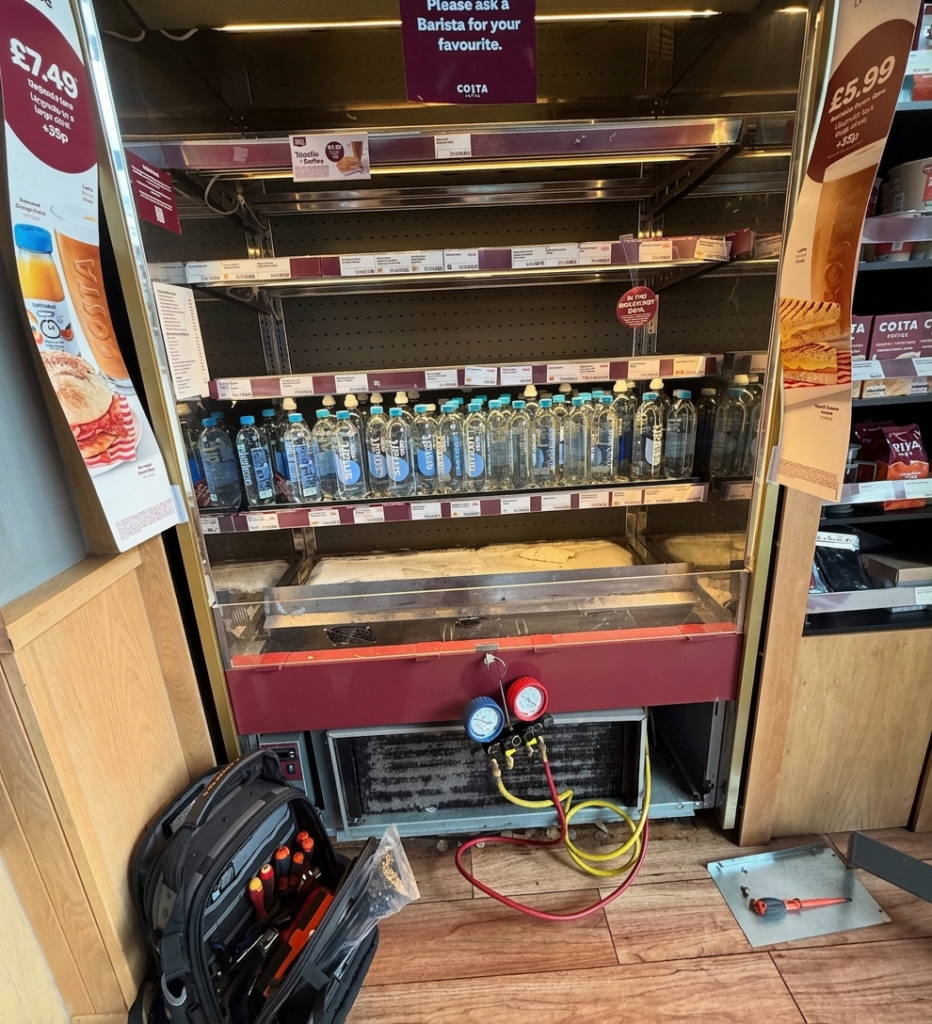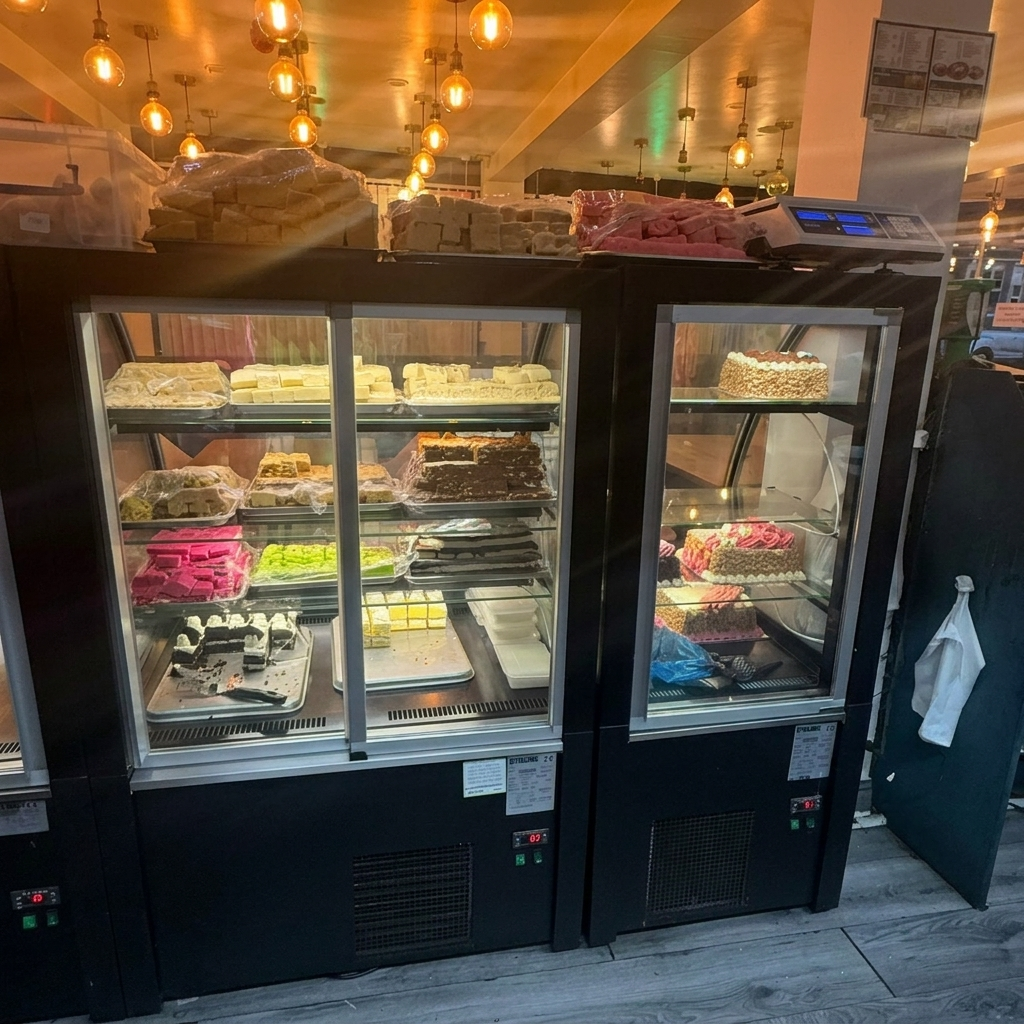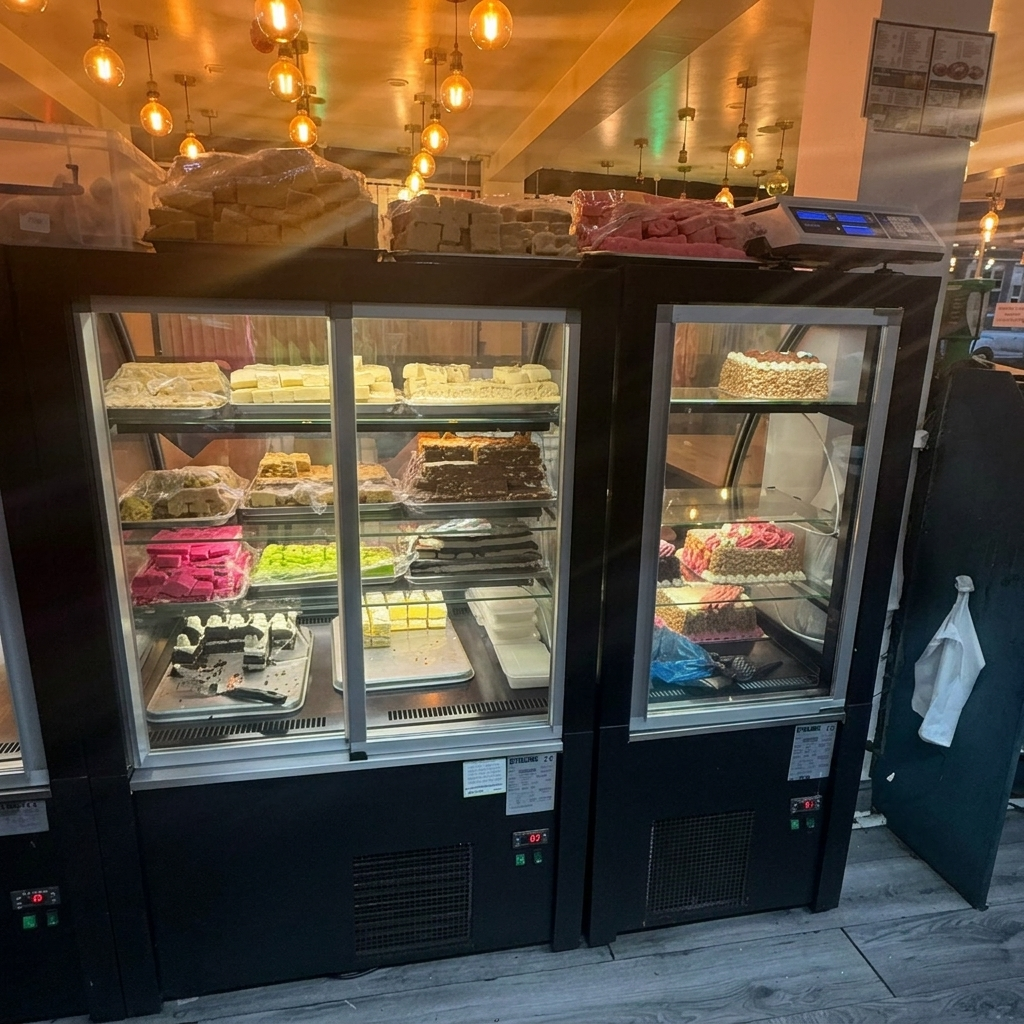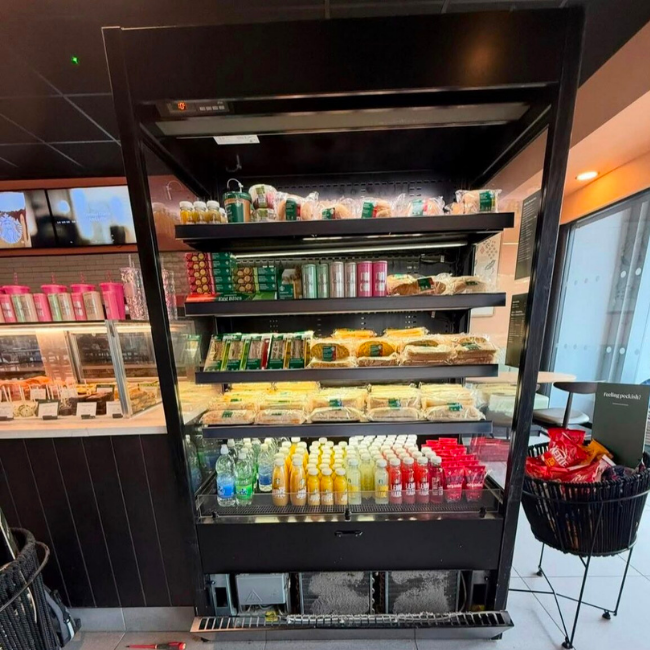



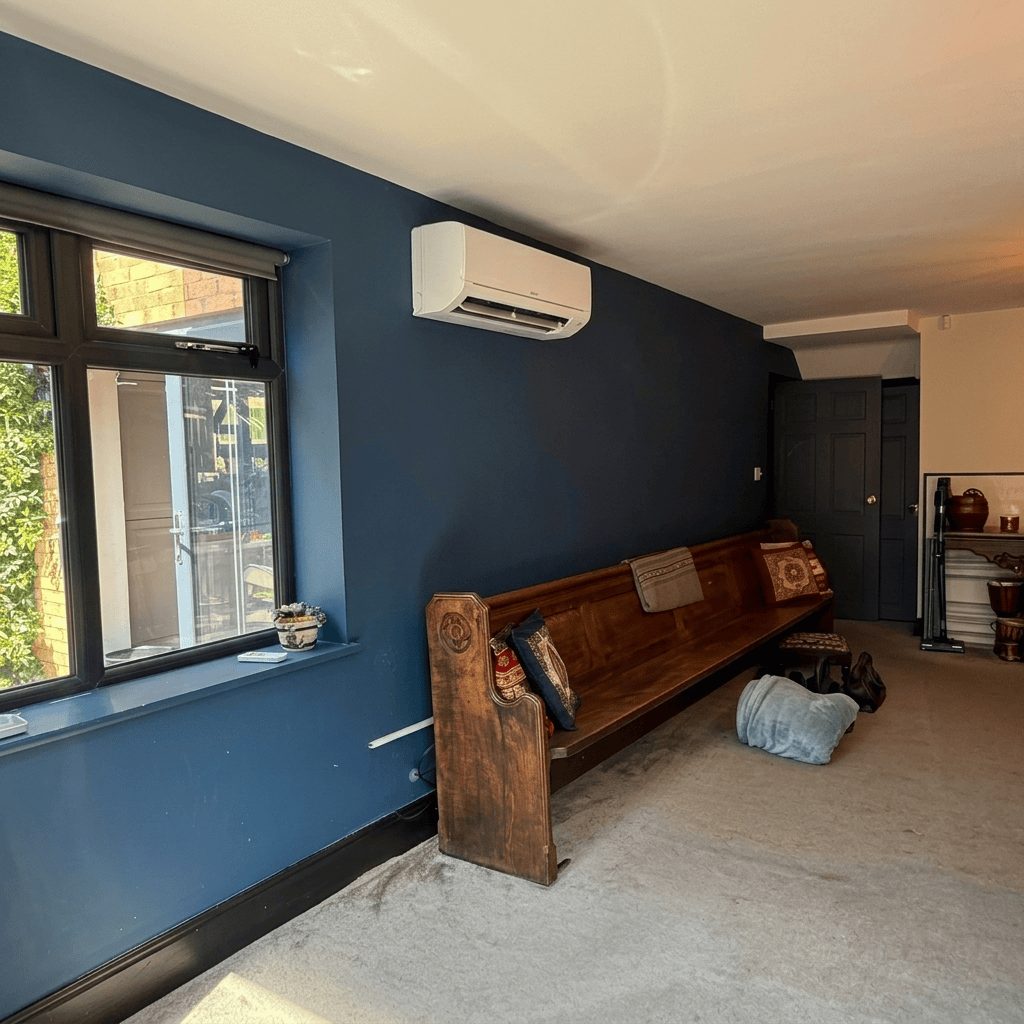
If you are thinking about cooling your home, office, shop or commercial property, you may be asking how do you install air conditioning and what actually happens during the installation process.
Air conditioning installation involves much more than fixing a unit to a wall. A professional installer first checks the property, calculates the cooling requirement, selects suitable positions for the indoor and outdoor units, installs pipework and drainage, completes the electrical connections and then tests the whole system.
The aim is to create a system that cools the space effectively, operates efficiently and remains reliable over time.
For property owners in Birmingham, professional planning is especially important because properties can vary greatly in age, layout, insulation, room size and available outdoor space.
Birmingham Refrigeration & Air Conditioning provides professional air conditioning installation for residential and commercial properties across Birmingham and surrounding areas of the West Midlands. You can learn more about our air conditioning installation service.
How Do You Install Air Conditioning?
The simple answer to how do you install air conditioning is that the process starts with a property assessment.
An installer needs to understand how much cooling the room requires before deciding which system should be fitted. The indoor unit and outdoor unit are then positioned carefully. Refrigerant pipework, condensate drainage and electrical connections are installed between the units.
Once everything is connected, the system is checked for leaks, prepared correctly and commissioned. The engineer then tests the temperature, airflow, drainage, controls and general operation before handing the system over to the customer.
This process can apply to a single room system or a larger air conditioning installation serving several areas of a property.
Air conditioning is designed to remove heat from an indoor space and help control indoor temperature. You can read a broader explanation of the technology on Wikipedia’s air conditioning page.
What Happens Before Air Conditioning Installation?
When people ask how do you install air conditioning, they often focus on the physical installation. In reality, some of the most important work happens before any equipment goes onto the wall.
A professional assessment normally considers the size of the room, ceiling height, number of windows, sunlight, insulation, number of people using the space and heat produced by equipment.
For example, a small bedroom has very different cooling requirements from a busy restaurant or open plan office.
The installer also needs to look at possible locations for the indoor and outdoor equipment. Pipe routes, drainage options, electrical supply and future access for servicing should all be considered.
Good planning helps prevent problems such as poor cooling, unnecessary energy use, excessive noise and difficult maintenance.
This is why choosing a system simply because it looks powerful is not always the best approach. The system should suit the actual property.
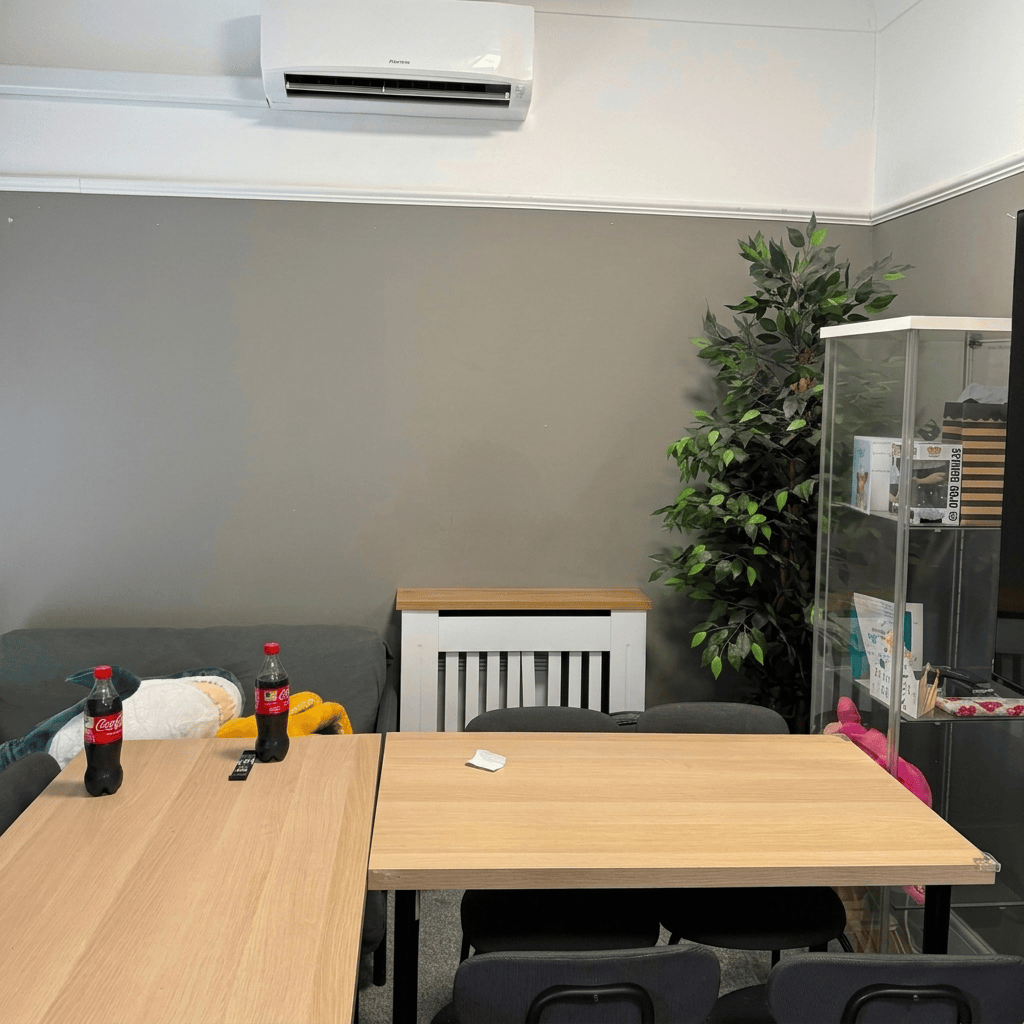
Choosing the Right Air Conditioning System
Choosing suitable equipment is a key part of understanding how do you install air conditioning properly.
There are several types of air conditioning systems available for residential and commercial use.
A single split system is often suitable when one room needs temperature control. It normally has one indoor unit connected to one outdoor unit.
Multi room systems can connect several indoor units and may be useful when different rooms need cooling.
Larger commercial properties may require more complex solutions depending on the number of rooms, operating hours, occupancy and cooling demand.
The correct choice depends on factors such as:
- Room size
- Building layout
- Number of rooms
- Insulation
- Window size
- Sun exposure
- Number of occupants
- How the space is used
- Available outdoor space
- Expected operating hours
A professional survey helps match the system to the property rather than relying on guesswork.
Choosing the Best Position for the Indoor Unit
Indoor unit position can have a major effect on comfort and performance.
The unit should normally be positioned where conditioned air can move freely through the room. Installing it behind furniture, curtains or other obstructions can restrict airflow.
The position should also allow practical access for cleaning, servicing and future repairs.
Installers usually consider where people spend the most time within the room. Directing strong airflow continuously towards a bed, desk or seating position may create discomfort.
A suitable wall also needs enough space for the unit itself and for the pipework and drainage connections.
Appearance matters too. A good installation should provide effective cooling without making the equipment unnecessarily intrusive.
Choosing the Best Position for the Outdoor Unit
Anyone researching how do you install air conditioning should also understand the importance of the outdoor unit.
The outdoor equipment needs suitable airflow around it so that heat can be released effectively.
The installer will look for a stable and practical location that allows future servicing while reducing unnecessary disturbance.
Consideration may be given to neighbouring properties, bedrooms, windows and frequently used outdoor areas.
The distance between the indoor and outdoor units can also affect the installation route. A sensible location can reduce unnecessary pipework and make the finished installation cleaner.
Every property is different, so the best location should be decided after inspecting the building.
How the Indoor Air Conditioning Unit Is Fitted
Once the installation positions have been confirmed, work can begin.
A mounting plate is normally fixed securely to the selected wall. The installer checks that the surface is suitable and that the unit can be supported correctly.
An opening may be required for the connecting pipework, drainage and cables.
The indoor unit is then positioned on its mounting system and checked carefully.
Accuracy is important because incorrect positioning can affect appearance, drainage and system performance.
The installation should look neat, with unnecessary cables and pipework kept out of sight wherever practical.
How Indoor and Outdoor Units Are Connected
One of the main stages in answering how do you install air conditioning is understanding how the indoor and outdoor parts of the system work together.
The units are connected using dedicated refrigerant pipework and electrical communication cables.
These connections allow the cooling system to transfer heat from inside the property to the outside.
Pipework routes need careful planning. The shortest possible route is not always automatically the best route. The installer must consider accessibility, appearance, manufacturer requirements and the structure of the property.
External pipework can often be protected using suitable trunking, helping create a cleaner finished appearance.
Correct connection is essential. Poor workmanship at this stage can result in leaks, reduced performance or system faults later.
Installing Pipework and Drainage
Air conditioning systems can create condensation while cooling indoor air.
That moisture needs somewhere to go.
A condensate drain is therefore installed so water can leave the indoor unit safely.
Where possible, drainage is arranged so water can flow naturally to a suitable discharge point.
The drainage route needs careful attention because incorrect installation can cause water to back up, leak from the indoor unit or damage surrounding decoration.
Refrigerant pipework must also be insulated correctly. Insulation helps prevent unwanted condensation and supports efficient operation.
A tidy pipe and drainage installation can make a significant difference to both reliability and the final appearance of the job.
Electrical Connections for Air Conditioning
Electrical work is another important part of the installation.
Air conditioning equipment requires a suitable electrical supply. The exact requirements depend on the system being installed and the manufacturer’s specifications.
Electrical connections need to be completed correctly so the equipment operates safely and reliably.
This is another reason why the answer to how do you install air conditioning should not simply be viewed as a basic home improvement task.
Air conditioning combines electrical equipment, refrigeration components, pipework, drainage and system controls.
All parts need to work together correctly.
Testing and Commissioning the System
Installing the equipment is not the final step.
Professional commissioning is one of the most important stages of an air conditioning installation.
The engineer needs to check the refrigeration circuit and confirm that the installation is ready to operate.
Connections are inspected and appropriate system checks are completed before normal operation begins.
Once the unit is running, the installer can check:
- Cooling performance
- Airflow
- Indoor temperature
- Outdoor unit operation
- Condensate drainage
- Controls
- Operating sound
- System response
- General installation quality
The customer should also be shown how to use the main controls.
This can include adjusting temperature, changing operating modes and understanding basic filter care.
Proper commissioning gives the installer an opportunity to identify problems before the job is completed.
How Long Does Air Conditioning Installation Take?
Another common question after how do you install air conditioning is how long the work takes.
There is no single answer because installation time depends on the property and system.
A straightforward installation for one room may be completed much faster than a multi room or commercial installation.
Time can be affected by:
- Number of indoor units
- Location of the outdoor unit
- Pipework distance
- Wall construction
- Electrical requirements
- Drainage requirements
- Access
- Property layout
- Size of the system
- Complexity of the installation
A professional installer should assess these factors before work starts.
For larger commercial installations, planning can be especially important because work may need to be arranged around normal business activity.
Does Air Conditioning Installation Create Much Mess?
A professional air conditioning installation should normally be controlled and organised.
Some drilling and access work may be necessary, especially where pipework needs to pass through an external wall.
However, experienced installers plan the route before beginning the work.
Protecting the working area, using suitable tools and cleaning after installation can keep disruption to a minimum.
The amount of work required will depend on the building.
A simple installation with the indoor and outdoor units positioned close together may require relatively little disruption. A larger installation with several units and longer pipe routes will naturally involve more work.
If appearance is important, discuss pipe routes and equipment positions before the installation begins.
Why Professional Installation Matters
People sometimes search how do you install air conditioning because they are considering doing the work themselves.
Air conditioning installation is different from fitting many normal household appliances.
A fixed split air conditioning system involves refrigeration equipment, electrical connections, condensate drainage, pressure considerations and specialist commissioning procedures.
Errors can lead to poor cooling, leaks, water damage, electrical faults, unnecessary energy consumption or equipment failure.
Professional installation also allows the system to be selected according to the property rather than simply purchasing a unit and trying to find somewhere to fit it.
Birmingham Refrigeration & Air Conditioning states that its refrigeration work is carried out by properly qualified engineers and provides installation, repairs and maintenance for residential and commercial customers.
Using an experienced local company also means you have someone to contact if the system later needs servicing or fault diagnosis.
Looking After Air Conditioning After Installation
Understanding how do you install air conditioning is only one part of owning an air conditioning system.
Maintenance is also important.
Filters collect dust during normal operation and need regular attention. Outdoor units should have sufficient airflow and should not become heavily obstructed by leaves, dirt or other material.
Professional servicing can check the condition and performance of the system and identify developing problems before they become more serious.
If your system needs ongoing care, see our refrigeration and air conditioning maintenance service. Birmingham Refrigeration & Air Conditioning provides maintenance alongside installation services across Birmingham and surrounding areas.
If an existing system is not cooling correctly, is making unusual noises or has another performance problem, our air conditioning repairs and servicing service may be more appropriate than replacing the system immediately.
Air Conditioning Installation in Birmingham
For homeowners and businesses asking how do you install air conditioning in Birmingham, local property conditions should form part of the planning process.
Birmingham contains many different types of property, including traditional houses, modern apartments, offices, restaurants, shops, retail units and larger commercial buildings.
The right installation for a small home office will not be the same as the right solution for a restaurant, retail space or large commercial premises.
Birmingham Refrigeration & Air Conditioning works with residential and commercial properties across Birmingham and surrounding areas of the West Midlands. The company provides air conditioning installation based on property size, layout and individual cooling requirements.
A professional survey gives you an opportunity to discuss where units can be installed, which rooms require cooling, where the outdoor equipment can be positioned and what type of system may be appropriate.
This helps create a solution around the building rather than forcing the building to fit a particular system.
If you are planning a new installation, you can contact Birmingham Refrigeration & Air Conditioning to discuss your property and requirements.
Frequently Asked Questions
How do you install air conditioning in a house?
If you are wondering how do you install air conditioning in a house, the process normally begins with a survey of the rooms you want to cool. A suitable system is chosen, locations are selected for the indoor and outdoor equipment, and the necessary pipework, drainage and electrical connections are installed. The system is then commissioned and tested.
Can air conditioning be installed in an existing house?
Yes. Air conditioning can often be installed in existing homes as well as new properties. The available wall space, outdoor unit position, electrical supply, pipe route and drainage options need to be considered before installation.
Where should an indoor air conditioning unit be installed?
The indoor unit should usually be positioned where air can circulate effectively throughout the room. It should not be blocked by furniture or curtains and should remain accessible for cleaning and maintenance.
Where does the outdoor air conditioning unit go?
The outdoor unit needs a suitable position with adequate airflow and practical access. Installers also consider noise, nearby windows, neighbouring properties, servicing access and the route to the indoor unit.
How long does an air conditioning installation take?
Installation time varies. The number of units, pipework route, access, electrical work, building layout and system type can all affect how long the work takes.
Is air conditioning suitable for bedrooms?
Yes, air conditioning can be used in bedrooms when a suitable system is selected and positioned correctly. Unit sizing, airflow direction and noise levels should be considered when planning a bedroom installation.
Can air conditioning be installed in offices and shops?
Yes. Air conditioning is widely used in commercial spaces including offices, shops, restaurants and other business premises. The system needs to be selected according to room size, occupancy, equipment and operating requirements.
Can one air conditioning system cool several rooms?
Some systems can serve several rooms using multiple indoor units. Whether this is suitable depends on the building layout and cooling requirements. A survey can help determine the most practical configuration.
Does air conditioning need maintenance after installation?
Yes. Routine cleaning and professional maintenance can support reliable operation and help identify developing faults. Filters, drainage, components and overall system performance may need checking over time.
Who can install air conditioning in Birmingham?
Property owners should look for an experienced air conditioning and refrigeration company with appropriate technical knowledge and qualifications.
Birmingham Refrigeration & Air Conditioning provides air conditioning installation for homes and commercial premises in Birmingham and surrounding areas. The same company can also provide servicing and maintenance after installation.
Get Professional Air Conditioning Installation in Birmingham
So, how do you install air conditioning properly?
It starts with choosing the correct system and carefully planning where every part will go. The indoor unit, outdoor unit, refrigeration pipework, drainage, electrical connections and controls must all be installed correctly before the system is commissioned and tested.
Good installation is not simply about getting cold air into a room. It is about creating comfortable temperature control while supporting reliable operation, sensible energy use and easier maintenance in the future.
If you are considering air conditioning for a bedroom, living room, home office, shop, restaurant, office or commercial property, Birmingham Refrigeration & Air Conditioning can assess your requirements and help identify a suitable solution.
Choose professional planning from the beginning and give your air conditioning system the best possible start.